



























ISLAMABAD: Pakistan’s gas sector is buckling under a massive circular debt of Rs3.283 trillion, raising alarm bells in parliament over the sustainability of state-run utilities and the growing burden on consumers.

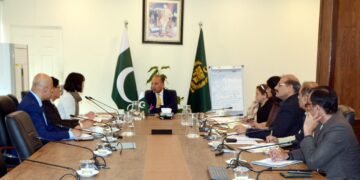
The disclosure was made during a briefing to the National Assembly’s Standing Committee on Petroleum, where lawmakers voiced serious concerns about the financial health of the sector and called for urgent structural reforms, including possible privatisation of the country’s two main gas distribution companies.
Director General Gas Abdul Rasheed Jokhio informed the committee that the circular debt has surged to Rs3.283 trillion, reflecting deep-rooted financial stress across the entire gas supply chain. Legislators warned that without swift corrective measures, the mounting debt and operational inefficiencies could destabilise the industry.
Managing Director of Sui Northern Gas Pipelines Limited, Amir Tufail, said the company had reduced theft and leakage losses — known as unaccounted-for gas (UFG) — to 5.27% in FY25, below targets set by the Oil and Gas Regulatory Authority. In FY24, UFG losses stood at 4.93%.
Despite improvements, SNGPL continues to face annual financial losses of around Rs30 billion, with UFG totalling approximately 30 billion cubic feet (BCF) per year.
An official from Sui Southern Gas Company told the panel that the utility had reduced its losses from 17% to 10%, equivalent to nearly 29 BCF annually. Balochistan was identified as the largest contributor to these leakages.
Lawmakers noted that combined annual losses of SNGPL and SSGC — estimated at around Rs60 billion — remain substantial and are ultimately passed on to consumers through higher tariffs.
Committee member Gul Asghar Khan advocated for privatising the two utilities, arguing that running gas companies is not a core function of the government. Naveed Qamar cautioned that unchecked circular debt could “destroy” the companies if meaningful reforms are delayed.
Committee Chairman Syed Mustafa Mehmood stressed that any move toward privatisation must prevent the creation of monopolies and ensure competition and consumer protection.
Separately, the Petroleum Division requested Rs4.72 billion in development funding for the upcoming fiscal year to support projects including an explosives tracking system, geological surveys, and initiatives by the Hydrocarbon Development Institute of Pakistan.
Officials from the Geological Survey of Pakistan also informed the committee that lithium reserves have been identified in Gilgit-Baltistan and Kotli, offering potential new avenues for mineral exploration even as the gas sector struggles with mounting financial pressures.