












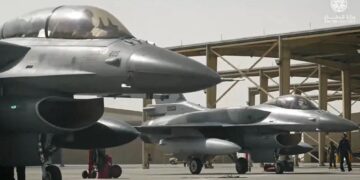






























ISLAMABAD (MNN); The Foreign Office on Thursday said Pakistan’s recent air strikes inside neighbouring Afghanistan were conducted to ensure the safety of Pakistani citizens and to prevent imminent terrorist attacks.

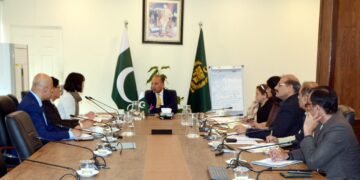
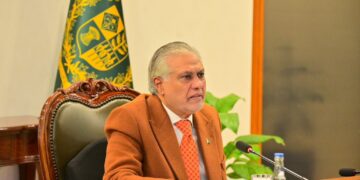
Foreign Office spokesperson Tahir Andrabi made the remarks during his weekly press briefing, responding to questions regarding the cross-border operation.
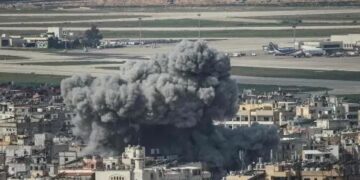
Over the weekend, Pakistan carried out intelligence-based strikes on terrorist camps and hideouts in Afghanistan’s Nangarhar and Paktika provinces. An official said that more than 80 militants were killed in what marked the most extensive military engagement between the two countries since border clashes erupted in October last year.
During the briefing, the spokesperson was asked about reports of civilian casualties, the total number of militants killed, and the exact locations of the targeted camps.
In response, he said the selective targeting of seven terrorist camps and hideouts along the Pakistan-Afghanistan border was aimed primarily at safeguarding Pakistani citizens and preventing imminent attacks, particularly against law enforcement personnel and civilians living in border areas.
Andrabi stressed that the strikes were proportional and based on careful planning and due diligence, and were directed solely at identified terrorist facilities. “We exercised utmost caution to prevent any harm to civilians,” he said.
He also referred to statements by the UN Security Council condemning terrorist attacks against Pakistan, including the February 6 attack on an imambargah in Islamabad. He noted that the UNSC had repeatedly called for holding perpetrators, organisers, sponsors and abettors of terrorism accountable and bringing them to justice, and had urged states to cooperate with Pakistan.
The spokesperson said Pakistan remained committed to peace in the region but would take all necessary measures in exercise of its right to self-defence against terrorist threats emanating from Afghan soil. He reiterated Pakistan’s call for action against militant groups operating freely from Afghanistan.
When asked about the location of the targeted camps, Andrabi referred to the February 21 statement issued by the Ministry of Information and said he had nothing further to add regarding the numbers or sites.
Responding to India’s reaction, including a statement by its Ministry of External Affairs condemning the strikes, the Foreign Office rejected the remarks. Andrabi said the Indian statement vindicated Pakistan’s longstanding position that India continues to aid and abet terrorism in Pakistan through its support for the Balochistan Liberation Army and other militant outfits.
He added that Pakistan possesses concrete evidence of India’s involvement in sponsoring and facilitating terrorism. According to the spokesperson, recent statements issued by the Indian foreign ministry following attacks in Balochistan further reinforced that conclusion.
He said Pakistan had conveyed to international stakeholders that it would respond swiftly and decisively in exercise of its right to self-defence.
On diplomatic engagement, the spokesperson said he was unaware of any structured dialogue currently underway between Pakistan and Afghanistan.
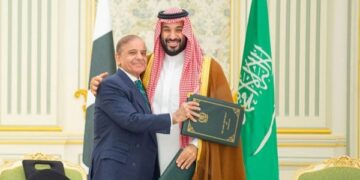
Asked whether Qatar was playing a mediatory role following Prime Minister Shehbaz Sharif’s recent visit to Doha, Andrabi said the matter may have come up in a broader context. Referring to the premier’s meeting with Qatar’s Emir Sheikh Tamim bin Hamad Al Thani, he said the two leaders exchanged views on regional and domestic developments and emphasised dialogue, diplomacy and peaceful resolution of disputes.
“To that extent, we would welcome Qatar’s role in resolving all such issues, including Afghanistan,” he added.