































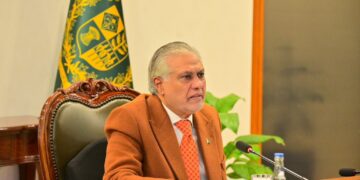
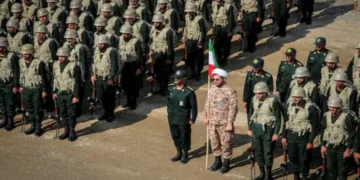









ISLAMABAD (MNN); Prime Minister’s spokesperson for foreign media, Mosharraf Zaidi, said on Tuesday that the Afghan Taliban regime initiated unprovoked firing along the Pakistan-Afghanistan border in the Torkham and Tirah sectors.

In a post on social media platform X, he stated that Pakistan’s security forces responded swiftly and effectively, silencing what he described as Taliban aggression. He warned that any further provocation would be met with an immediate and severe response, adding that Pakistan would continue to safeguard its citizens and protect its territorial integrity.
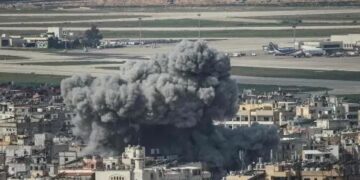
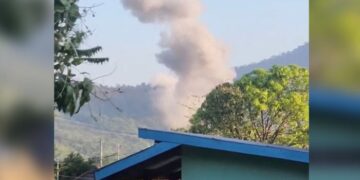
The statement followed Pakistan’s overnight air strikes over the weekend targeting terrorist camps and hideouts in Afghanistan’s Nangarhar and Paktika provinces. An official said more than 80 militants were killed in the operation, marking the most significant military engagement between the two countries since border clashes erupted in October last year.
According to a statement issued by the Ministry of Information in the early hours of Sunday, the strikes were conducted in response to multiple terrorist incidents inside Pakistan, including a suicide bombing at an imambargah in Islamabad and attacks in Bannu and Bajaur.
The ministry said Pakistan possessed conclusive evidence that the attacks were carried out by Khwarij militants under the direction of Afghanistan-based leadership and handlers. In retaliation, Pakistan conducted intelligence-based, precision strikes on seven camps and hideouts belonging to the banned Tehreek-i-Taliban Pakistan (TTP), referred to by the state as Fitna al Khwarij, as well as Islamic State-Khorasan.
The statement added that despite repeated requests for the Afghan Taliban administration to take verifiable steps to prevent the use of Afghan territory by terrorist groups and foreign proxies against Pakistan, no substantive action had been taken.
Terrorist activity in Pakistan has surged since the Afghan Taliban returned to power in Kabul in 2021. Islamabad has consistently urged Kabul to dismantle sanctuaries used by the TTP, but officials say those appeals have not yielded results.
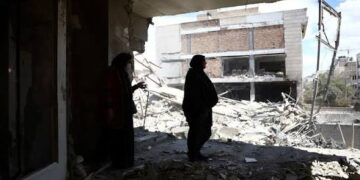
Tensions escalated further after a February 16 vehicle-borne suicide attack on a joint security forces check post in Bajaur near the Afghan border. Militants attempted to breach the Malangi post and detonated an explosives-laden vehicle after an exchange of fire, resulting in the martyrdom of 11 soldiers. A young girl also lost her life, and seven others were injured when a nearby building was damaged.
Investigators identified the suicide bomber as Amad, also known as Qari Abdullah or Abu Zar, allegedly linked to the Afghan Taliban’s special forces from Balkh province. The TTP claimed responsibility for the attack.
On February 21, a lieutenant colonel and a sepoy were martyred in another suicide attack during an intelligence-based operation in Bannu district of Khyber Pakhtunkhwa.
The military’s media wing, Inter-Services Public Relations (ISPR), reiterated that militants were using Afghan soil to launch attacks inside Pakistan, even during the holy month of Ramazan. It asserted that Pakistan would not exercise restraint and would continue operations against those responsible, regardless of their location.
Earlier, Defence Minister Khawaja Asif had stated that Pakistan would not hesitate to carry out strikes inside Afghanistan if cross-border attacks persisted.
In November last year, Taliban spokesperson Zabiullah Mujahid had accused Pakistan of conducting air strikes in Khost, Kunar and Paktika provinces. Pakistan neither confirmed nor denied those reports at the time.
The latest developments come months after intense border clashes that reportedly began on the night of October 11 and 12, 2025, when Afghan Taliban and what Pakistan described as India-sponsored Fitna al Khwarij launched attacks along the border. According to ISPR, 23 Pakistani soldiers were martyred in those clashes, while over 200 Taliban and affiliated militants were killed.