








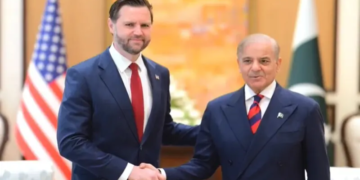


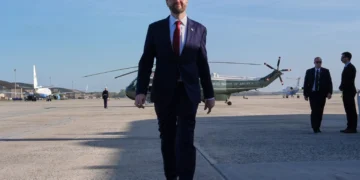


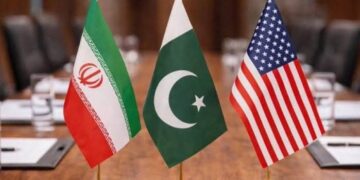





















ISLAMABAD: Pakistan has expressed optimism that the United States and Iran will engage constructively in high-stakes peace negotiations underway in Islamabad, aimed at securing a durable resolution to the ongoing Middle East conflict. A senior US delegation, led by Vice President JD Vance, arrived in the capital on Saturday to participate in the talks.

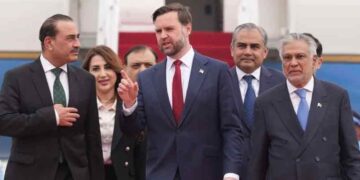
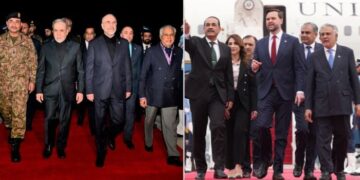
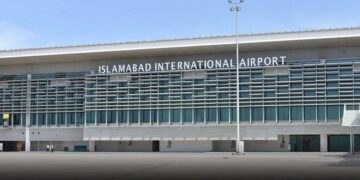
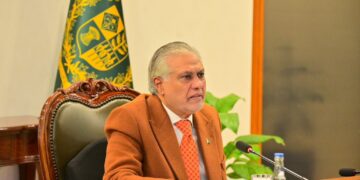
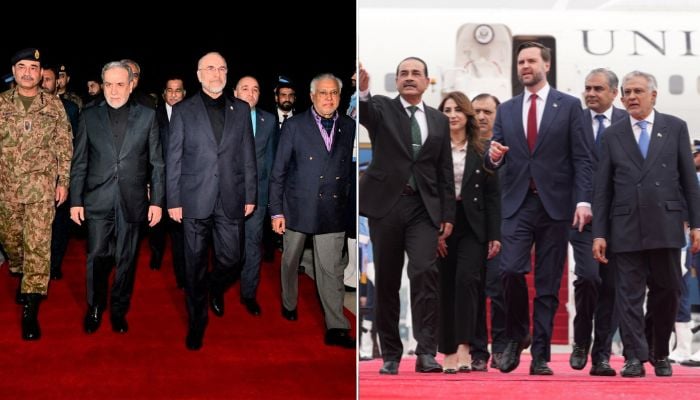
The delegation includes Special Envoy Steve Witkoff and Jared Kushner. They were received at the airport by Deputy Prime Minister and Foreign Minister Ishaq Dar, Chief of Army Staff Syed Asim Munir, and Interior Minister Mohsin Naqvi. Welcoming the US delegation, Dar appreciated Washington’s commitment to global peace and emphasized Pakistan’s continued role as a facilitator of dialogue. He voiced confidence that both sides would approach the negotiations with seriousness and intent.
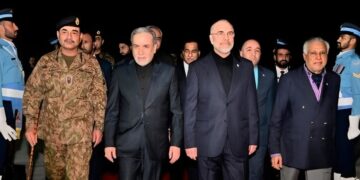
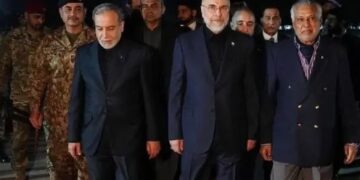
Prime Minister Shehbaz Sharif described the Islamabad talks as a “make-or-break” moment, stressing the importance of turning the current truce into a permanent ceasefire.Earlier, an Iranian delegation headed by Parliament Speaker Mohammad Baqer Ghalibaf also reached Islamabad.
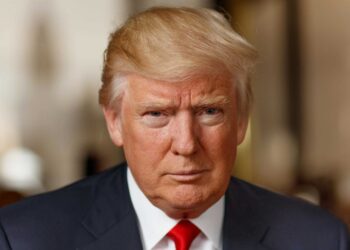
The delegation includes Foreign Minister Abbas Araghchi, who is expected to play a central role in negotiations. Pakistani officials reiterated their expectation of constructive engagement. The talks follow a two-week ceasefire announced by former US President Donald Trump after weeks of intense conflict involving US and Israeli strikes on Iran.
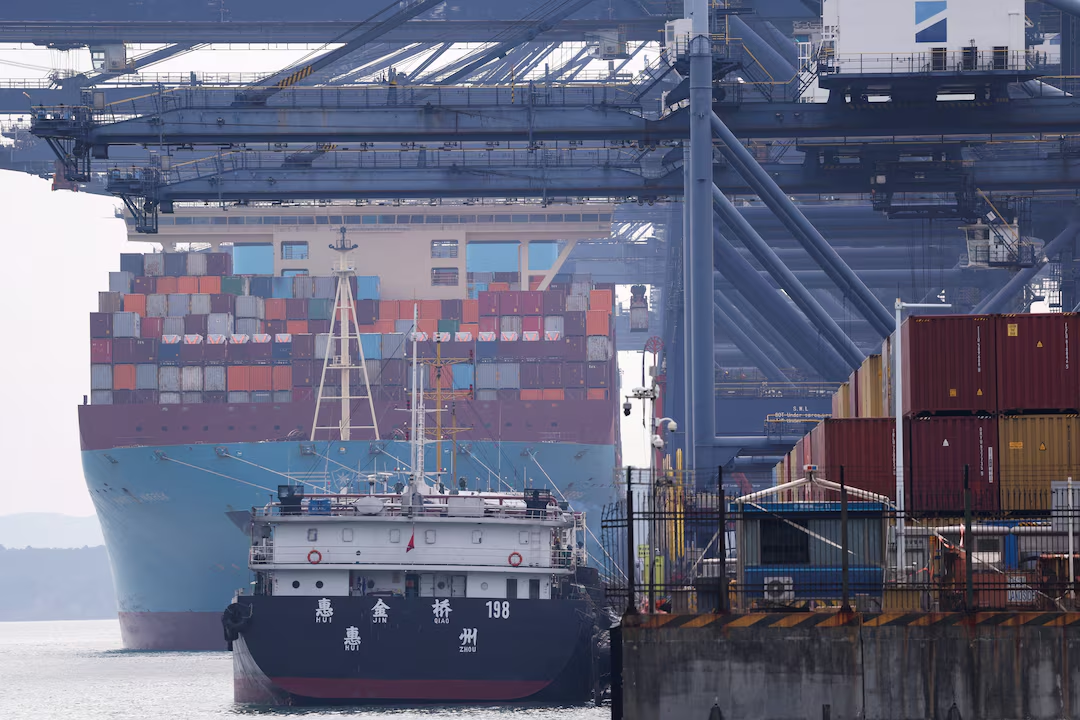
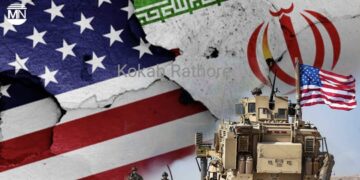
Despite the pause, tensions remain high, particularly around the Strait of Hormuz and ongoing clashes involving Israel and Iran-backed groups in Lebanon. Ghalibaf has urged Washington to honor prior commitments, including easing restrictions on Iranian assets and ensuring a ceasefire in Lebanon, warning that progress depends on mutual trust.
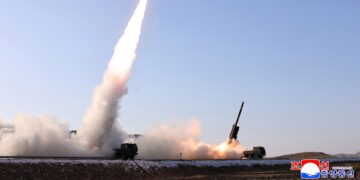
Meanwhile, Vice President Vance expressed cautious optimism but warned against any attempts to derail the process. The conflict, which began on February 28 following coordinated strikes on Iranian leadership and infrastructure, has claimed over 2,000 lives and destabilized the region. Iran responded with retaliatory actions, including disruptions in maritime traffic and attacks on US and Israeli interests.
While a ceasefire was reached on April 8 with Pakistan playing a key mediating role, major disagreements remain. Washington has proposed a 15-point framework focusing on nuclear and missile concerns, sanctions relief, and reopening key shipping routes. Tehran, on the other hand, has put forward a 10-point plan seeking greater control over regional waterways, transit fees, and full sanctions removal.
The international community has welcomed Pakistan’s diplomatic efforts, expressing support for its role in facilitating dialogue and working toward a lasting peace agreement.