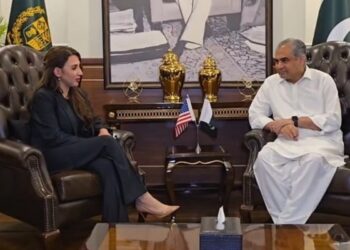












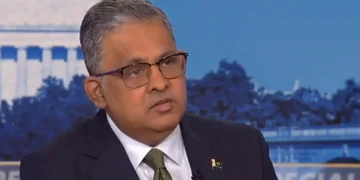
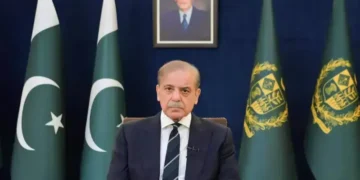

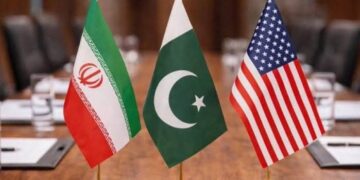


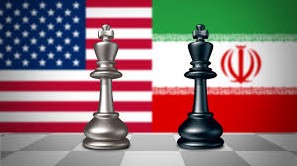

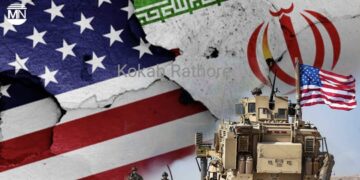









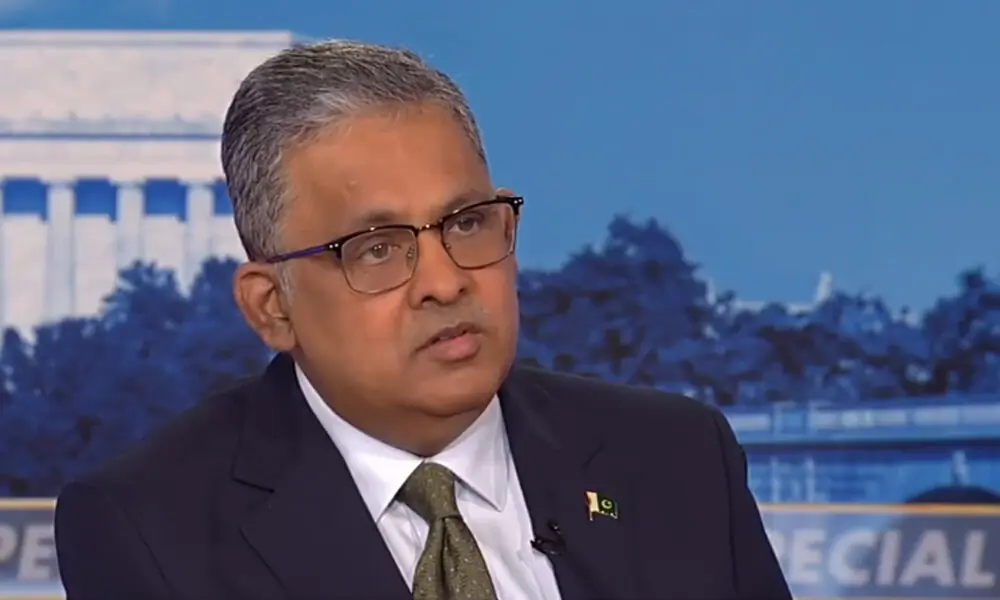

WASHINGTON: Pakistan’s envoy to the United States, Rizwan Saeed Sheikh, has underscored the country’s pivotal diplomatic role in brokering a temporary ceasefire between the United States and Iran, describing it as the outcome of “intense diplomatic efforts” carried out over several weeks.
In an interview with CNN, the ambassador said Pakistan’s success stemmed from trust across all sides, discreet engagement, and sustained consultations. His remarks came as United States announced the dispatch of a high-level delegation, led by Vice President J. D. Vance, to Islamabad for formal negotiations aimed at extending the ceasefire.
China’s Subtle but Crucial Role
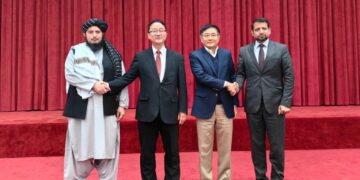
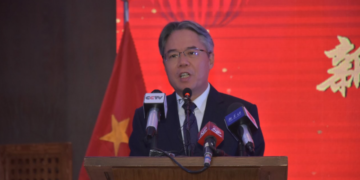
While refraining from detailing specific contributions, Sheikh acknowledged China’s constructive involvement. He noted that Beijing consistently urged restraint and encouraged both sides to pursue diplomacy.
Diplomatic observers believe China played a key role in persuading Iran to engage, offering assurances that the ceasefire would hold—an important condition reportedly sought by Tehran before entering talks.
Pakistan as Facilitator
Sheikh emphasized that Pakistan’s role remains that of a facilitator rather than a principal negotiator.
“Pakistan is just a facilitator, acting in good faith and sincerity,” he said, stressing that confidentiality is essential for progress. He added that shielding negotiations from external pressure allows both sides the space needed to reach meaningful decisions.
Regional Coordination with Gulf States
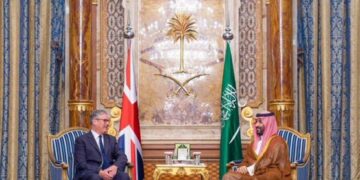
A critical aspect of Islamabad’s diplomatic push involved close coordination with Gulf Cooperation Council countries, particularly Saudi Arabia.
Sheikh highlighted Pakistan’s deep ties with Gulf nations, noting that over 5.5 million Pakistanis reside in the region. He revealed that consultations with Gulf partners were frequent, even during peak tensions, helping maintain regional balance.
US Engagement and Ceasefire Dynamics
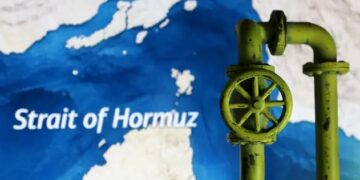
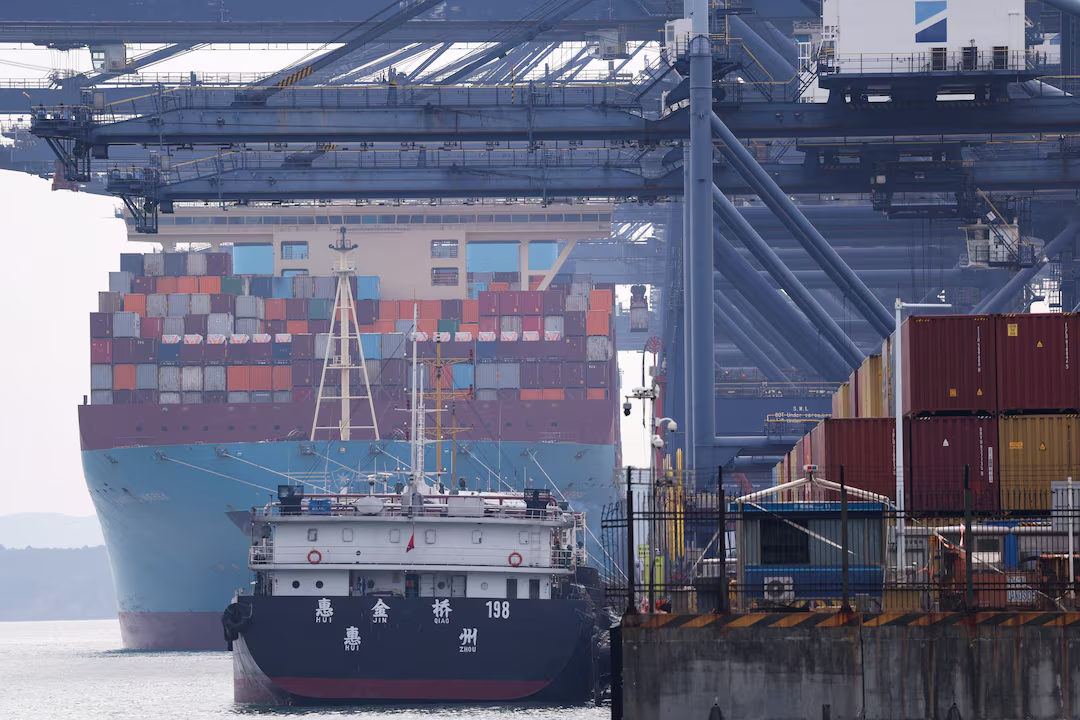
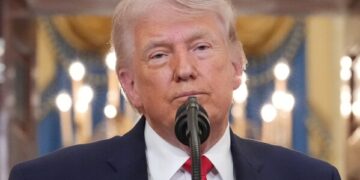
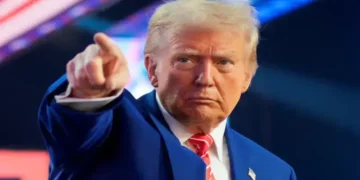
The ceasefire, announced by Donald Trump, came just hours before a deadline for Iran to reopen the strategically vital Strait of Hormuz.
Back-channel diplomacy, supported by Islamabad, played a crucial role in de-escalating tensions that had brought the region to the brink of a broader conflict.
Looking Ahead
Describing the ceasefire as only an initial step, Sheikh noted that the upcoming negotiations will determine the long-term trajectory of peace efforts.
“The substance of future discussions will evolve with time—what is offered and what is guaranteed,” he said, underlining the fluid nature of the process.
Global Impact and Pakistan’s Diplomatic Standing
The temporary truce has already eased global energy concerns and stabilized markets. Pakistan, meanwhile, is positioning itself as a credible mediator capable of bridging divides between rival powers.
As negotiations begin in Islamabad, global attention remains fixed on whether this fragile pause can be transformed into a durable diplomatic breakthrough.