






























































UNSC- Pakistan has cautioned the Taliban regime that it will take “all necessary defensive measures” to safeguard its citizens if Kabul fails to act against terrorist groups operating from Afghan soil.

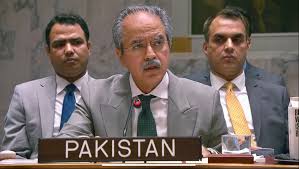
Speaking at a United Nations Security Council (UNSC) session, Pakistan’s Permanent Representative to the UN, Ambassador Asim Iftikhar Ahmad, said Afghanistan has once again become a “safe sanctuary” for terrorist organisations, posing serious security risks for Pakistan and the wider region.
He said groups such as Daesh-K, Al-Qaeda, Tehreek-e-Taliban Pakistan (TTP), East Turkestan Islamic Movement, Balochistan Liberation Army and the Majeed Brigade enjoy safe havens inside Afghanistan, with dozens of camps enabling cross-border infiltration and deadly attacks.
According to the envoy, there is credible evidence of collaboration among these groups through joint training, weapons smuggling and coordinated assaults on Pakistan from Afghan territory. He urged the United Nations Assistance Mission in Afghanistan (UNAMA) to deliver an objective assessment of the border security situation.
Despite multiple rounds of engagement in Doha and Istanbul, he said Pakistan has seen no meaningful action from the Taliban authorities, while terrorist attacks originating from Afghanistan continue to escalate. Nearly 1,200 Pakistanis have been killed this year in attacks linked to Afghan-based networks, he noted, adding that since 2022, more than 214 Afghan militants — including suicide bombers — were neutralised in counterterrorism operations.
Ambassador Iftikhar also reiterated Pakistan’s long-standing call for the dignified and phased repatriation of Afghan refugees, saying Pakistan has hosted millions for over four decades despite limited international support.
Rising Pak-Afghan Tensions
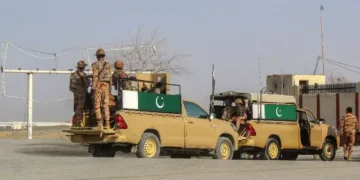
Tensions spiked after Afghan Taliban fighters and affiliated militants launched unprovoked attacks on Pakistani border posts on the night of October 11–12. The clashes left over 200 militants dead while 23 Pakistani soldiers were martyred.
Pakistan responded with “precision strikes” inside Afghanistan, targeting terrorist hideouts in Kandahar and Kabul. A 48-hour ceasefire was announced on October 15 at Kabul’s request, followed by an official ceasefire agreement on October 19 in Qatar, mediated by Doha and Turkiye.
Under the agreement, Afghanistan was required to immediately halt cross-border terrorism, with both sides committing to mechanisms for long-term stability. However, subsequent talks in Turkiye collapsed after Pakistan rejected what it called the Taliban delegation’s “illogical” stance and failure to address Islamabad’s security concerns.
Mediators later convinced both sides to resume dialogue, which resulted in an agreement to uphold the ceasefire — though Pakistan insists concrete action from Kabul is still urgently needed.