





















































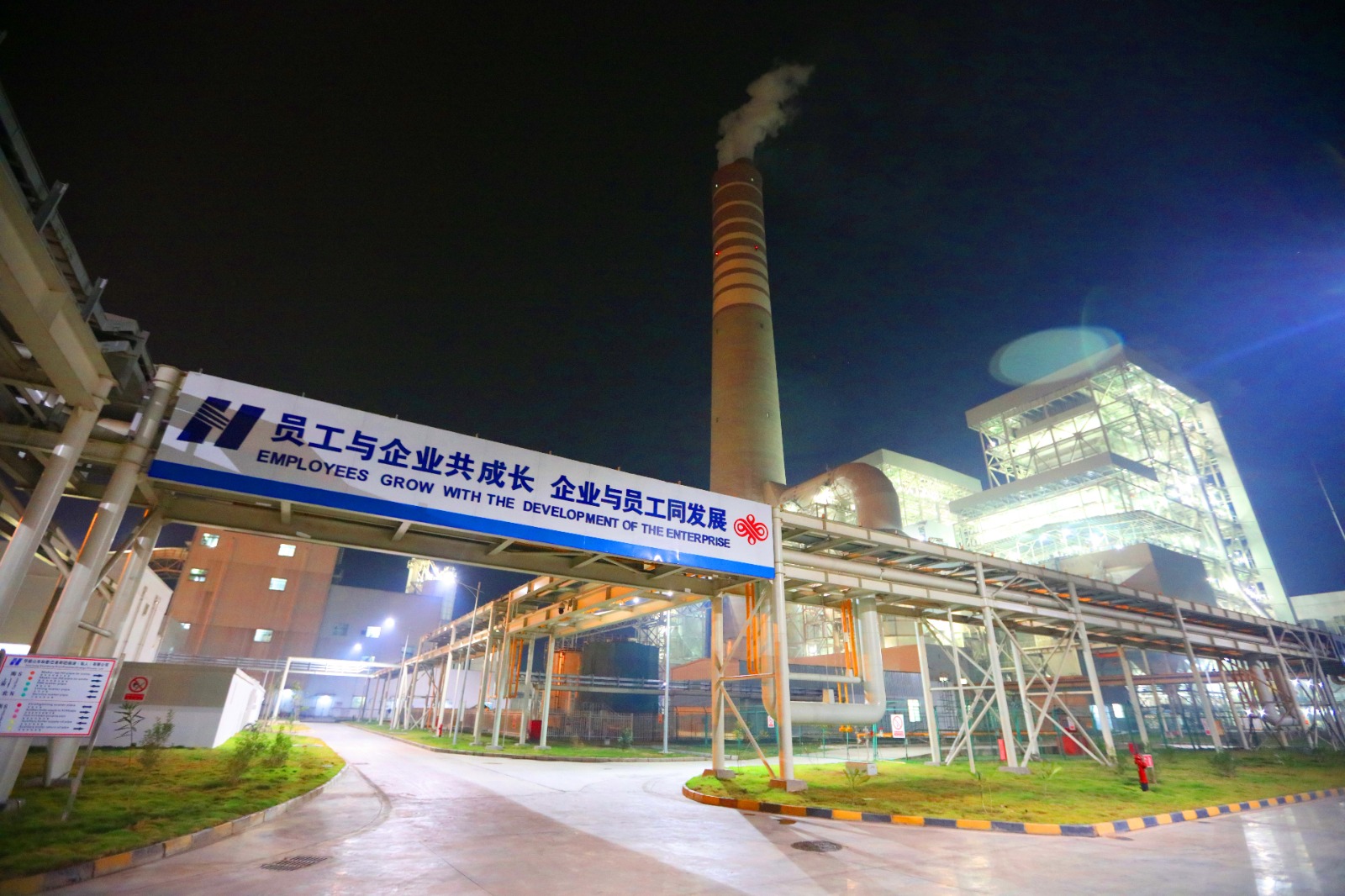
When people talk about large power plants, the conversation usually focuses on numbers. Installed capacity, megawatts generated, efficiency ratios, and grid contribution often dominate the discussion. Yet behind every major power station stands a community of people whose dedication and expertise keep the turbines turning and the electricity flowing. The story of the Sahiwal Coal Power Plant is not only a story of engineering achievement. It is also a story about the individuals whose work and commitment sustain one of Pakistan’s most significant energy projects.
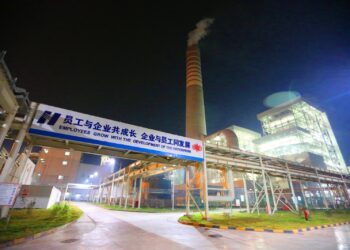
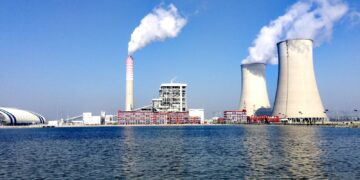
Located near the city of Sahiwal, the 1320-megawatt power plant has become a major contributor to Pakistan’s electricity supply. Developed under the framework of the China–Pakistan Economic Corridor, the project represents an important chapter in the country’s efforts to strengthen its power infrastructure. While the facility’s technical achievements often receive attention, the people who operate, maintain, and support the plant every day are the real force behind its success.
Every day at the plant begins with teams of engineers and technicians arriving for their shifts. Control rooms come to life as operators review system readings and prepare for another cycle of continuous power generation. Screens display detailed information about turbine performance, boiler temperature, pressure levels, and environmental monitoring systems. These numbers represent the heartbeat of the facility. Skilled professionals interpret this data and ensure that every component operates smoothly.
For many of these engineers, working at the plant represents the realization of years of education and training. Graduates from engineering universities across Pakistan joined the facility as trainees when operations began. They entered an environment filled with advanced technologies and complex systems that required both theoretical knowledge and practical skill. Over time these young professionals learned to manage critical operations, troubleshoot technical issues, and maintain equipment that runs continuously throughout the year.
Today many of those former trainees have become experienced operators and supervisors. Their growth reflects how the plant has contributed to developing technical expertise within Pakistan’s energy sector. The knowledge they gained while working with large scale power generation equipment has strengthened the country’s ability to manage modern power infrastructure.
The work inside the plant requires constant attention and responsibility. Electricity demand does not pause at night or during holidays. Teams operate in rotating shifts to maintain uninterrupted generation. When the rest of the city sleeps, operators continue to monitor turbines, check pressure readings, and ensure that the plant remains synchronized with the national grid. Their work may not always be visible to the public, but it forms an essential link in the chain that delivers electricity to homes, hospitals, and industries.
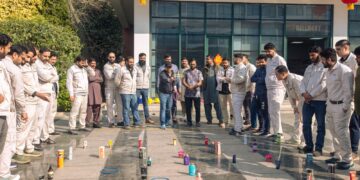
Safety is another important part of daily life at the facility. In a large industrial environment every task must be carried out with care and discipline. Workers attend regular safety briefings before beginning their duties. Protective equipment is standard practice, and every team member understands that safety procedures protect not only themselves but also their colleagues.
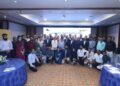
Employees often describe the plant as a workplace where teamwork plays a central role. Engineers, technicians, environmental specialists, and administrative staff collaborate closely to keep operations running efficiently. A maintenance team repairing equipment depends on accurate data from monitoring systems. Environmental officers rely on operators to maintain proper system conditions. Each role connects to the others, forming a network of cooperation that supports the entire operation.
The plant’s impact extends far beyond the facility itself. For many residents of the surrounding region, the project created employment opportunities that did not exist before. Local workers found roles in construction during the development phase, and many later transitioned into operational and support positions once the plant began generating electricity.
Businesses in nearby communities also experienced growth as economic activity increased. Shops, service providers, and transportation operators found new customers among the plant’s workforce. Over time the facility became part of the local economic landscape, contributing to livelihoods throughout the region. Community engagement has also played a role in strengthening the relationship between the plant and its neighbors. Educational support initiatives, local development programs, and outreach activities have helped create connections between employees and nearby communities. These efforts reflect an understanding that large infrastructure projects function best when they maintain positive relationships with the people living around them.
For the employees themselves, the plant has become more than just a workplace. Many workers speak about the sense of pride that comes from contributing to a project that supports the nation’s electricity supply. Each shift completed successfully represents another day of reliable power delivered to millions of people.
Environmental responsibility is another area where staff members play an important role. Modern power plants rely on advanced technologies to monitor emissions and maintain environmental standards. Engineers and environmental specialists carefully observe these systems to ensure compliance with regulations. Their work demonstrates how operational efficiency and environmental awareness can coexist within modern power generation facilities.
The plant also represents an example of international cooperation through the China–Pakistan Economic Corridor. Engineers and technical experts from different backgrounds worked together during construction and early operations. This collaboration created opportunities for knowledge exchange and technical learning that benefited local professionals. Over time Pakistani engineers assumed larger operational responsibilities, reflecting the success of training and skill development programs.
Stories from employees often highlight the friendships and professional relationships formed during years of working together. Long shifts and challenging technical tasks encourage teamwork and trust among colleagues. For many workers these relationships become one of the most meaningful parts of their professional lives.
The presence of the plant has also inspired many young people in the surrounding region to pursue education in engineering and technical fields. Students visiting the facility during educational tours gain exposure to the technologies that generate electricity for the country. Seeing complex machinery and meeting engineers who operate it can motivate students to imagine similar careers for themselves.
As Pakistan continues to expand its energy infrastructure, the experience gained at the Sahiwal plant will remain valuable. The engineers and technicians who manage its operations have developed skills that will support future energy projects across the country. Their knowledge contributes to building a stronger and more capable national energy workforce.
Ultimately the story of the Sahiwal Coal Power Plant is about people as much as it is about electricity. It is about the engineers who monitor complex systems throughout the night, the technicians who maintain powerful machinery, and the communities that have grown alongside the project.
Megawatts measure the electricity produced by the plant, but they cannot capture the dedication, expertise, and teamwork that make that production possible. The human effort behind the turbines and control panels is what truly powers the facility.
In that sense the Sahiwal power plant represents more than an energy project. It reflects the collective work of individuals committed to keeping Pakistan’s lights on and supporting the country’s progress. The plant’s turbines may generate electricity, but it is the people behind them who bring the entire system to life.