






















































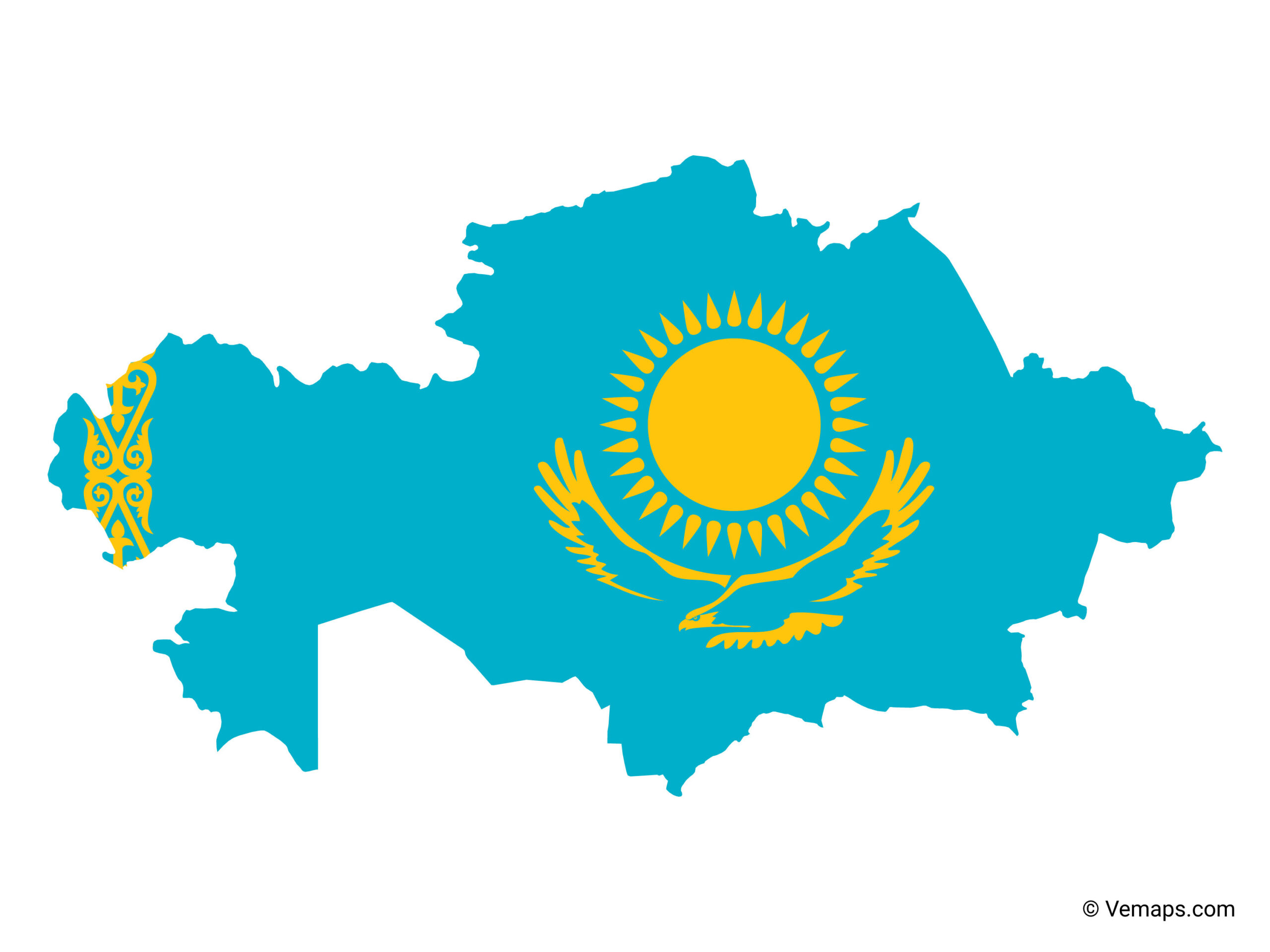
ASTANA: President Kassym-Jomart Tokayev has signed a decree calling a nationwide referendum on March 15 to decide the adoption of a new Constitution aimed at transforming Kazakhstan’s political and governance system.

According to official details, the proposed Constitution introduces a comprehensive overhaul of the country’s institutional framework, marking a shift from limited amendments toward a full constitutional transformation. If approved by voters, the reforms will take effect from July 1 and will end the mandate of the current Parliament, initiating a transition to a new political structure.
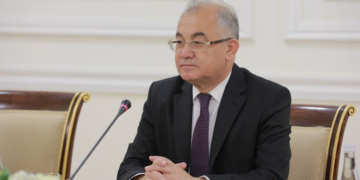
The final draft was presented to the president by Elvira Azimova, chairperson of the Constitutional Commission and the Constitutional Court, following an extensive reform process that included public consultations, expert input and parliamentary review. Authorities said the drafting process was conducted openly, with commission meetings broadcast live and nearly 10,000 public proposals submitted through digital government platforms.
The proposed Constitution consists of 96 articles and introduces major political changes, including replacing Kazakhstan’s long-standing super-presidential model with a presidential republic supported by a stronger and more influential Parliament. A unicameral legislature, known as the Kurultai, would be established with 145 deputies elected under a proportional electoral system for five-year terms.
Under the draft, parliamentary powers would be expanded, allowing lawmakers to issue votes of no confidence in the government, summon ministers for oversight hearings and play a decisive role in key state appointments. The Kurultai’s consent would be required for appointing the vice president, prime minister and several senior constitutional officials.
The reforms also propose creating a new nationwide consultative body, the People’s Council of Kazakhstan, tasked with representing public interests, submitting draft legislation and initiating national referendums.
A constitutional office of vice president would be introduced, with a clearly defined line of succession placing the vice president first, followed by the chair of the Kurultai and the prime minister. The president would retain authority over key ministries, including foreign affairs, defence and internal affairs.
The draft Constitution places strong emphasis on rule of law and civil liberties, incorporating expanded fair-trial guarantees, protection against unlawful detention, a ban on double jeopardy and constitutional recognition of access to legal counsel from the moment of detention. It also introduces explicit protections for personal data, digital privacy and compensation for harm caused by unlawful actions of state authorities.
Human rights and freedoms are positioned at the centre of the constitutional framework, declared in the preamble as the highest priority of the state. The document also reaffirms sovereignty, territorial integrity and secular governance, while defining marriage as a voluntary union between a man and a woman and emphasising support for national culture and historical heritage.
Officials say the reforms reflect a strategic shift toward human-centred development, prioritising education, science, innovation and cultural growth as key drivers of Kazakhstan’s future development.
If the referendum approves the new Constitution, presidential elections for the newly proposed representative institutions would be announced within one month, marking the beginning of what authorities describe as a new constitutional phase in Kazakhstan’s state development.