












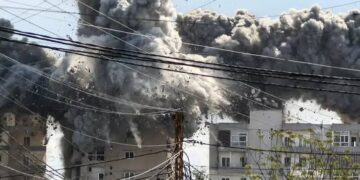








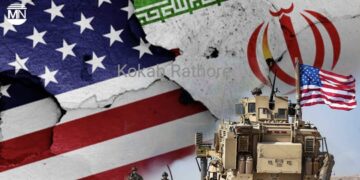

























DUBAI/BEIRUT: Israel carried out new airstrikes across Lebanon on Thursday, escalating tensions and putting a fragile Middle East ceasefire at risk. The attacks follow Israel’s largest strikes of the war, which killed more than 250 people.Iran has insisted that any ceasefire must include Lebanon, while Israel and the United States maintain that Lebanon is not part of the agreement.

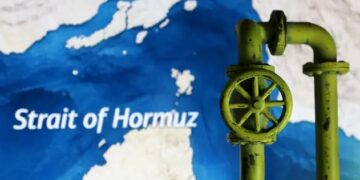
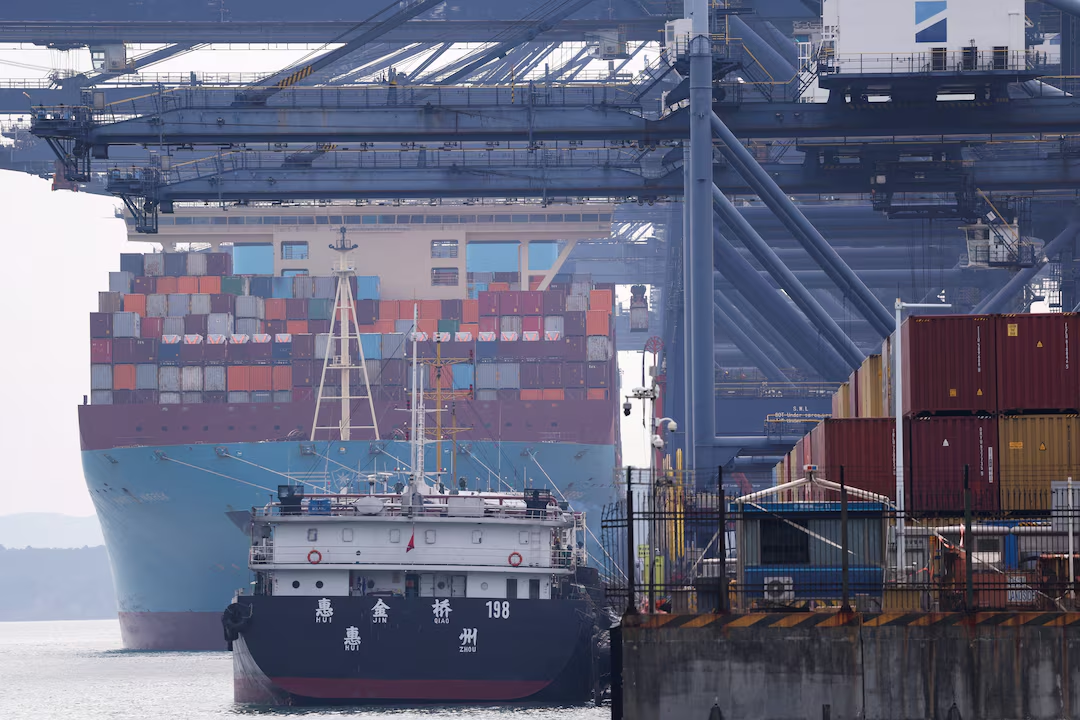
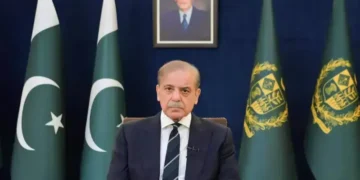
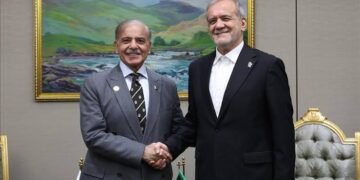
Pakistan and Iran, however, say it was included in the deal.Iranian officials are expected to travel to Pakistan for upcoming peace talks with a U.S. delegation led by Vice President JD Vance. Despite the ceasefire announcement, Iran has not lifted its blockade of the Strait of Hormuz, causing major disruption to global energy supplies. As a result, physical oil prices have surged to record levels near $150 per barrel.
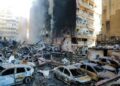
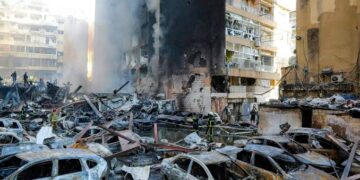
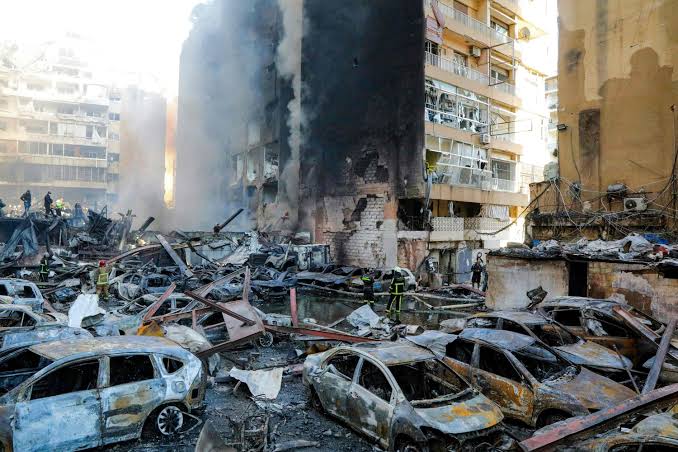
Israel, which invaded Lebanon last month targeting Hezbollah, said it killed the nephew of Hezbollah leader Naim Qassem and struck key infrastructure used by the group. Airstrikes hit Beirut’s southern suburbs and multiple areas in southern Lebanon. Hezbollah, which had initially paused attacks, announced it had resumed operations, firing across the border and targeting Israeli forces.
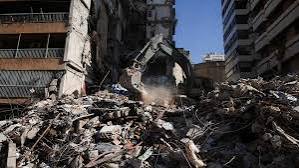
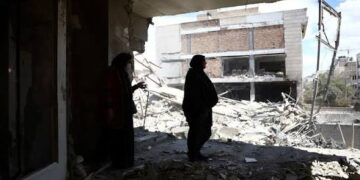
Lebanese rescue teams are continuing efforts to save civilians trapped under rubble after strikes hit densely populated areas without prior warning.Iran condemned the attacks as a “grave violation,” warning they could lead to further escalation.
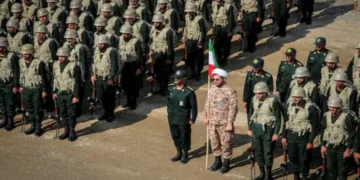
Meanwhile, large crowds gathered across Iran to mark 40 days since the death of Supreme Leader Ayatollah Ali Khamenei, who was killed at the start of the war.
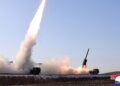
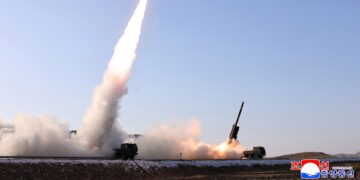
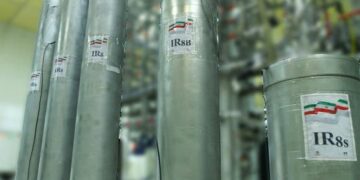
Although U.S. President Donald Trump declared the ceasefire a success, major issues remain unresolved. Iran retains missile capabilities and enriched uranium stockpiles, while tensions over regional security and control of key waterways persist.