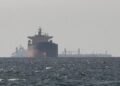





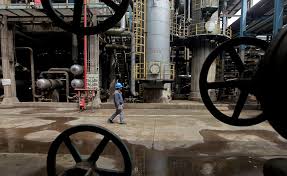



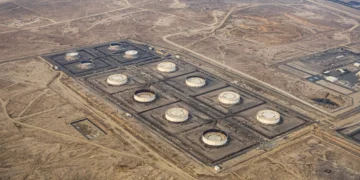





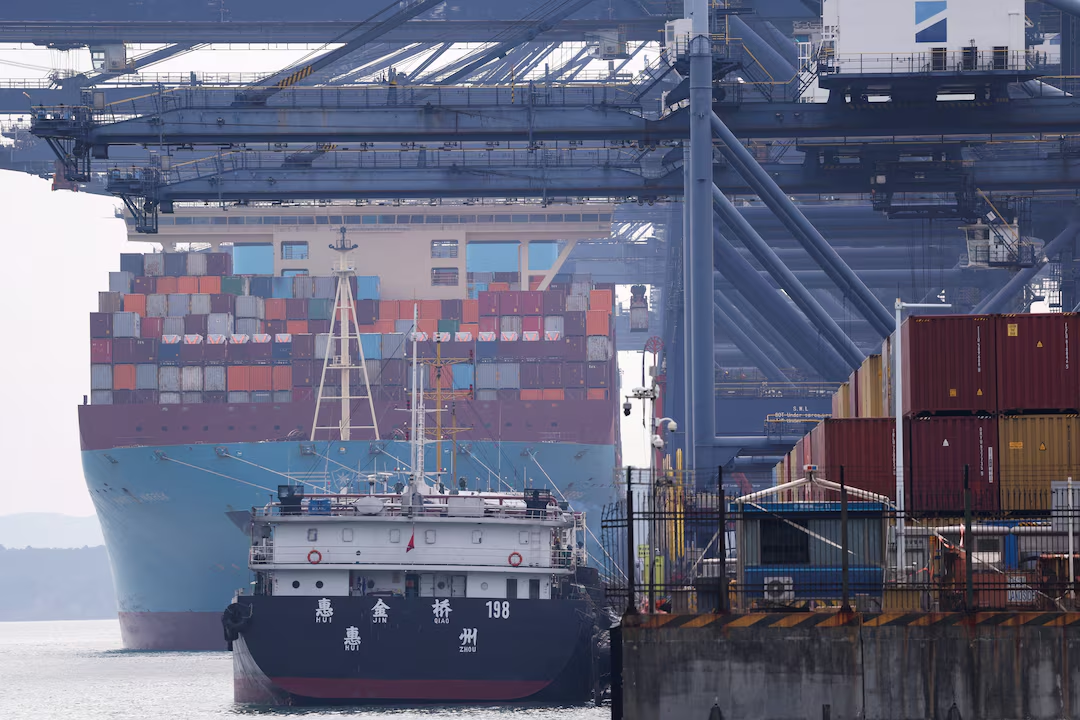











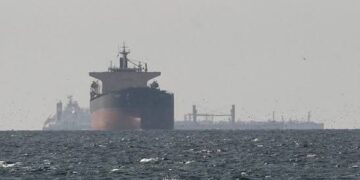










































NEW YORK/LONDON/HOUSTON, (Reuters): Iranian crude oil has continued to flow through the Strait of Hormuz at a near-normal pace even as Tehran-linked attacks on ships in the narrow waterway have sharply reduced exports from other Gulf countries, according to a Reuters review of tanker-tracking data.

Iran has exported about 13.7 million barrels of crude oil since the February 28 attacks by the Israel and the United States, according to analysis by TankerTrackers.com, a maritime intelligence company that tracks vessels transporting oil from sanctioned countries.
Vessel tracking service Kpler estimated Iranian exports even higher at around 16.5 million barrels in the first 11 days of March.Iran’s retaliation to the attacks has included strikes on ships in the Strait of Hormuz and energy infrastructure across the Middle East. The escalation has brought non-Iranian vessel transits through the key route for Middle Eastern oil exports close to a standstill, forcing producers in the region to cut output.
Despite the conflict, Iranian oil exports have continued without reported interceptions. Analysts note this contrasts with a previous U.S. military campaign in Venezuela, where a naval blockade and vessel seizures were used to restrict oil shipments.David Tannenbaum, a director at consulting firm Blackstone Compliance Services, said he was surprised that the U.S. had not initiated a similar campaign before or during the current conflict.
Analysts also warn that attempts to stop Iranian tankers could trigger further escalation. Matias Togni, an analyst at Next Barrel, said U.S. efforts to seize Iran-linked vessels could provoke more attacks on ships passing through the strait.
Shipping financier James Lightbourn said Iran has an incentive to keep the strait partially open as long as its own vessels continue exporting oil. The Donald Trump administration has not commented on whether Washington plans any action against Iranian oil exports.
TankerTrackers.com and Kpler data show Iranian crude exports between 1.1 million and 1.5 million barrels per day from February 28 to March 11. Iran’s average exports last year were 1.69 million barrels per day, according to Kpler. Satellite imagery shows several very large crude carriers still loading oil at Iran’s Kharg Island export hub, suggesting shipments could increase in the coming days.
Before the February 28 strikes, Iran had increased exports to about 2.17 million barrels per day in February in anticipation of military action. The country’s record weekly exports reached 3.79 million barrels per day in mid-February, according to Kpler data.
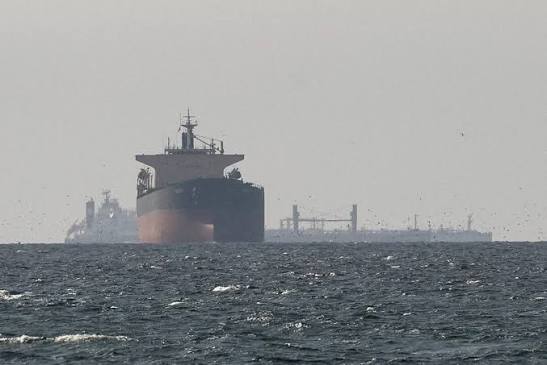
Since February 28, six crude oil tankers have departed Iran, including the U.S.-sanctioned vessel Cuma. Two liquefied petroleum gas tankers under U.S. sanctions also left Iran after loading cargo. At least 11 million barrels of crude oil have already been shipped, with four supertankers carrying 8 million barrels arriving near Singapore.
Shipping sources say many vessels travel within Iran’s exclusive economic zone, extending up to 24 miles beyond its territorial waters, providing some protection while they transit the region.