

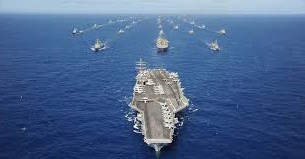


































GENEVA (MNN); Iran and the United States concluded hours of indirect negotiations in Geneva over Tehran’s nuclear programme without reaching an agreement, keeping the risk of renewed conflict in the Middle East alive as Washington maintains a significant military presence in the region.

The talks were mediated by Oman’s Foreign Minister Badr al-Busaidi, who described the discussions as having achieved “significant progress” but did not provide details. However, shortly before the session ended, Iranian state television reported that Tehran remained committed to continuing uranium enrichment, rejected proposals to transfer enriched material abroad and demanded the removal of international sanctions — positions that suggest it is unwilling to meet the demands of US President Donald Trump.
President Trump is seeking a new agreement to restrict Iran’s nuclear activities, viewing the moment as an opportunity amid domestic pressures on Tehran following widespread protests. Iran, while aiming to avoid war, insists it has the right to enrich uranium and has refused to broaden the agenda to include its long-range missile programme or support for regional armed groups such as Hamas and Hezbollah.
Al-Busaidi said technical-level discussions would resume next week in Vienna, where the International Atomic Energy Agency is based, signalling the UN nuclear watchdog’s likely central role in any potential accord.
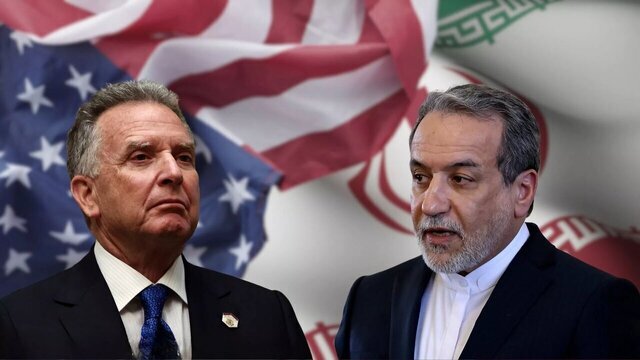
Iran’s Foreign Minister Abbas Araghchi described the latest round as among the most intense and lengthy negotiations between the two countries. He did not elaborate on specifics but said Iran’s position had been clearly presented.
The White House did not immediately comment.
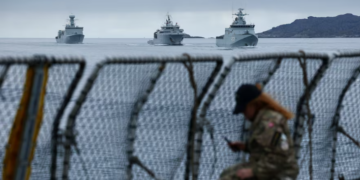
Tehran has warned that any US military strike would render American bases in the region legitimate targets, potentially placing tens of thousands of US troops at risk. Iran has also threatened action against Israel, raising fears that a broader regional war could erupt.
“There would be no victory for anybody — it would be a devastating war,” Araghchi said in an interview before departing for Geneva, cautioning that widespread US bases across the region could draw multiple countries into conflict.
Ali Vaez of the International Crisis Group said it was notable that US negotiators did not walk away after Iran presented its latest proposal, suggesting some common ground remains despite the absence of a breakthrough.
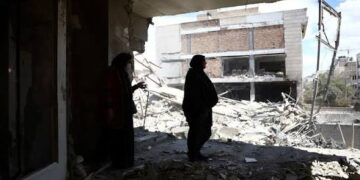
Previous rounds of talks collapsed last year after Israel launched a 12-day war against Iran in June and the United States carried out major strikes on Iranian nuclear facilities, leaving significant damage whose full extent remains unclear.
Araghchi led the Iranian delegation, while US envoy Steve Witkoff headed the American side alongside Jared Kushner. Oman once again acted as intermediary, a role it has historically played between Iran and Western powers.
During a break in the talks, Iranian Foreign Ministry spokesperson Esmail Baghaei said “constructive proposals” had been exchanged regarding nuclear issues and sanctions relief.
Washington is demanding that Iran completely halt uranium enrichment and scale back its missile programme and regional alliances. Tehran maintains its nuclear activities are purely peaceful and says discussions must remain limited to nuclear matters.
US Secretary of State Marco Rubio said Iran is attempting to rebuild elements of its nuclear capacity, though he acknowledged Tehran is not currently enriching uranium. Iran has stated it has not enriched uranium since June but has restricted International Atomic Energy Agency inspectors’ access to bombed sites. Satellite imagery has shown activity at two facilities, indicating possible assessments or recovery efforts.
Western governments and the International Atomic Energy Agency say Iran halted a weapons programme in 2003. After President Trump withdrew from the 2015 nuclear agreement, Iran increased uranium enrichment to 60 percent purity — close to weapons-grade levels of 90 percent. US intelligence agencies believe Iran has not restarted a weapons programme but has positioned itself closer to that capability if it chooses.
Failure of the talks leaves uncertainty over whether the United States might resort to military action. Limited strikes aimed at pressuring Tehran could prove ineffective, while efforts to destabilise Iran’s leadership could trigger a prolonged conflict with unpredictable consequences.
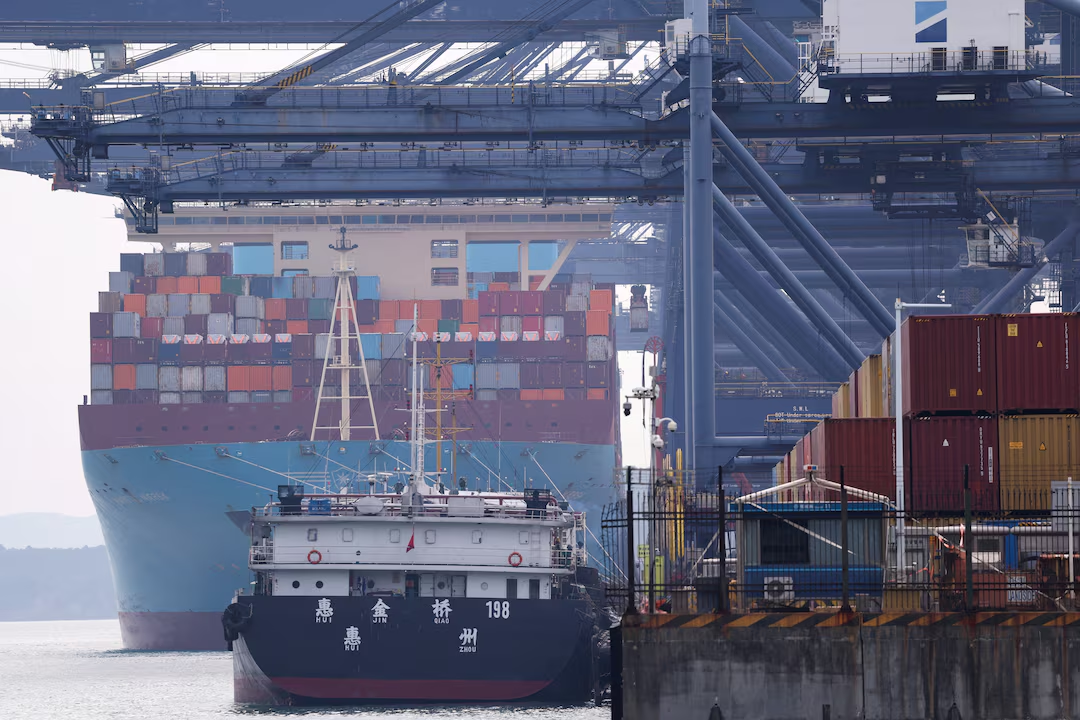
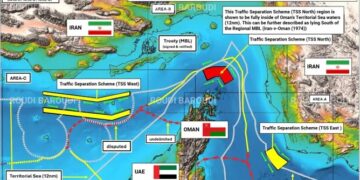
Regional stability also remains at stake. Iran could retaliate against US-allied Gulf states or Israel. Concerns over escalation have contributed to rising oil prices, with Brent crude trading near 70 dollars a barrel. In a previous round of tensions, Iran briefly halted traffic in the Strait of Hormuz, a critical chokepoint through which roughly one-fifth of global oil trade passes.