

























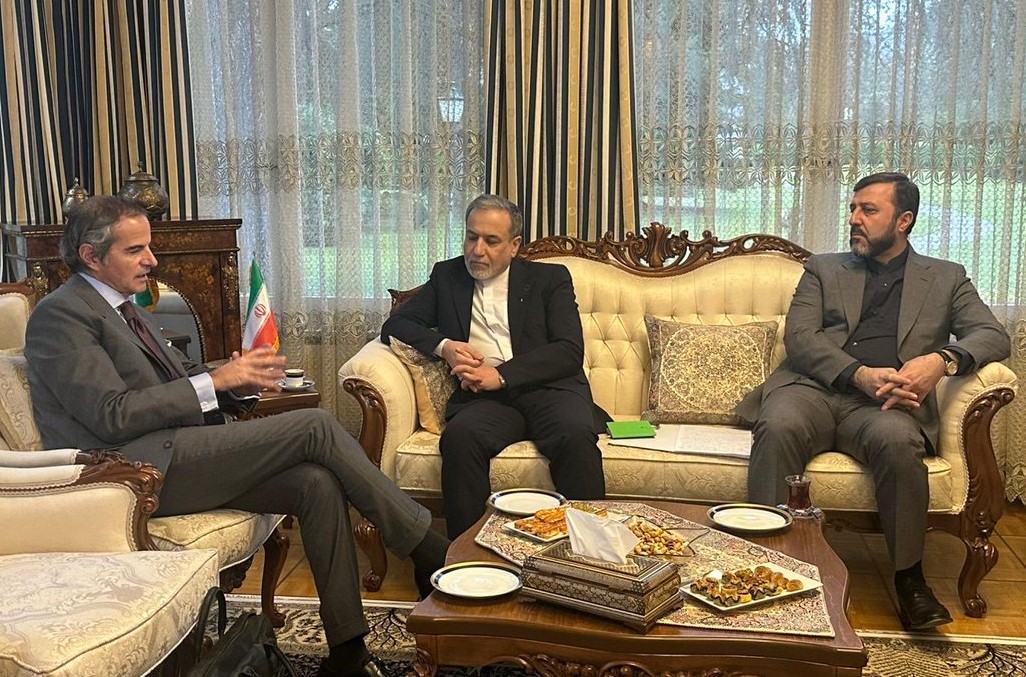
GENEVA (MNN); Iranian Foreign Minister Abbas Araghchi arrived in Geneva on Monday for a crucial second round of nuclear negotiations with the United States, aimed at easing tensions and preventing a potential military escalation that Supreme Leader Ayatollah Ali Khamenei has warned could expand into a wider regional conflict.

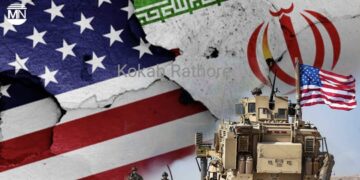
Araghchi said he had come to Geneva with “real ideas” for a fair agreement but stressed that Iran would not surrender under pressure. The renewed dialogue comes as Washington increases its military presence in the region, including the deployment of a second aircraft carrier, while diplomatic efforts intensify to avoid war.
During his visit, Araghchi met Rafael Grossi, head of the International Atomic Energy Agency (IAEA), for what he described as in-depth technical discussions. The IAEA has been seeking access to key Iranian nuclear facilities damaged during the 12-day conflict in June involving the US and Israel. Tehran has cited radiation risks and called for a formal protocol before inspections of enriched uranium sites buried under debris.
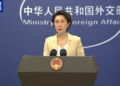
Iran’s Foreign Ministry spokesman Esmaeil Baghaei said Washington’s stance on Iran’s nuclear programme had become “more realistic” and confirmed that the IAEA would play an important role in upcoming mediated discussions. However, he criticized Grossi for not condemning strikes on Iranian nuclear facilities protected under the Nuclear Non-Proliferation Treaty (NPT).
Araghchi is also scheduled to meet Omani Foreign Minister Badr bin Hamad Al Busaidi, whose country facilitated earlier talks. Reports from Tehran indicate Iran may consider reducing uranium enrichment levels and allowing greater transparency in inspections as part of possible compromises.
US Secretary of State Marco Rubio, speaking in Hungary, acknowledged that while a diplomatic agreement was possible, reaching a deal would be difficult. Iran has consistently rejected demands for zero enrichment and insists its missile programme remains non-negotiable.
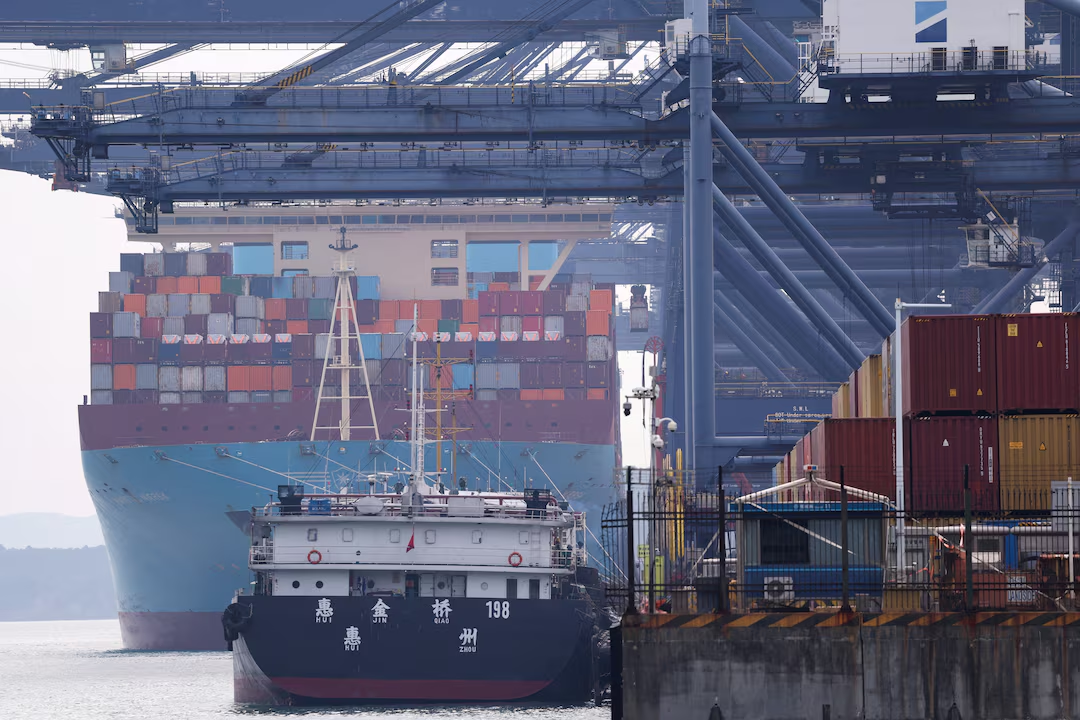
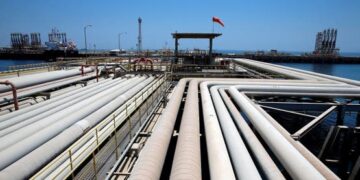
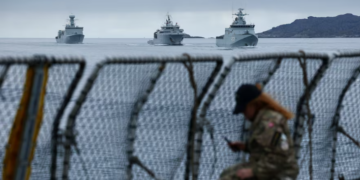
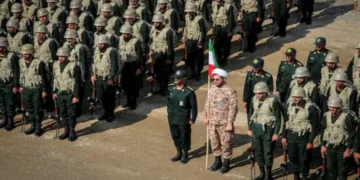
Meanwhile, Iran’s Islamic Revolutionary Guard Corps has launched military drills in the Strait of Hormuz under the exercise “Smart Control of the Strait of Hormuz” to test naval readiness.
The Geneva talks coincide with separate diplomatic discussions in Switzerland regarding efforts to end the Ukraine war, now nearing its fourth year since Russia’s 2022 invasion. However, prospects for a breakthrough remain uncertain.