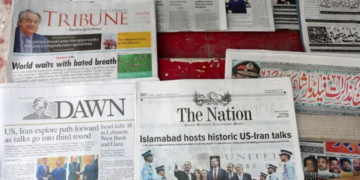
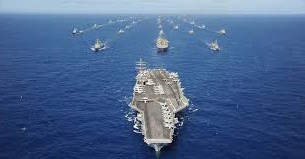







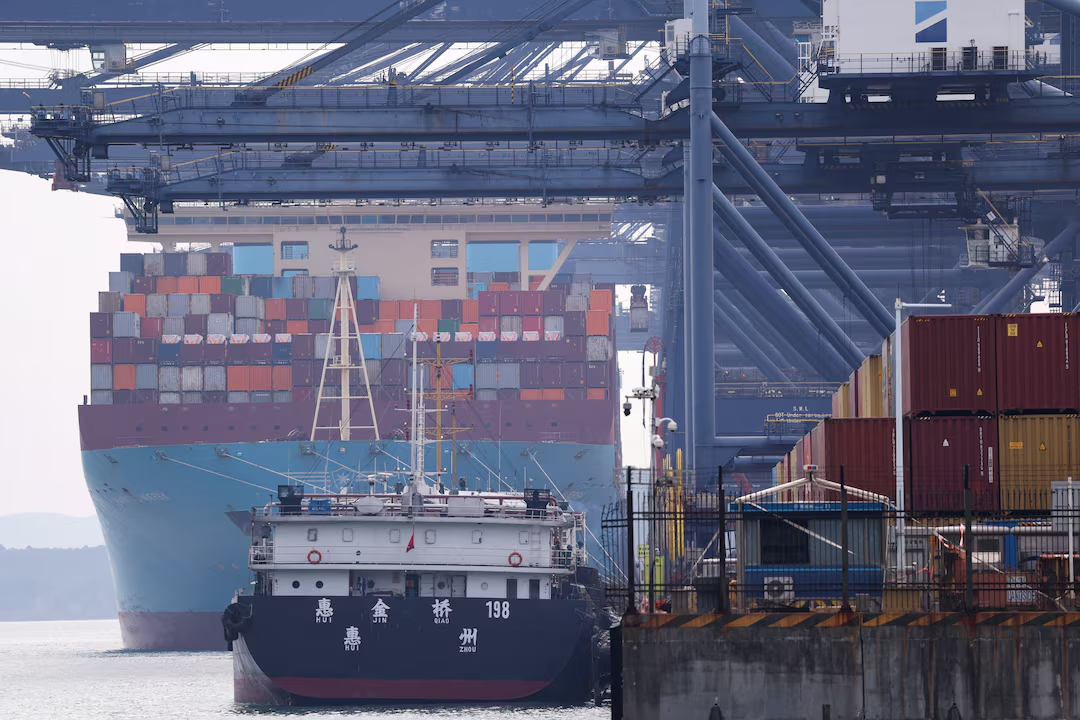

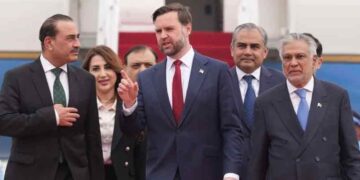
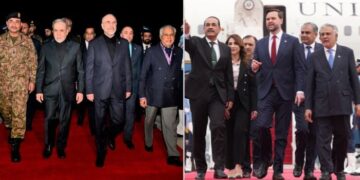
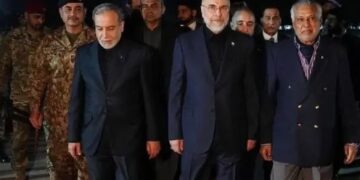

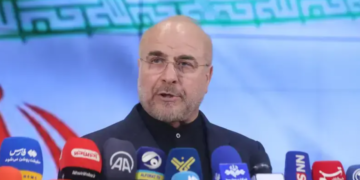
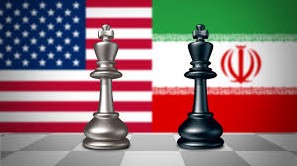














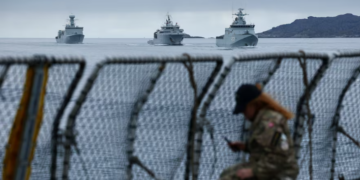











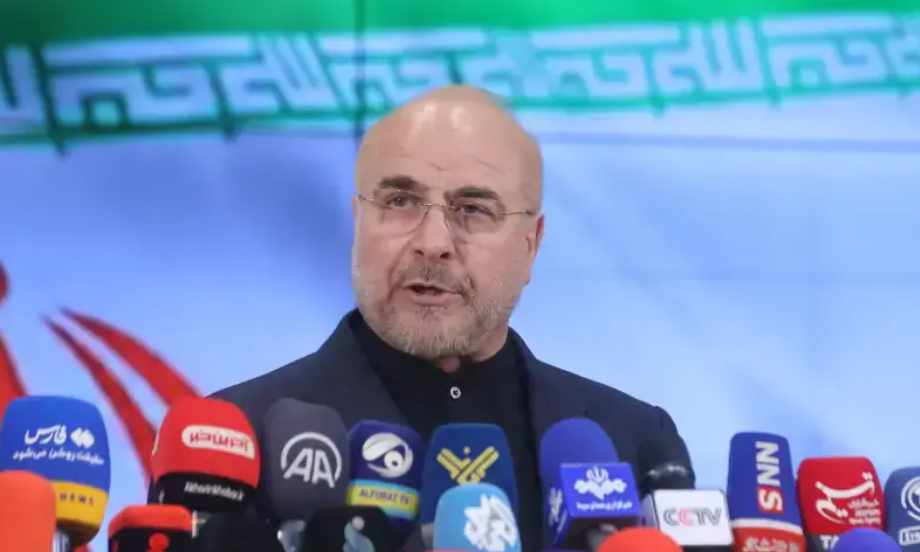
Iran’s Parliament Speaker Mohammad Bagher Ghalibaf has declared that Tehran will not yield to pressure following the United States’ decision to impose a naval blockade near the Strait of Hormuz after unsuccessful negotiations.

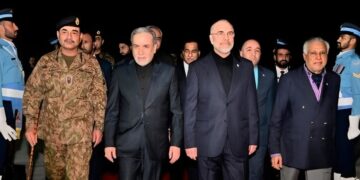
Speaking after returning from Islamabad, where Pakistan facilitated the talks, Ghalibaf reaffirmed Iran’s firm stance: “If they fight, we will fight, and if they come forward with logic, we will deal with logic. We will not bow to any threats, let them test our will once again so that we can teach them a bigger lesson.”
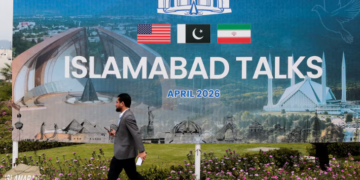
The initial round of direct dialogue between Iran and the United States—the first in over a decade—ended without a formal agreement, though both sides signaled openness to continuing discussions. Ghalibaf criticized Washington for failing to build trust, saying the opposing side “ultimately failed to gain the trust of the Iranian delegation in this round of negotiations.”
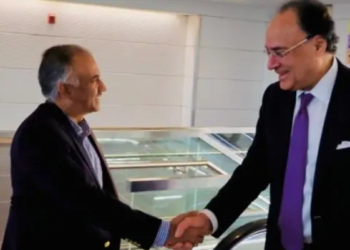
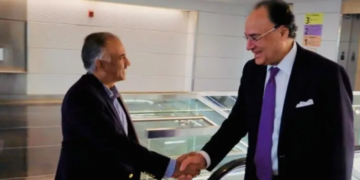
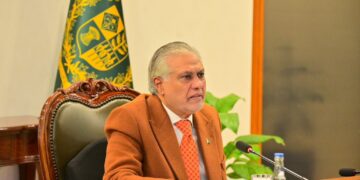
Pakistan, which hosted the talks, expressed cautious optimism. Deputy Prime Minister Ishaq Dar said, “We hope that the two sides continue with the positive spirit to achieve durable peace and prosperity for the entire region and beyond.”
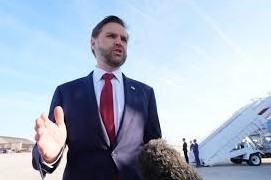
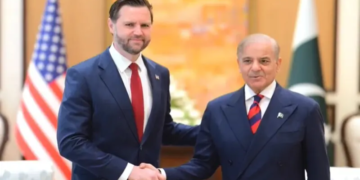
Although no deal was reached, neither side declared the process a failure. U.S. Vice President J. D. Vance noted that a proposal had been presented to Iran, while Ghalibaf emphasized that it was now up to the United States, stating, “It is time for it [US] to decide.”
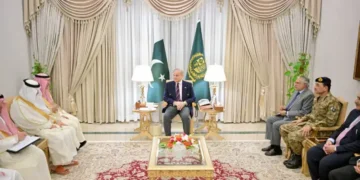
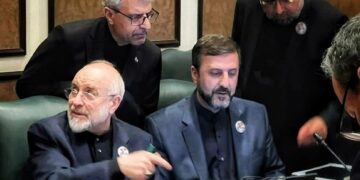
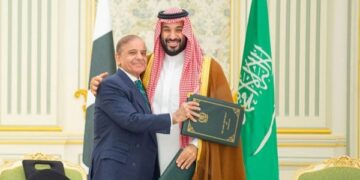
The negotiations progressed through multiple stages, including separate meetings with Pakistani leadership such as Prime Minister Shehbaz Sharif and military officials, before evolving into direct discussions between senior delegations. High-level participants included U.S. envoys Steve Witkoff and Jared Kushner, alongside Iran’s Foreign Minister Abbas Araghchi.
According to Iran’s Foreign Ministry spokesman Esmaeil Baqaei, talks covered key issues such as the Strait of Hormuz, Iran’s nuclear program, sanctions relief, war reparations, and a broader ceasefire.
Despite extensive discussions, deep disagreements persisted. The United States sought firm assurances that Iran would not pursue nuclear weapons, while Iran insisted on prior trust-building measures and maintained its right to uranium enrichment under international agreements. Tehran also proposed limiting enrichment levels and reducing stockpiles, but Washington pushed for stricter, long-term restrictions, leading to a stalemate.
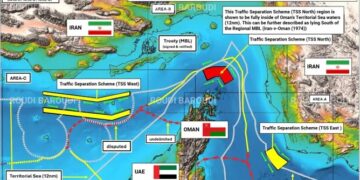
Control of the Strait of Hormuz emerged as another major dispute. Iran insisted that the waterway falls under the shared sovereignty of Iran and Oman and that its control is non-negotiable, while the U.S. advocated for unrestricted navigation.
Sanctions relief further complicated the talks. While Washington suggested a phased lifting tied to compliance, Iran demanded a full removal of sanctions and the release of frozen assets as part of any agreement. Conflicting claims also surfaced regarding a proposed $6 billion asset release.
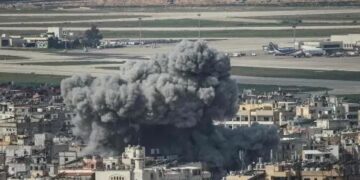
Regional tensions, particularly in Lebanon, added another layer of complexity. Iran insisted that any deal must include a comprehensive ceasefire across all fronts, while ongoing hostilities reinforced Tehran’s cautious approach.
Overall, officials described the outcome not as a failure, but as a reflection of the complexity and scale of the issues. While no breakthrough was achieved, both sides appear willing to continue engagement, with another round of talks—possibly at a technical level—expected in the coming weeks.