


























































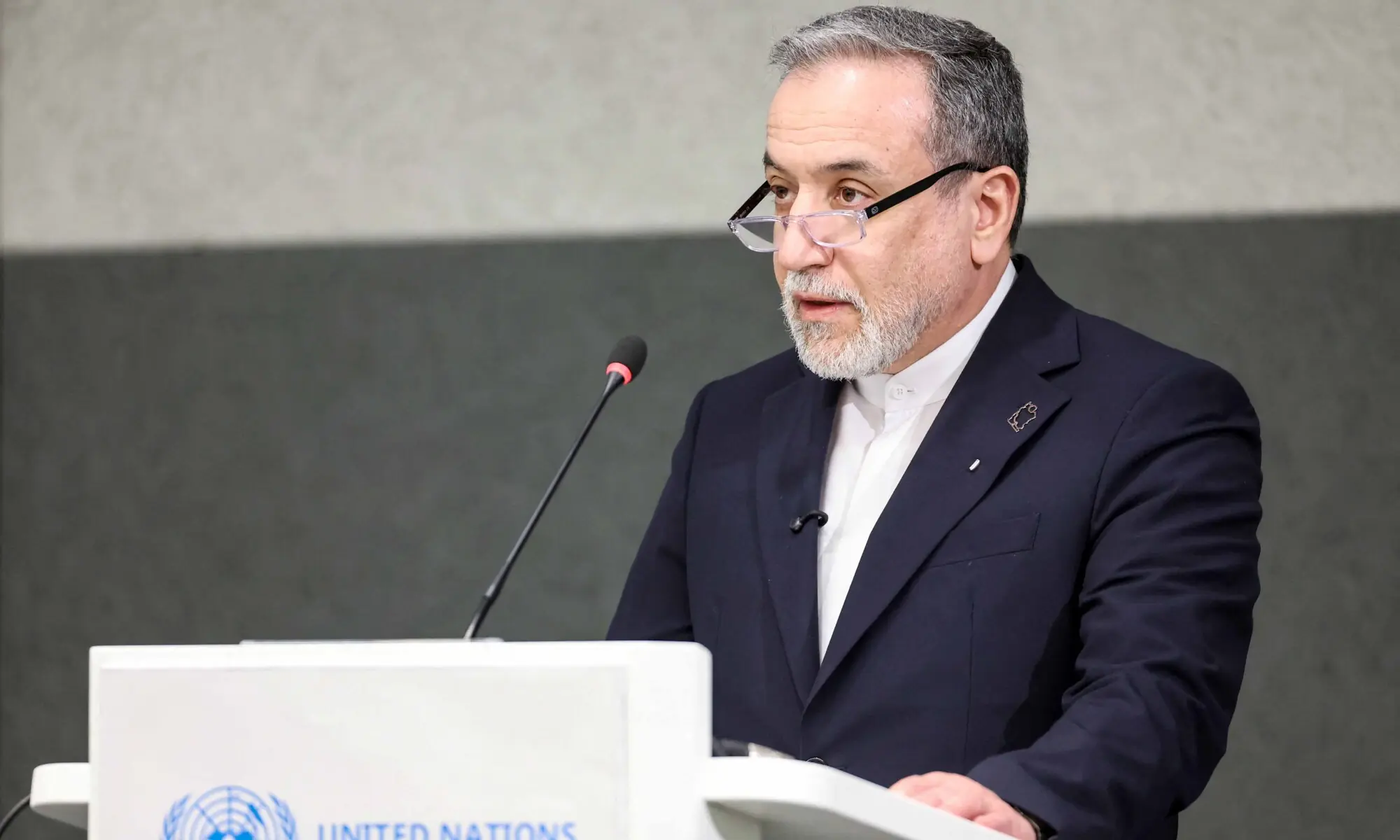
News Desk (MNN); Iran’s Foreign Minister Abbas Araghchi said on Tuesday that the latest round of negotiations between Tehran and Washington resulted in agreement on “a set of guiding principles” that could lay the groundwork for a potential deal between the two longtime adversaries.

Speaking to state television, Araghchi described the discussions as more serious and constructive than previous engagements.
“Ultimately, we were able to reach broad agreement on a set of guiding principles, based on which we will move forward and begin working on the text of a potential agreement,” he said.
He added that, compared with the earlier round of talks, the most recent discussions were conducted in a more constructive atmosphere, with fully serious issues brought to the table.
Tehran and Washington held their second round of negotiations on Tuesday. The talks resumed earlier this month after efforts last year collapsed in the aftermath of Israel’s military action against Iran in June, which triggered a 12-day conflict between the two regional adversaries.
During that brief but intense confrontation, the United States temporarily joined Israel in conducting strikes on key Iranian nuclear facilities, escalating tensions in the region and further straining diplomatic channels.
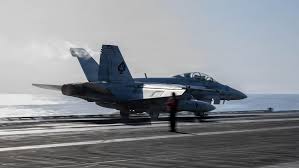
The renewed dialogue comes against the backdrop of heightened tensions. Washington recently deployed an aircraft carrier strike group to the Middle East following Iran’s deadly crackdown on anti-government protests last month. The protests were initially sparked by worsening economic hardships and rapidly evolved into broader demonstrations challenging the government.
Araghchi acknowledged that while progress had been made in defining general principles, reaching a comprehensive agreement would not be immediate.
“This does not mean we can reach a deal quickly,” he cautioned. “We hope this process can be completed as soon as possible and we are ready to devote sufficient time to it.”
He admitted that narrowing the gap between the positions of the two countries would require sustained effort. “It will take time to narrow the differences, but at least we now have a set of guiding principles and a clearer path to move forward,” he said.
The negotiations are widely seen as focusing on Iran’s nuclear programme and the potential easing of US sanctions, though neither side has publicly disclosed detailed terms under discussion.
Separately, Iran’s Supreme Leader Ali Khamenei issued a stern warning to Washington and dismissed the prospect of US dominance over Iran.
In a speech on Tuesday, Khamenei directly addressed remarks made by US President Donald Trump, who recently claimed that the United States had failed for 47 years to destroy the Islamic Republic.
“In one of his recent speeches, the US president said that for 47 years America has not succeeded in destroying the Islamic Republic. I tell you: you will not succeed either,” Khamenei declared.
He also warned about the presence of US naval forces in the Gulf region, stating that although an aircraft carrier is a powerful and dangerous weapon, there are weapons capable of sinking it.
“We constantly hear that they have sent a warship towards Iran. A warship is certainly a dangerous weapon, but even more dangerous is the weapon capable of sinking it,” he said, in remarks widely interpreted as a show of defiance.
Khamenei expressed skepticism regarding the outcome of negotiations with Washington, suggesting that there was limited room for meaningful dialogue.
“If there are to be negotiations — because there is no real room for negotiation — determining the outcome in advance is a mistake and madness,” he said, in reference to US demands that Iran abandon its nuclear programme.
He accused the American president of alternating between threats and directives, saying such statements reflected a desire to dominate the Iranian nation.
“The statements of the American president, at times threatening and at times dictating what should and should not be done, reveal a desire to dominate the Iranian nation,” Khamenei said.
The dual messaging from Tehran — cautious optimism from the foreign minister and defiance from the supreme leader — highlights the complex dynamics shaping Iran’s approach to talks with the United States. While diplomatic channels remain open, deep mistrust and regional tensions continue to cast uncertainty over the prospects for a lasting agreement.
Observers note that the coming weeks will be critical in determining whether the newly agreed “guiding principles” can translate into a concrete draft agreement, or whether longstanding disputes over sanctions, nuclear activities and regional security will once again derail negotiations.