




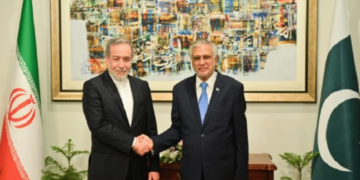







































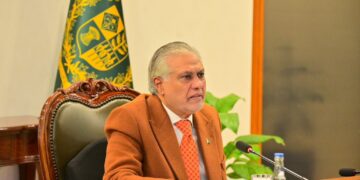











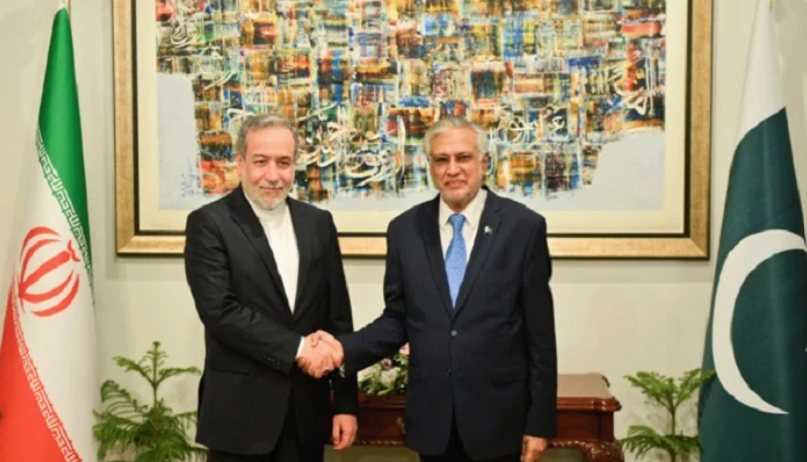
ISLAMABAD: In a significant sign of easing regional tensions, Pakistan’s Deputy Prime Minister and Foreign Minister Ishaq Dar announced that Iran has agreed to permit additional Pakistani vessels to pass through the Strait of Hormuz, describing the move as a positive development for regional peace and stability.

“I am pleased to share a great news that the Government of Iran has agreed to allow 20 more ships under the Pakistani flag to pass through the Strait of Hormuz; two ships will cross the Strait daily,” Dar said in a post on X.
He described the decision as a constructive signal from Tehran. “This is a welcome and constructive gesture by Iran and deserves appreciation. It is a harbinger of peace and will help usher stability in the region.”
Dar further noted the wider implications of the move, saying, “This positive announcement marks a meaningful step toward peace and will strengthen our collective efforts in that direction.”
Emphasising the importance of continued engagement, he added: “Dialogue, diplomacy, and such confidence-building measures are the only way forward.”
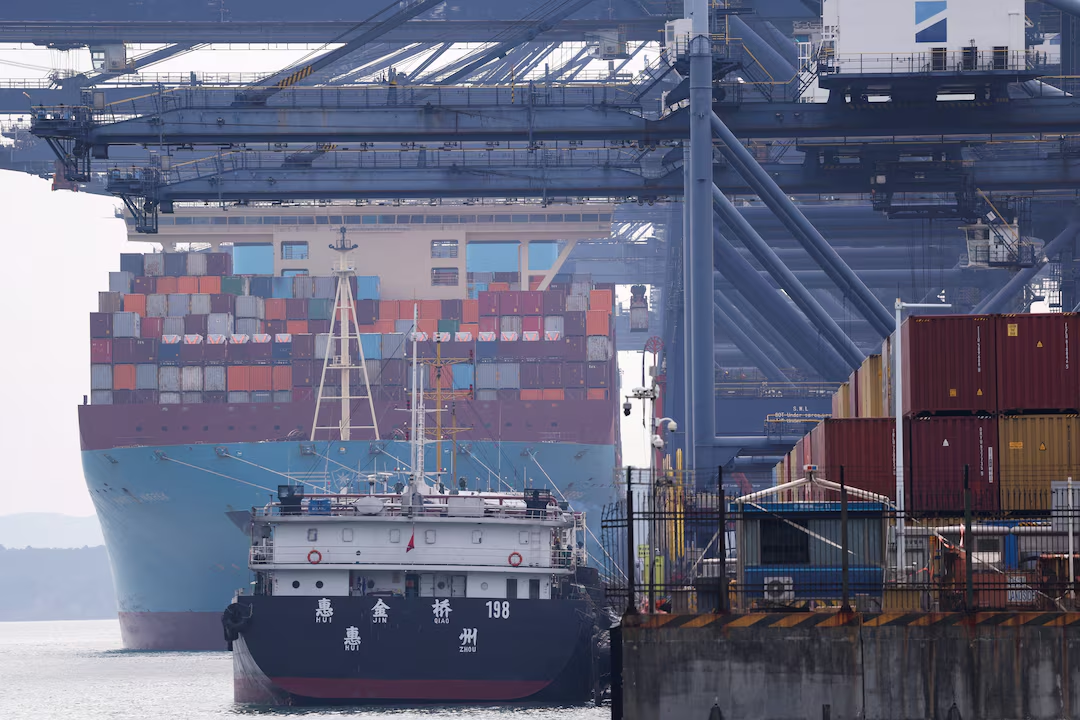
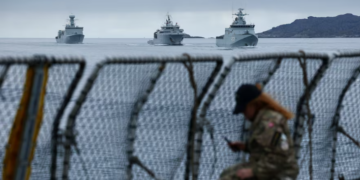
Tensions in the region had previously disrupted maritime activity, with Iranian warnings about potential attacks discouraging most oil tankers from using the route. However, some vessels — including those sailing under Pakistani and Indian flags — have continued to pass through safely following Iranian assurances.
According to Reuters, nearly 16 attacks have impacted at least 17 commercial ships since the conflict began, while approximately 1,900 to 2,000 vessels remain stranded in the region.
Islamabad to host rare regional meeting
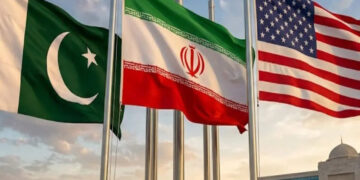
Pakistan has increasingly positioned itself as a mediator between Iran and the United States, facilitating communication between the two sides as the conflict continues.
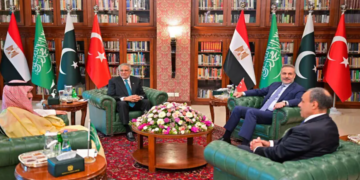
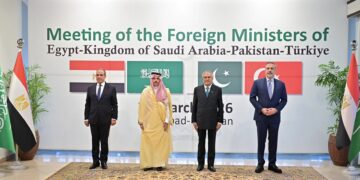
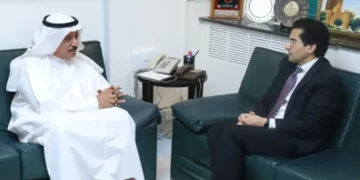
Prime Minister Shehbaz Sharif said on Saturday that he held a “detailed” conversation with Iran’s president, as foreign ministers from Saudi Arabia, Egypt, and Türkiye arrived in Islamabad for discussions on the Middle East situation.
The diplomats are expected to participate in talks over Sunday and Monday “on a range of issues, including efforts to de-escalate tensions in the region”, according to the Foreign Office.
These meetings, taking place in Islamabad, are part of Pakistan’s broader effort to position itself as a potential venue for direct US-Iran negotiations amid the ongoing conflict.
The Foreign Office stated that the foreign ministers would engage in “in-depth discussions on a range of issues, including efforts to de-escalate tensions in the region” during the two-day talks.
Türkiye’s Foreign Minister Hakan Fidan said the discussions aim to develop a framework for de-escalation.
“We would discuss where the negotiations in this war are heading and how these four countries assess the situation and what can be done,” he told broadcaster A Haber late on Friday.
The four countries have been actively working to mediate between Washington and Tehran following the war launched by the US and Israel on February 28. All parties involved face significant risks from disruptions to energy supplies and key trade routes.
Pakistan has also conveyed a US proposal to Tehran aimed at ending the conflict and has offered to host negotiations, with Iranian officials indicating that any potential talks could take place either in Pakistan or Türkiye.