



























TEHRAN (MNN): Major Iranian cities witnessed renewed overnight protests against the Islamic Republic as activists on Saturday voiced alarm that authorities were intensifying their crackdown under the cover of a nationwide internet blackout. Rights groups say at least 65 people have been killed since demonstrations erupted two weeks ago.

The unrest has become one of the most serious challenges faced by Iranian authorities in recent years. Supreme Leader Ayatollah Ali Khamenei has rejected the protests, accusing the United States of fomenting unrest.
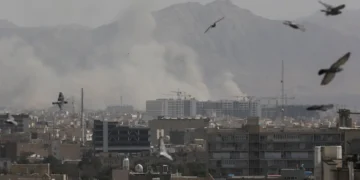
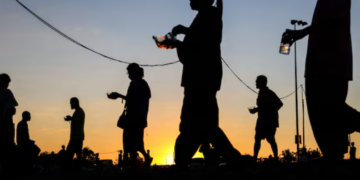
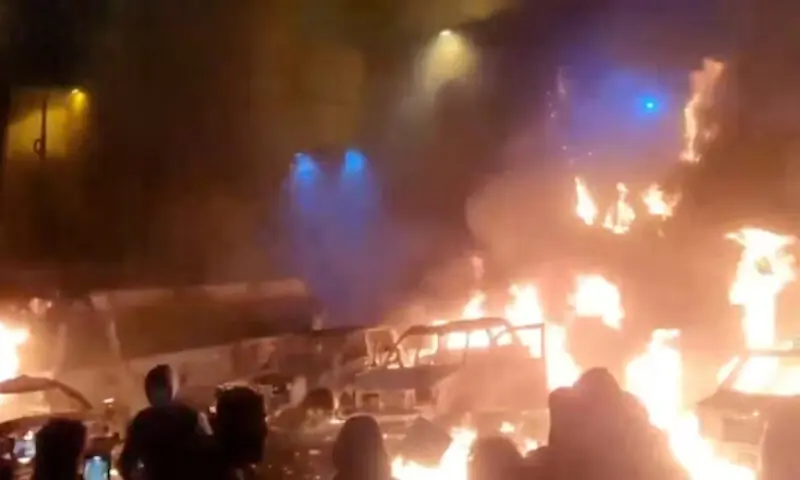
Despite a continuing internet shutdown, large demonstrations were reported late Friday following the biggest protests of the movement on Thursday. Images verified by international media and videos circulating on social platforms showed crowds gathering in Tehran and several other cities.
Internet monitoring group NetBlocks said early Saturday that the nationwide blackout had entered its 36th hour, deepening concerns among activists that security forces were using excessive force without public scrutiny.
According to the Iran Human Rights Activists News Agency, protests have taken place at more than 500 locations across 180 cities in all 31 provinces. The group reported that 50 protesters, 14 members of the security forces and one government-linked civilian had been killed, while more than 2,300 people were detained. Many injuries were caused by pellet guns and plastic bullets.
Iranian authorities have not released official figures regarding casualties or arrests.
Amnesty International said it was reviewing disturbing reports that security forces had escalated their unlawful use of lethal force against protesters, leading to further deaths and injuries.
Nobel Peace Prize laureate Shirin Ebadi warned that the communications blackout could be concealing a large-scale violent crackdown. She said reports indicated that hundreds of people had been treated for eye injuries at a single hospital in Tehran.
Norway-based Iran Human Rights said at least 51 people had been killed so far, cautioning that the true number could be significantly higher.
Protesters were seen banging pots, chanting slogans and blocking streets in Tehran’s Saadatabad and Pounak districts, while similar demonstrations were reported in Mashhad, Tabriz, Qom and Hamedan. Videos showed people dancing around fires and waving pre-revolution Iranian flags, though some footage could not be independently verified.
Reza Pahlavi, son of Iran’s last shah, praised Friday’s turnout and called for more focused protests over the weekend, urging demonstrators to take control of city centres. He also claimed he was preparing to return to Iran.
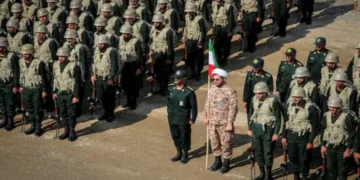
Iranian authorities say members of the security forces have been killed in the unrest. State television aired funeral footage for slain personnel, including large ceremonies in Shiraz.
Khamenei denounced protesters as vandals and blamed foreign interference, while Iran’s army vowed to defend national interests. National Security Council chief Ali Larijani said the country was facing a form of warfare directed from abroad.
Meanwhile, US President Donald Trump said Iran was facing serious instability and suggested protesters were gaining control in areas previously thought unreachable, again declining to rule out further military action.