





















































BRUSSELS, (Reuters): Russia’s earnings from exporting oil and gas fell over the last 12 months, even though the country increased its oil export volumes, according to data released on Tuesday, marking the fourth anniversary of Moscow’s full-scale invasion of Ukraine.

Russia depends heavily on energy revenues to finance its war in Ukraine. This reliance has led Western countries to impose increasingly strict sanctions on Russian fuel exports in an effort to weaken its military capabilities.
An analysis by the Centre for Research on Energy and Clean Air (CREA) found that Russia earned 193 billion euros from exports of oil, gas, coal, and refined products in the 12-month period ending February 24, 2026. This represents a 27% decrease compared to the period before the invasion.
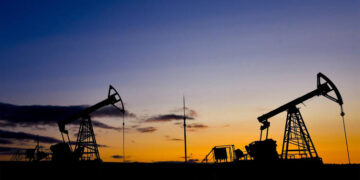
Although Russia’s gas exports have sharply declined since 2022, sanctions have not significantly reduced oil export volumes. Instead, they have forced Russia to sell oil at lower prices. According to CREA, Russia’s revenues from crude oil exports fell 18% year-on-year over the last 12 months.
However, crude export volumes remained 6% higher than pre-invasion levels, reaching 215 million tonnes.In response to Western sanctions, Russia has redirected most of its seaborne crude exports to China, India, and Turkey. It has often used a “shadow fleet” of older, uninsured tankers to bypass sanctions.
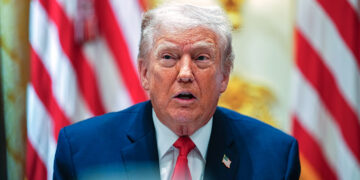
Stricter restrictions may further impact Russian fuel exports this year. U.S. President Donald Trump has made reducing reliance on Russian crude a condition in trade discussions with India.
The European Union is considering a broad ban on businesses that support Russia’s seaborne crude exports, going beyond previous sanctions. However, the EU failed to approve these sanctions on Monday after Hungary vetoed them due to a dispute over a damaged Ukrainian oil pipeline.
Currently, Russia exports more than one-third of its oil using Western tankers and shipping services. The proposed EU ban would end this practice, which primarily supplies India and China, and could also make the G7 price cap on Russian oil ineffective.