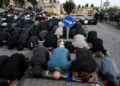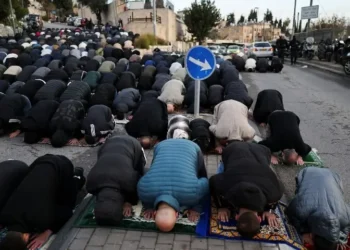




















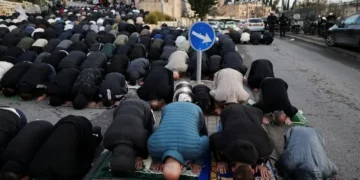







































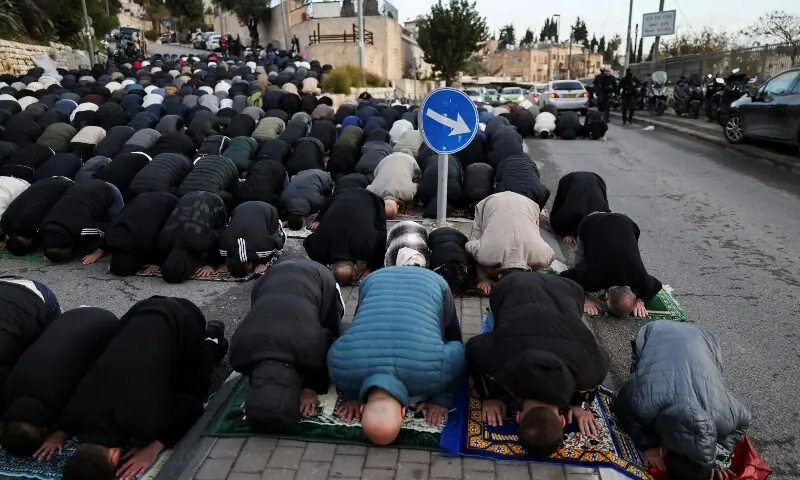
JERUSALEM (MNN); Hundreds of Muslim worshippers offered Eidul Fitr prayers outside the gates of Al Aqsa Mosque on Friday after Israel restricted access to key religious sites amid its ongoing conflict with Iran.

The closures, enforced on security grounds, have affected major holy locations in Jerusalem, including Al-Aqsa Mosque for Muslims, the Church of the Holy Sepulchre for Christians, and the Western Wall for Jews.
Worshippers gathered at the entrances of the Old City of Jerusalem, performing prayers under tight police presence after being denied entry. Many described the situation as deeply distressing, particularly during the final days of Ramazan and the Eid festival.
According to observers, this marks the first time Al-Aqsa — Islam’s third holiest site — has been closed during the last ten days of Ramazan and Eid since Israel’s annexation of East Jerusalem in 1967.
Despite attempts by crowds to enter through city gates, Israeli police pushed them back, at times using force. Worshippers eventually offered prayers near Herod’s Gate, where an imam delivered a brief sermon calling for patience and prayers for the oppressed.
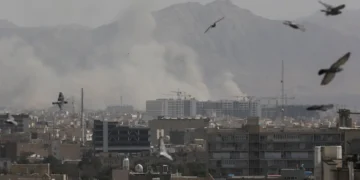
Due to security concerns and incoming missile threats, authorities have banned gatherings of more than 50 people across the country. Police reported that debris from intercepted missiles had recently fallen داخل the Old City, highlighting ongoing risks.
Typically, Eid prayers at Al-Aqsa attract around 100,000 worshippers, but this year only a few hundred managed to gather outside, reflecting the extraordinary restrictions.
Israeli police stated that prayers outside the Old City were permitted temporarily, but intervention was required when crowds exceeded limits and attempted to breach security barriers.
However, many Palestinians view the restrictions with suspicion, fearing they may signal broader changes to longstanding arrangements governing access to Jerusalem’s holy sites.
Clerics and worshippers described the closure as unprecedented and emotionally painful. “Eid without Al-Aqsa feels like a deep loss,” said one worshipper, reflecting the widespread sentiment among Muslims.