































By: Muhammad Zaeem Saqib

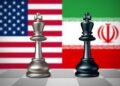
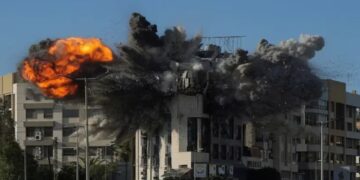
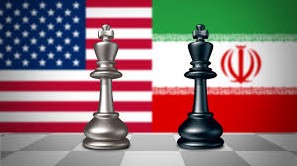
The geopolitical landscape of the Middle East and South Asia has long been shaped by complex relationships, strategic interests, and regional rivalries. Among the most significant and enduring issues is the tension between Iran and the United States, which has profound implications for regional stability, economic development, and diplomatic relations. Situated at the crossroads of these two powers, Pakistan has emerged as a key player seeking to mediate and promote dialogue aimed at de-escalation. Under Prime Minister Shehbaz Sharif’s leadership, Pakistan has actively engaged in diplomatic initiatives, leveraging its strategic location and diplomatic ties to foster peace and stability amid a volatile regional environment.
Pakistan’s strategic position is central to its role as a mediator in the Iran-US conflict. Sharing a border with Iran, Pakistan is uniquely positioned to facilitate communication and negotiations between the two countries. Its longstanding relationship with Iran, rooted in geographical proximity and historical ties, provides Pakistan with an advantage in understanding regional concerns and sensitivities. At the same time, Pakistan maintains a close relationship with the United States, which has been a significant ally in the region for decades. This dual relationship allows Pakistan to act as a diplomatic bridge, advocating for peaceful solutions while balancing its interests with both powers. The country’s role as a mediator is further reinforced by its desire to enhance regional stability, prevent conflict spillover, and safeguard its own security interests.
Since assuming office, Prime Minister Shehbaz Sharif has prioritized diplomacy and regional stability as core elements of Pakistan’s foreign policy. Recognizing the importance of de-escalating tensions between Iran and the United States, he has taken proactive steps to engage regional leaders and promote dialogue. His international visits and diplomatic outreach reflect a strategic effort to foster cooperation and peace in the region. The Prime Minister has engaged with Iranian President Masoud Pezeshkian, emphasizing the importance of diplomacy and mutual understanding. These discussions underscore Pakistan’s commitment to peace and its desire to serve as a facilitator for dialogue between Iran and the US.
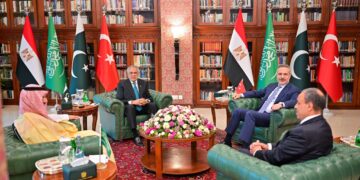
In addition to engaging Iran directly, Prime Minister Sharif has held talks with leaders from Saudi Arabia, Turkey, and Egypt—four influential countries with vested interests in Middle Eastern stability. These discussions revolve around fostering a collective approach to regional conflicts, countering extremism, and promoting economic cooperation. By involving these regional powers, Pakistan aims to create a broader coalition committed to peace, which can exert diplomatic pressure on Iran and the US to seek peaceful resolutions. Such multilateral engagement underscores Pakistan’s recognition that regional stability depends on coordinated efforts among key stakeholders.
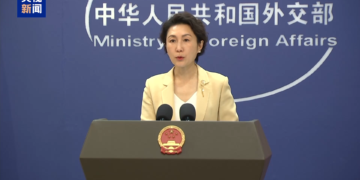
A notable aspect of Pakistan’s diplomatic efforts is its willingness to host direct talks between Iran and the United States. The Foreign Office has publicly expressed its readiness to serve as a neutral facilitator, emphasizing that diplomacy is the most effective means to resolve ongoing tensions. Pakistan’s diplomatic stance is grounded in the belief that sustained engagement and negotiation can prevent conflict escalation, promote mutual understanding, and foster long-term peace. Pakistan’s approach involves working closely with regional and global partners, including China an influential power with a long history of mediating regional disputes—as well as Turkey and Egypt, which have strategic interests in Middle Eastern stability.
Beyond diplomatic efforts, Pakistan’s military diplomacy plays a vital role in fostering regional security cooperation. Chief of Defence Staff Field Marshal Syed Asim Munir’s recent visit to Saudi Arabia exemplifies this approach. During his visit, General Munir discussed regional security concerns, including joint counter-terrorism initiatives and intelligence sharing, with Saudi officials. Saudi Arabia’s strategic importance in the Gulf Cooperation Council (GCC) makes it an essential partner in regional stability efforts. The visit signals Pakistan’s commitment to strengthening alliances and security cooperation within the region, aiming to reassure allies of its dedication to peace and stability.
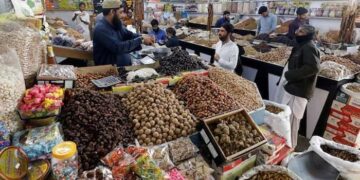
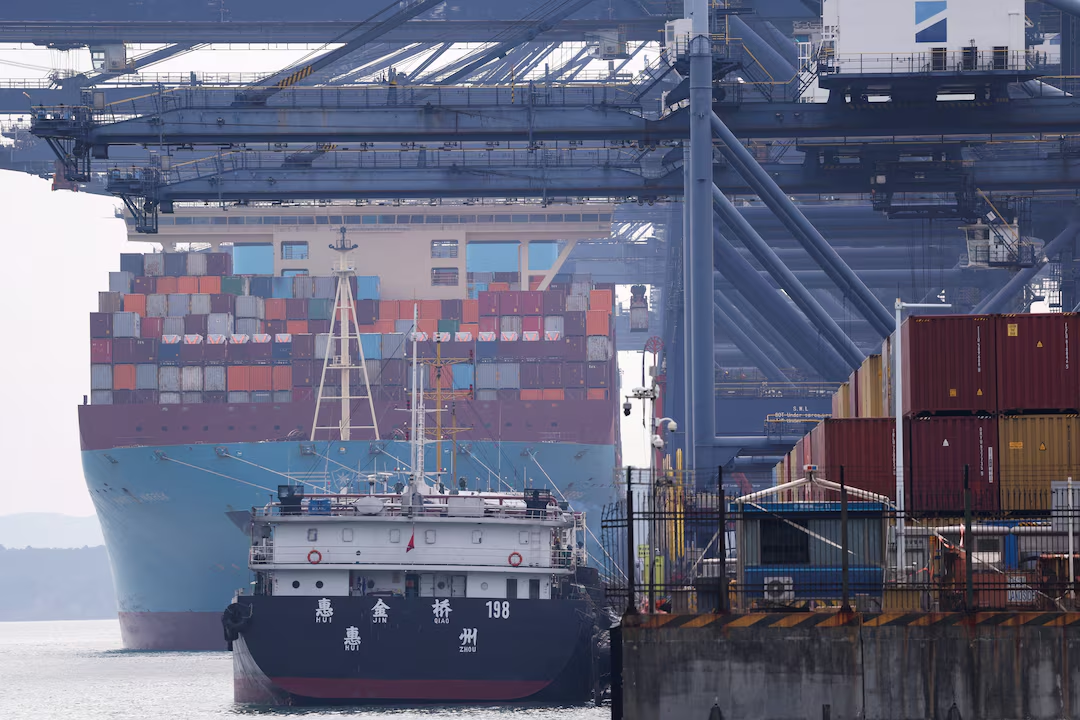
Pakistan’s diplomatic and military initiatives are complemented by domestic economic measures aimed at mitigating the economic impact of regional tensions. The Iran-US conflict has contributed to rising oil prices, inflation, and economic uncertainty, prompting the Pakistani government to implement a series of austerity measures. These measures include salary cuts for government officials, travel restrictions on foreign trips, fuel conservation policies, and work-from-home arrangements for government staff. Federal and provincial cabinet members have agreed to forgo salaries for two months, while legislators have voluntarily accepted a 25% reduction. Official foreign travel has been limited to essential purposes only, with officials required to travel in economy class. Fuel allowances for government vehicles and offices have been reduced to conserve energy, and approximately half of government employees are working remotely on alternate days to reduce operational costs. These austerity steps are designed to counteract the economic strain caused by rising global oil prices, regional instability, and disruptions in trade.
The implementation of austerity measures reflects Pakistan’s broader strategy of responsible fiscal management in times of crisis. The government recognizes that economic stability is fundamental to sustaining diplomatic initiatives and regional peace efforts. The country’s economy faces significant challenges, including a large fiscal deficit, external debt obligations, inflation, and low foreign investment. The ripple effects of the Iran-US conflict, particularly the surge in oil prices, have exacerbated these issues, leading to increased costs for everyday commodities and heightened economic insecurity for ordinary Pakistanis. Consequently, the government’s austerity measures aim to balance short-term economic pressures with long-term stability, while continuing to pursue diplomatic efforts to de-escalate regional tensions.
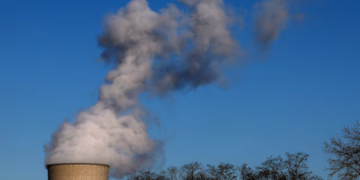
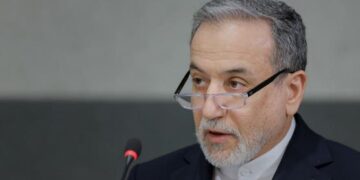
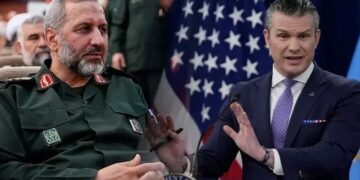
Despite Pakistan’s proactive stance, its mediation efforts face considerable challenges. Iran has expressed skepticism about Pakistan’s role as a neutral mediator, questioning whether Islamabad can truly serve as an impartial facilitator given its historical ties and strategic interests. Iran’s leadership emphasizes that while Pakistan is a neighbor and regional player, the country must demonstrate neutrality and genuine commitment to Iran’s concerns. Meanwhile, the United States maintains firm demands that Iran meet specific conditions, including halting nuclear activities and addressing regional security issues. Washington’s stance complicates diplomatic negotiations, as Iran perceives US demands as threats to its sovereignty and regional influence. The differing expectations of Iran and the US create a delicate diplomatic environment, requiring Pakistan to navigate carefully between the two powers.
Regional actors such as Israel, Saudi Arabia, and the Gulf states further influence the dynamics of the Iran-US conflict. These countries often pursue their own strategic interests, which sometimes conflict with Pakistan’s diplomatic goals. For instance, Saudi Arabia and the United Arab Emirates are wary of Iran’s regional ambitions and have supported policies aimed at containing Iranian influence. Pakistan, therefore, must manage its relationships with these countries while maintaining neutrality and a commitment to regional peace. Domestic politics and public opinion also influence Pakistan’s foreign policy decisions. Leaders must balance regional diplomacy with internal political stability, economic priorities, and national security concerns. These complex considerations make Pakistan’s mediating role both vital and challenging.
Looking ahead, the prospects for peace in the Iran-US conflict remain uncertain. The underlying issues—nuclear proliferation, regional influence, and ideological differences—are deeply rooted and difficult to resolve quickly. Nevertheless, Pakistan’s role as a mediator remains crucial. Its strategic position, diplomatic outreach, and efforts to foster regional cooperation provide an essential platform for dialogue and peacebuilding. Continued engagement with Iran, the US, and regional partners, coupled with multilateral efforts involving China, Turkey, Egypt, and international organizations, can create the conditions for a peaceful resolution. Sustainable peace will require patience, mutual concessions, and persistent diplomacy from all involved parties.
Recent developments in the region have heightened interest in understanding the dynamics at play. Iran’s reluctance to participate in talks mediated by Islamabad is largely driven by geopolitical and diplomatic factors. Iran’s concerns about Pakistan’s close ties with Saudi Arabia and the UAE, coupled with Islamabad’s alignment with the US, have led to trust deficits. The ongoing conflict in Afghanistan and Iran’s strained relations with the Taliban-led government—supported by Pakistan—further complicate matters. These factors have implications for regional stability, as Iran’s isolation could exacerbate tensions and undermine peace efforts.
The Iran war has significantly impacted Pak-Arab relations, with economic, diplomatic, and security dimensions at play. Pakistan’s relations with Arab countries, particularly Saudi Arabia and the UAE, have strengthened through increased economic cooperation and diplomatic support. However, this has come at the cost of strained ties with Iran. The conflict has also influenced regional alliances, with Pakistan’s foreign policy toward Arab countries being shaped by its security and economic interests.
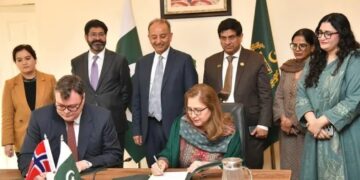
The outcome of the Foreign Ministers’ conference held in Islamabad is expected to have a significant impact on regional peace and stability. The conference aimed to promote regional cooperation and address common security challenges. The participation of key countries and their commitment to work together on issues like counter-terrorism and trade could lead to increased stability. However, the absence of Iran and ongoing regional tensions pose challenges to achieving lasting peace.