













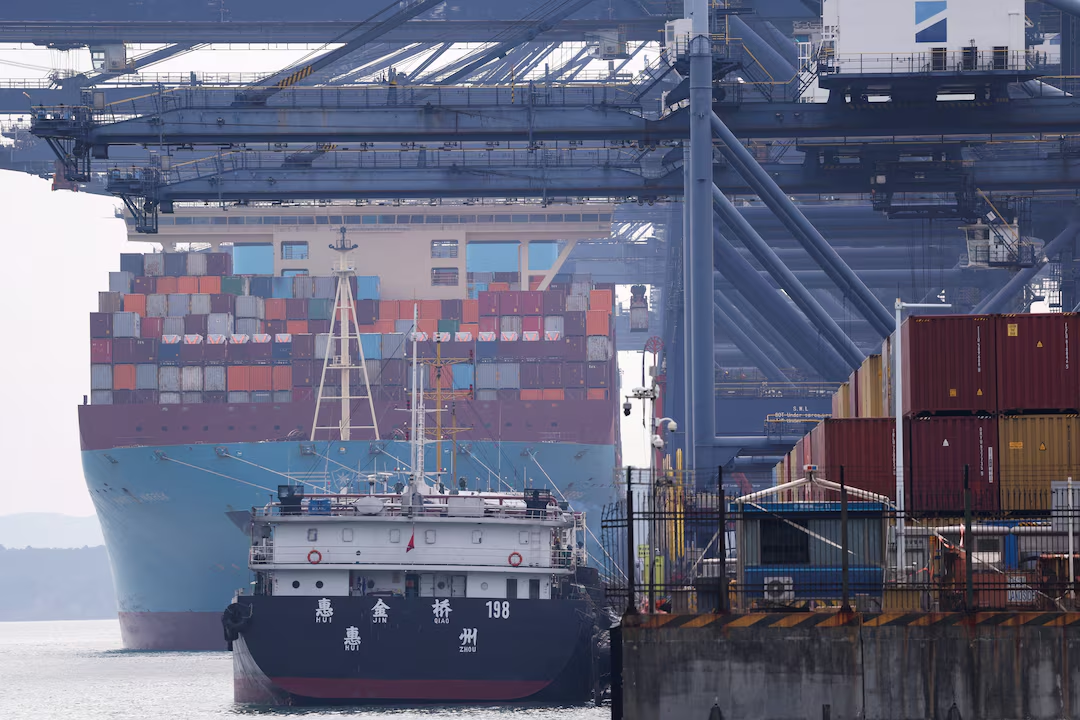













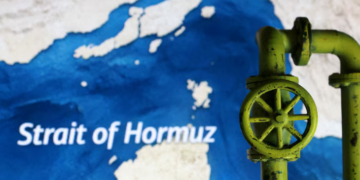








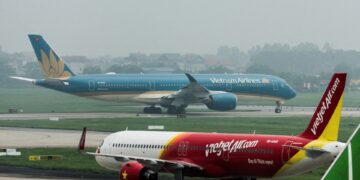

























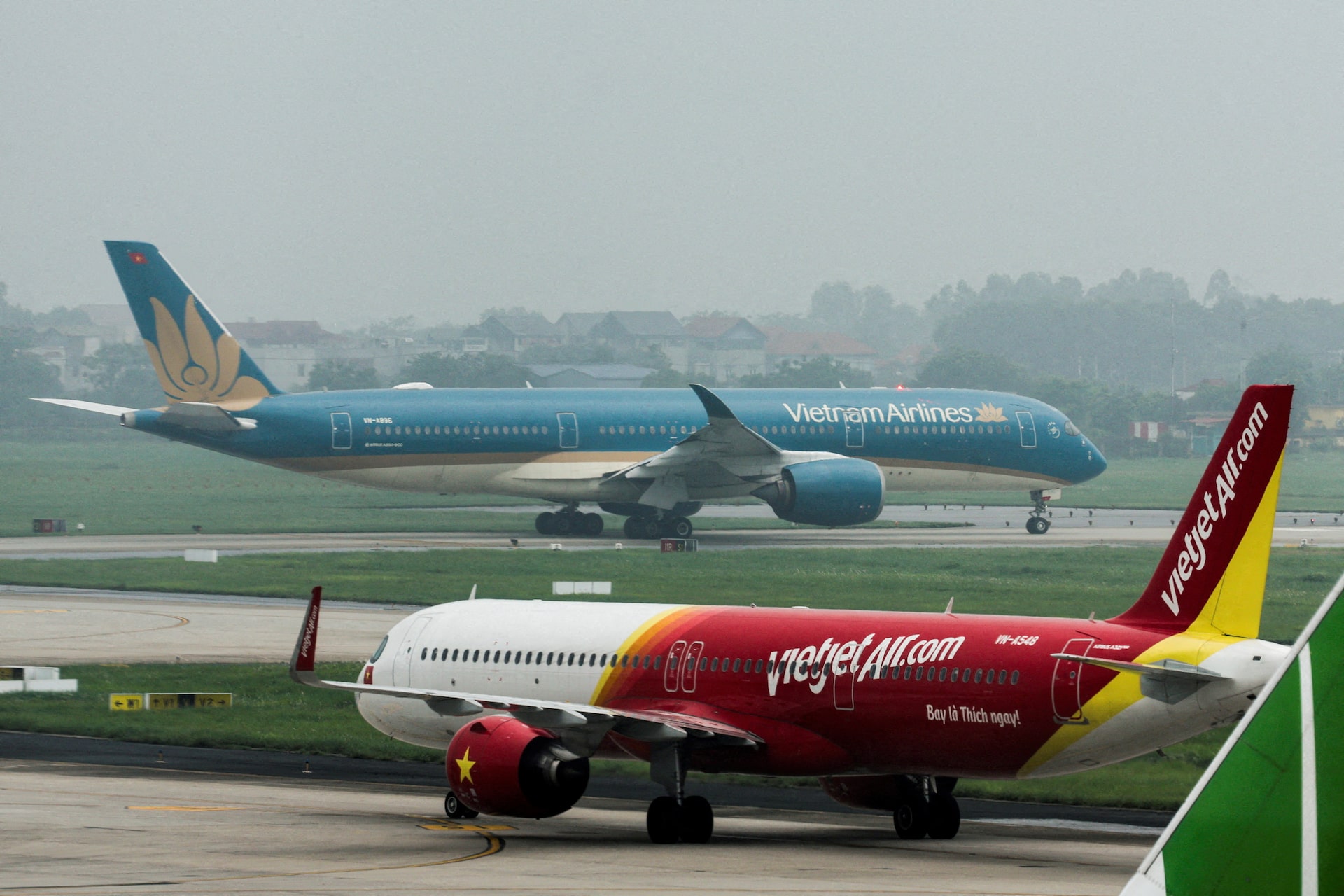
Reuters: Airlines across Asia are cutting flights, carrying extra fuel, and adding refuelling stops as the Middle East conflict disrupts jet fuel supplies and drives up costs. The situation worsened after Iran closed the Strait of Hormuz, cutting off nearly 21% of global seaborne jet fuel supply. Unlike past oil shocks that mainly raised prices, this crisis is also limiting physical supply, raising concerns about rationing. Countries in Asia, Europe, and Africa are most affected, particularly import-dependent markets like Vietnam, Myanmar, and Pakistan. China and Thailand have halted jet fuel exports, while South Korea has capped them.

Airlines are responding in several ways:
Loading extra fuel at departure airports (“tankering”)
Adding refuelling stops
Reducing cargo loads
Cutting flight capacity
AirAsia X has started carrying extra fuel from Malaysia for flights to Vietnam due to fuel limits there. Vietnam Airlines has cut 23 domestic flights per week, while Myanmar carriers have suspended or reduced services due to shortages. Air India is making refuelling stops in Kolkata on routes from Yangon, and Pakistan has advised pilots to carry maximum fuel from abroad. However, tankering increases costs because heavier aircraft burn more fuel.
Rising jet fuel prices—more than doubling since the conflict began—have forced airlines to increase fares and impose fuel surcharges, reducing demand. Batik Air Malaysia has cut domestic capacity by 36%, calling it a “crisis-mode” response. Despite these cuts, demand is not falling fast enough to match supply shortages. Around 400,000 barrels per day of jet fuel supply have been affected, while flight cancellations have only reduced demand by 50,000–100,000 barrels per day.
Analysts warn that deeper flight cuts may be needed if the crisis continues, especially if high fuel costs slow economic activity later in the year.