






























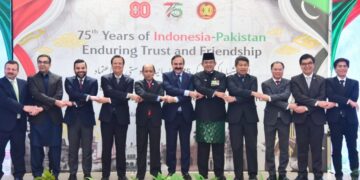










Pakistan has maintained a formal relationship with the Association of Southeast Asian Nations (ASEAN) as a Sectoral Dialogue Partner since 1993, a relationship that was further institutionalized through the ASEAN-Pakistan Joint Sectoral Cooperation Committee (APJSCC) in 1999.

To better understand the significance of this partnership, it is important to examine ASEAN itself. Founded on August 8, 1967, in Bangkok, the Association of Southeast Asian Nations (ASEAN) emerged as a beacon of regional cooperation during a period of post-colonial instability and political tension. The organization was established by five visionary leaders: Adam Malik (Indonesia), Narciso R. Ramos (Philippines), Tun Abdul Razak (Malaysia), S. Rajaratnam (Singapore), and Thanat Khoman (Thailand). Their signing of the Bangkok Declaration laid the groundwork for what is now recognized as the most successful regional organization in the developing world. Over the decades, the bloc expanded from its original five members to include Brunei Darussalam (1984), Viet Nam (1995), Lao PDR and Myanmar (1997), Cambodia (1999), and, most recently, Timor-Leste in October 2025, bringing the total membership to eleven states.
A major step in ASEAN’s institutional development came with the ASEAN Charter on 15 December 2008, which transformed the grouping into a rules-based intergovernmental organization with a formal legal personality. The Charter introduced the unifying vision of “One Vision, One Identity, One Caring and Sharing Community,” structured around three pillars: the Political-Security Community, the Economic Community, and the Socio-Cultural Community. These pillars ensure that cooperation goes beyond trade to include peace, good governance, human rights, and people-centred development. The Charter also created stronger institutions, such as the ASEAN Summit and the ASEAN Coordinating Council, enabling ASEAN to respond more effectively to challenges like economic crises and public health emergencies. Under the ASEAN Framework Agreement on Visa Exemption, citizens of ASEAN member states holding valid national passports are generally exempt from visa requirements for short‑term visits when travelling within the region, facilitating easier people‑to‑people connectivity and regional tourism. If Pakistan attains full dialogue partner status, its citizens could also benefit from the same facilities.
From an economic perspective, ASEAN has grown into a global powerhouse, largely due to the ASEAN Free Trade Area (AFTA) created in 1992, which has effectively reduced intra-regional tariffs to zero. In 2020, the region further solidified its influence by joining the Regional Comprehensive Economic Partnership (RCEP), the world’s largest trade agreement covering 30% of the global population. By 2024, the region maintained an average growth rate of over 4%, with Vietnam leading significantly at over 7%. With regional trade estimated at $3.5 trillion and Foreign Direct Investment (FDI) inflows reaching $230 billion in 2023, ASEAN has become the largest FDI recipient among developing regions. This growth is sustained by investor-friendly policies and a strategic decision to remain neutral amidst the ongoing geopolitical competition between China and the United States, allowing the region to prioritize stability, research, and development.
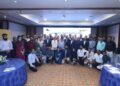
The ASEAN Committee in Islamabad serves as a platform to promote ASEAN’s relations with Pakistan, it should work towards engaging business chambers, ministries, and industries to strengthen diplomatic and economic ties. After joining the Treaty of Amity and Cooperation in Southeast Asia in 2004, Pakistan appointed its first Ambassador to ASEAN in 2010, with the mandate to strengthen ties and promote closer cooperation with the organization.
ASEAN, Pakistan Bilateral trade reached an all-time high of $11 billion in 2022, though it remains heavily concentrated in five countries: Malaysia, Thailand, Vietnam, the Philippines, and Indonesia. Pakistan enjoys strong and friendly relations with these key ASEAN member states based on shared diplomatic understanding, economic cooperation, and people-to-people ties. These countries can play a constructive role in advocating for Pakistan’s elevation to Full Dialogue Partner status. By leveraging these relationships through active diplomacy, increased trade collaboration, and joint initiatives, Pakistan can strengthen its case within ASEAN and build a wider consensus among member states for deeper institutional partnership.
Beyond trade, Pakistan also contributes to the region’s human capital by offering 13 annual scholarships in medicine and engineering through the Pakistan Technical Assistance Programme (PTAP) and by managing the ASEAN-Pakistan Cooperation Fund. Despite these foundations, a significant trade deficit exists, with Pakistan’s exports standing at roughly $3 billion against $8.8 billion in imports, suggesting a clear need for a more proactive and strategic engagement.
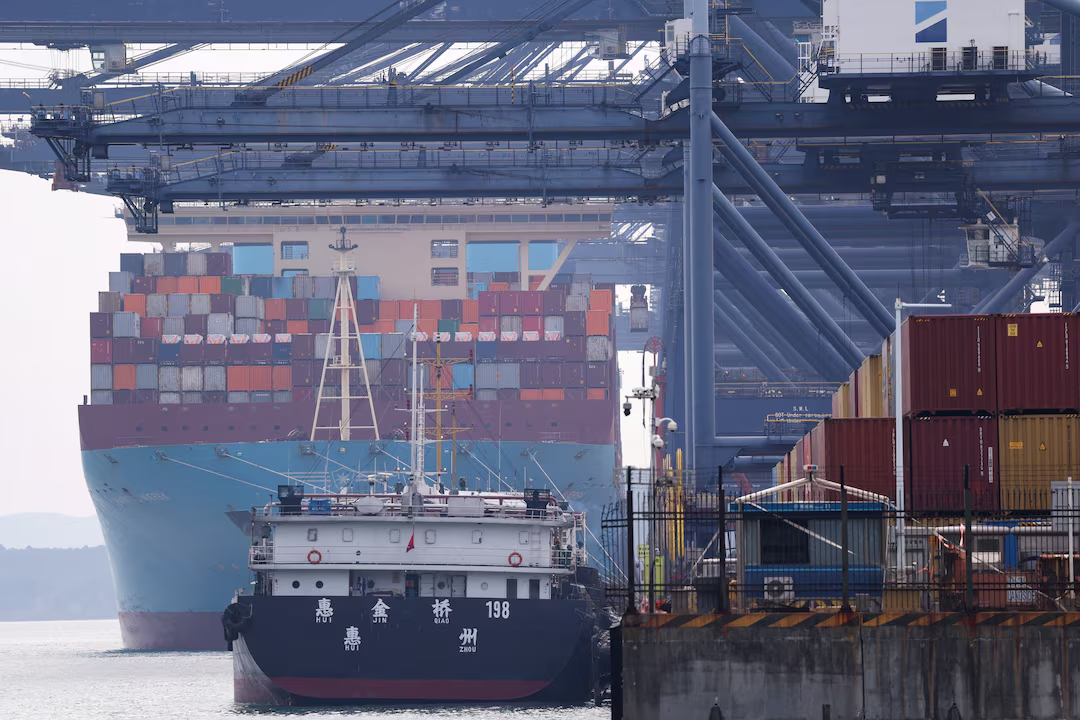
To truly benefit from this evolving partnership, Pakistan must move beyond traditional diplomacy and focus on deep economic integration. There is a massive opportunity to leverage the “Gateway to Central Asia” concept, where Pakistan’s ports could serve as the primary transit route for ASEAN goods heading toward landlocked markets. At the same time, Pakistan must create appealing investment opportunities for ASEAN member states in sectors such as tourism, transport, and technology. It is equally important to concentrate on products and services where Pakistan has a competitive edge and that are in strong demand within ASEAN markets. In my opinion, Pakistan should rigorously pursue a Full Dialogue Partnership by increasing diplomatic engagement and strengthening trade institutions. Pakistan can move from being a limited partner to becoming a more important partner for ASEAN in the Indo-Pacific region.
[The writer is a media graduate, serving as the Head of Communications at the Center for Democracy and Climate Studies, and as an International Expert at Diplomatic Affairs. She can be reached at sibgharauf64@gmail.com]