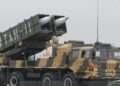

























































NEWS DESK (MNN); Pakistani security forces carried out airstrikes inside Afghanistan, killing more than 80 militants in what officials described as a retaliatory action against groups behind recent suicide attacks in Pakistan.

According to the Ministry of Information and Broadcasting, Pakistan targeted seven militant camps and hideouts along the Pakistan-Afghanistan border. The facilities were said to belong to the banned Tehreek-i-Taliban Pakistan (TTP), referred to by the state as Fitna al Khawarij, along with its affiliates and the Islamic State-Khorasan Province (ISKP).
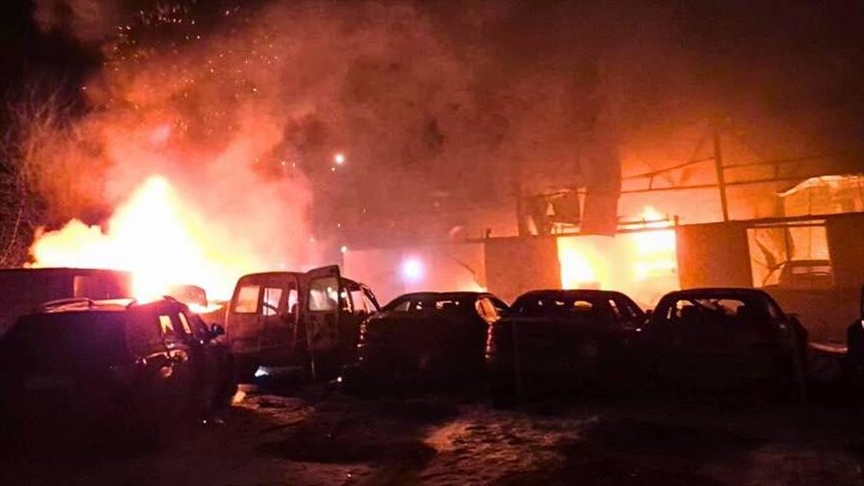
Security officials stated that intelligence-based strikes were conducted late Saturday night in the Afghan provinces of Nangarhar, Paktika and Khost. They confirmed that more than 80 militants were killed, with the toll expected to rise.
The targeted locations reportedly included New Centre No. 1 and New Centre No. 2 in Nangarhar, the Maulvi Abbas Centre in Khost, Islam Centre and Ibrahim Centre in Nangarhar, and Mullah Rahbar and Mukhlis Yar centres in Paktika.
The information ministry said the action followed a series of suicide bombings in Pakistan, including attacks at an Imam Bargah in Islamabad, incidents in Bajaur and Bannu, and another explosion in Bannu during the holy month of Ramazan.
Officials asserted that Pakistan possessed concrete evidence linking the attacks to Afghanistan-based TTP leadership and handlers. They said responsibility for the assaults had been claimed by militants affiliated with Fitna al Khawarij and ISKP.
The ministry emphasized that while Pakistan remains committed to regional peace and stability, ensuring the safety of its citizens is its foremost priority. It described the strikes as a selective, intelligence-driven and proportionate response.
Pakistan also accused the Afghan Taliban government of failing to prevent its territory from being used by militant groups despite repeated requests. Islamabad urged the interim Afghan authorities to fulfill their obligations and prevent cross-border terrorism, and called on the international community to press the Taliban to uphold commitments made under the Doha Agreement.
Parliamentary Affairs Minister Tariq Fazal Chaudhry said the Pakistan Air Force strikes were retribution for innocent lives lost to terrorism. He warned that Pakistan seeks peace but will not compromise on its security, territory or people.
In response, the Taliban administration in Kabul condemned the airstrikes as a violation of Afghan sovereignty. Afghanistan’s foreign ministry summoned Pakistan’s ambassador and described the strikes as provocative, alleging civilian casualties. Pakistani authorities rejected these claims as false and accused militants of using civilian areas as cover.
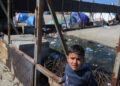
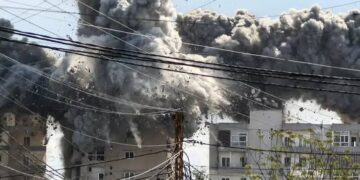
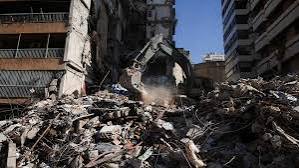
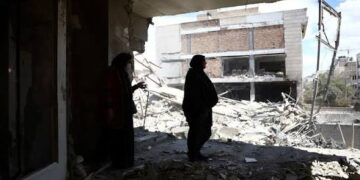
Images from Bihsud district in Nangarhar showed rescue efforts underway at a damaged building reportedly struck in the operation.
Tensions between the two countries have intensified since the Afghan Taliban returned to power in 2021. Islamabad has repeatedly called on Kabul to dismantle TTP sanctuaries inside Afghanistan.
The latest escalation follows a February 16 vehicle-borne suicide attack on a joint security post in Bajaur, near the Afghan border. Eleven Pakistani soldiers were martyred, along with a young girl, and several others were injured. Investigators identified the bomber as an Afghan national linked to the Taliban’s special forces in Balkh province. The TTP claimed responsibility.
On February 21, a lieutenant colonel and a soldier were also martyred in a suicide attack during an intelligence-based operation in Bannu district.
The military reiterated that militants were using Afghan soil to carry out attacks in Pakistan, violating the sanctity of Ramazan. The Inter-Services Public Relations (ISPR) stated that operations would continue against those responsible, regardless of their location.
Earlier, Defence Minister Khawaja Asif had warned that Pakistan would not hesitate to strike inside Afghanistan if cross-border attacks persisted.
Previous cross-border tensions included reported airstrikes in Khost, Kunar and Paktika provinces last year, as well as deadly clashes along the Pak-Afghan border in October 2025 that resulted in significant casualties on both sides.