





































































Web Desk (MNN); Chief of Defence Forces Field Marshal Asim Munir has said that Afghanistan will have to make a clear choice between Pakistan and Fitna Al Khawarij, as militant violence originating from across the border continues to claim the lives of innocent Pakistanis.

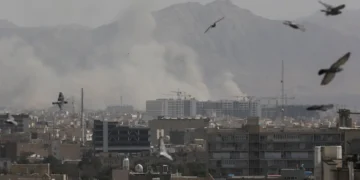
He said that terrorism emanating from Afghan soil has resulted in the killing of civilians, including women and children, and can no longer be ignored.
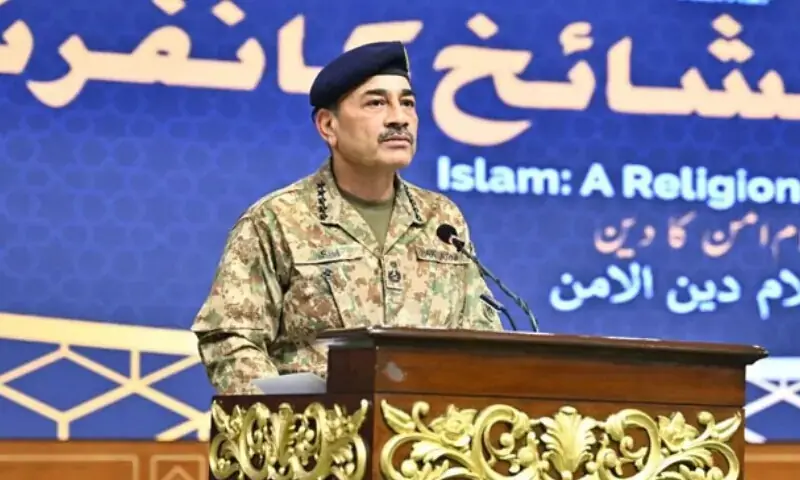
Field Marshal Asim Munir made these remarks while addressing the National Ulema and Mashaikh Conference held in Islamabad on December 10, 2025. The conference was attended by religious scholars and clerics representing all schools of thought from across the country.
In his comprehensive address, the Chief of Army Staff and Chief of Defence Forces discussed terrorism, national security challenges, Pakistan’s changing role at the global level, military readiness, and the critical importance of knowledge and intellectual development.
Quoting verses from the Holy Quran and references from classical poetry, the field marshal shared his vision for Pakistan, stating that Allah had honoured the country with the responsibility of safeguarding the Haramain Sharifain.
He highlighted the strong ideological and historical link between Riyasat-e-Tayyaba and the State of Pakistan, noting that both came into existence on the foundation of Kalima during the holy month of Ramadan.
Referring to counterterrorism efforts, he said that divine support was clearly evident during Operation Bunyan-un-Marsoos.
While discussing terrorism and religious interpretation, Field Marshal Asim Munir stressed that no individual or group has the authority to declare jihad in any Islamic state, adding that such decisions rest solely with the state.
Addressing the regional security situation, he stated that terrorist activities against Pakistan were being carried out with the support of the Afghan Taliban. He claimed that nearly 70 percent of militants involved in Fitna Al Khawarij attacks originating from Afghanistan were Afghan nationals.
“In these circumstances, Afghanistan will have to choose between Fitna Al Khawarij and Pakistan,” he said.
He also underlined the significance of knowledge, intellect and the power of the pen, warning that nations which neglect scholarship and intellectual thought ultimately face decline.
Participants at the conference termed the address timely and relevant, and emphasised the role of religious scholars in fostering peace and stability in the country.