














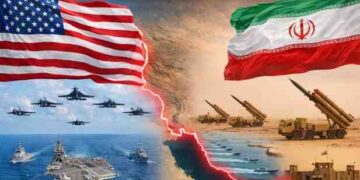







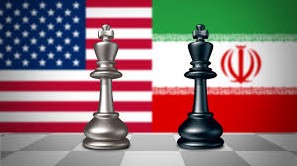






























ISLAMABAD (MNN); The United States Central Command (CENTCOM) has announced the enforcement of a sweeping maritime blockade on Iranian ports and related sea routes, following the collapse of US-Iran ceasefire talks held in Pakistan.

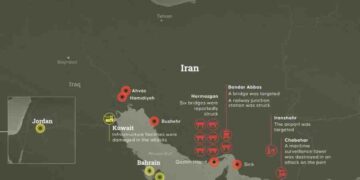
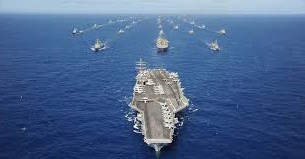
CENTCOM said the blockade will begin on Monday and will be enforced “impartially against vessels of all nations,” while still allowing transit between non-Iranian ports through the Strait of Hormuz. The move comes as part of Washington’s effort to limit Iran’s influence over a key global energy corridor.
US President Donald Trump also confirmed that the US Navy would begin interdicting vessels in international waters that have paid tolls to Iran, stating that no ship would be granted “safe passage” if it contributed to what he described as illegal charges. He further warned that the policy would ensure “all or none” access through the Strait.
The escalation follows the breakdown of high-stakes negotiations between the United States and Iran in Islamabad, which ended without agreement despite intensive diplomatic efforts facilitated by Pakistan.
The talks collapsed amid deep divisions over Iran’s nuclear programme. US Vice President JD Vance said Washington demanded firm guarantees that Iran would not pursue nuclear weapons, while Iranian negotiators rejected key US demands, including limits on uranium enrichment and dismantling of nuclear facilities.
Iranian Parliament Speaker Mohammad Bagher Ghalibaf warned that confrontation would be met with equal response, saying, “If you fight, we will fight.”
Iran’s Revolutionary Guards claimed the Strait of Hormuz remains under full control and warned that military vessels would face a forceful response, though civilian shipping would not be targeted.
Analysts have warned that a US blockade could further destabilize global energy markets, given that the Strait handles a significant share of the world’s oil trade.
Pakistan has urged continued diplomacy. Foreign Minister Ishaq Dar said Islamabad would keep facilitating dialogue between all parties, while regional actors including Oman and Russia called for renewed negotiations and de-escalation.
Despite growing tensions, Iran has indicated it remains open to continuing diplomatic engagement, though major disagreements remain unresolved over nuclear restrictions and regional security conditions.