












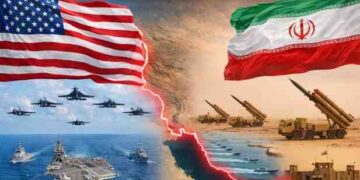
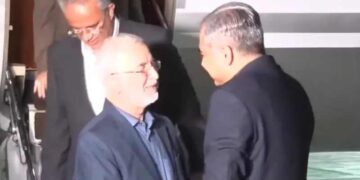


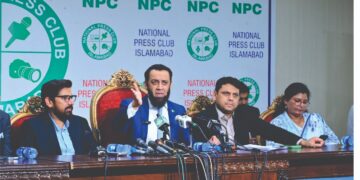



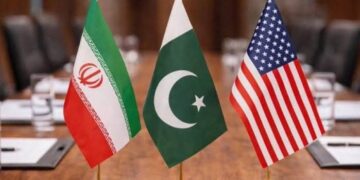



























Reuters: Senior U.S. and Iranian officials met in Islamabad on Saturday with Pakistani intermediaries, as Tehran outlined conditions it says must be met before direct negotiations to end their six-week war.

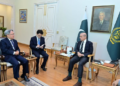
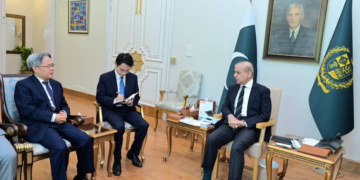
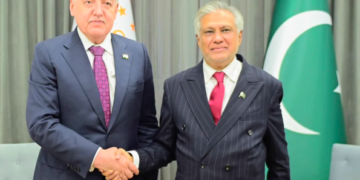
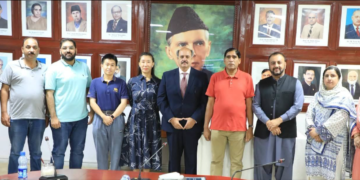
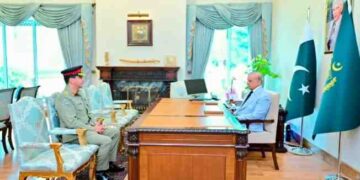
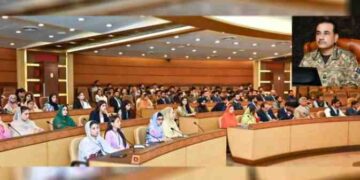
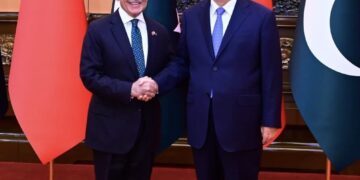
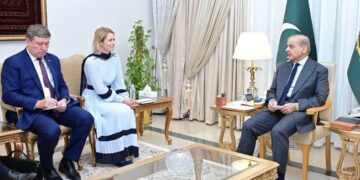
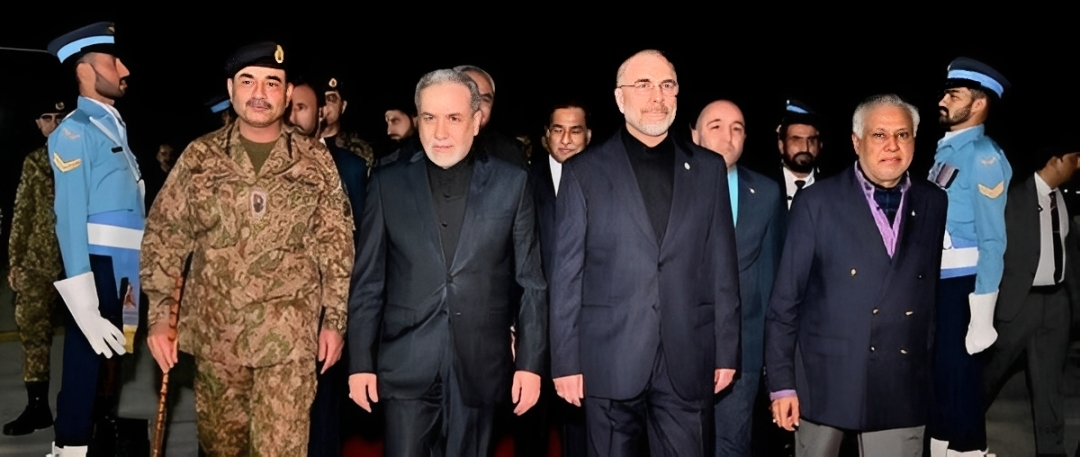
Prime Minister Shehbaz Sharif held separate meetings with U.S. Vice President JD Vance, special envoy Steve Witkoff, and Jared Kushner, as well as with the Iranian delegation led by Parliamentary Speaker Mohammad Baqer Qalibaf and Foreign Minister Abbas Araqchi.
Iran’s delegation presented key demands, including a ceasefire in Lebanon, relief from sanctions, release of frozen assets, compensation for war damage, and control over the Strait of Hormuz. A senior Iranian source claimed the U.S. had agreed to unfreeze Iranian funds held abroad, but a U.S. official denied this. Tehran described the alleged move as a positive signal, while Washington continues to push for reopening the Strait of Hormuz to global shipping.
Iran signaled caution ahead of talks, stating it would negotiate while remaining prepared for escalation. Despite a recently announced ceasefire between the U.S. and Iran, fighting continues in Lebanon. Israeli strikes and Hezbollah operations persisted, with casualties rising and tensions unresolved.
The U.S. and Israel maintain that the Lebanon conflict is separate from the Iran-U.S. ceasefire. The talks in Islamabad are considered potentially the highest-level engagement between the two countries in decades. However, major disagreements remain, particularly over regional conflicts and economic restrictions.
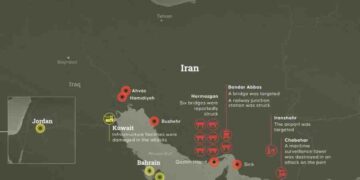
Iran is also seeking recognition of its authority over the Strait of Hormuz, a critical route for global energy supplies. Ongoing disruption there has already impacted international markets and contributed to inflation.
Meanwhile, broader regional tensions continue, with parallel conflicts involving Iran’s allies adding complexity to any potential agreement.