





































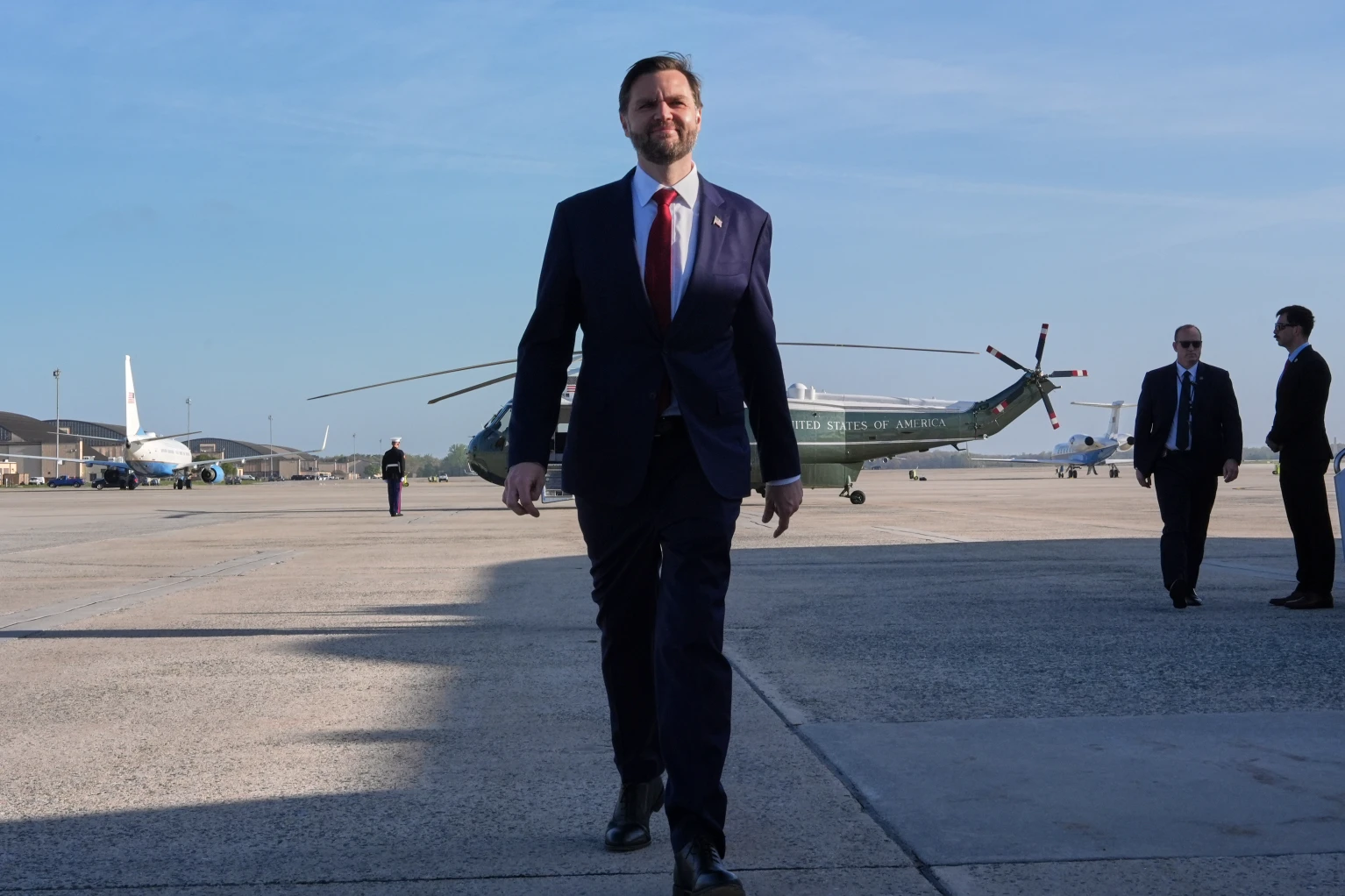
WASHINGTON / ISLAMABAD (MNN); US Vice President JD Vance has warned Iran against attempting to “play” the United States as he departed for crucial negotiations in Islamabad aimed at ending the ongoing conflict.

US President Donald Trump has tasked Vance—previously seen as cautious about foreign military interventions—with leading efforts to secure a resolution to the six-week-long war with Iran.
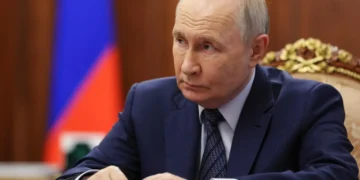
Speaking before boarding Air Force Two, Vance said Washington remains open to dialogue if Iran engages sincerely. However, he cautioned that any attempt at manipulation would be met with a firm response from the US negotiating team.
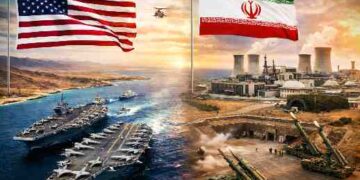
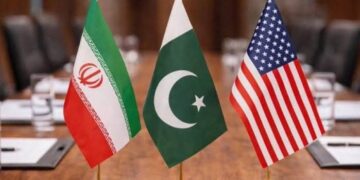
The talks, set to begin Saturday in Islamabad, highlight a rare moment of high-level engagement between the US and Iran. The gap between both sides’ demands, however, remains significant, particularly over Iran’s nuclear and ballistic programs and its regional influence.
Iranian Parliament Speaker Mohammad Bagher Qalibaf, who arrived in Islamabad alongside senior officials including Foreign Minister Abbas Araghchi, reiterated that a ceasefire in Lebanon and the release of frozen Iranian assets must precede formal negotiations.
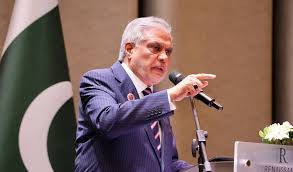
The Iranian delegation also includes senior figures such as Ali Akbar Ahmadian and Central Bank Governor Abdolnasser Hemmati. They were received by Pakistan’s Deputy Prime Minister and Foreign Minister Ishaq Dar and other top officials.
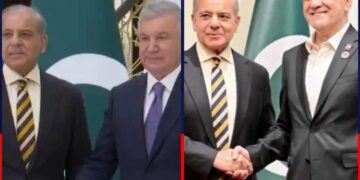
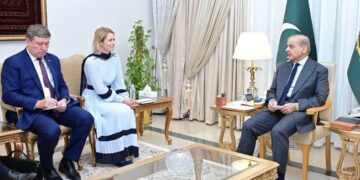
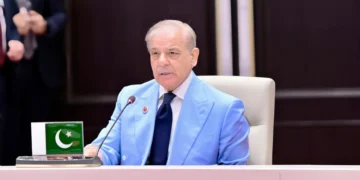
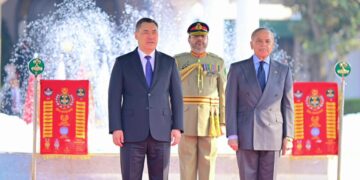
Prime Minister Shehbaz Sharif described the upcoming dialogue as a “make-or-break moment,” stressing the importance of achieving lasting peace beyond the current temporary ceasefire.
Vance is accompanied by US Special Envoy Steve Witkoff and senior adviser Jared Kushner, both of whom have previously engaged in indirect negotiations with Iran.
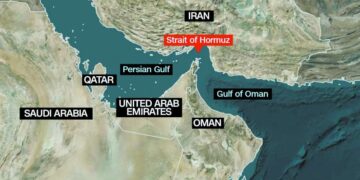
Tensions remain high over key issues, including the status of Lebanon and the reopening of the Strait of Hormuz, which Iran had closed in response to Israeli operations against Hezbollah. The closure has disrupted global trade and contributed to rising inflation in the United States.
Despite challenges, President Trump expressed confidence that the strategic waterway would soon reopen, “with or without” Iran’s cooperation.
The negotiations mark a critical test for Vance, who has limited diplomatic experience but now faces one of the most complex geopolitical challenges. Analysts say his cautious stance on military intervention may make him a more acceptable interlocutor for Tehran, though the stakes remain exceptionally high.