
















































ISLAMABAD: The Asian Development Bank (ADB) has projected Pakistan’s economic growth at 3.5% for FY2026, with an improvement to 4.5% expected in FY2027. However, it has cautioned that ongoing tensions in the Middle East pose significant risks to the country’s economic stability.

In its Asian Development Outlook April 2026, the ADB highlighted that economic growth will be driven by a stronger recovery in manufacturing, increased construction activity, and rising private investment. These gains are supported by improving macroeconomic conditions and renewed business confidence.
The report noted that large-scale manufacturing has already shown strong recovery in the first half of FY2026, while government incentives and post-flood reconstruction efforts have boosted the construction sector. On the demand side, private investment is expected to increase as reduced government borrowing allows more credit flow to businesses, especially small and medium enterprises and agriculture.
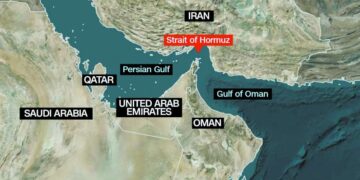
Despite the positive outlook, inflation is projected to rise to 6.4% in FY2026 and 6.5% in FY2027. The ADB attributed this to stronger domestic demand and potential disruptions in wheat and energy supplies, particularly oil and liquefied natural gas from regions near the Strait of Hormuz.
The bank warned that a prolonged Middle East conflict could significantly impact Pakistan’s economy by increasing energy and fertiliser costs, disrupting trade, and reducing remittances from Gulf countries. These factors could widen the current account deficit and intensify inflationary pressures.
Pakistan’s heavy reliance on oil and gas imports makes it particularly vulnerable to global energy price shocks. The ADB also noted that any slowdown in Gulf economies could further affect remittance inflows, adding to external financial pressures.
The report acknowledged that Pakistan made notable progress in FY2025, with GDP growth rising to 3.1%, inflation dropping sharply to 4.5%, and foreign exchange reserves reaching $14.5 billion. Fiscal discipline improved, and the country continued to meet targets under the IMF’s Extended Fund Facility.
However, the ADB stressed that risks remain high and warned policymakers against relaxing economic discipline. It cautioned that overly loose policies could trigger balance-of-payments issues and reverse recent stability gains.
Looking ahead, the bank emphasized the need for continued structural reforms in key sectors such as energy, taxation, trade, and state-owned enterprises. It also recommended increased investment in agriculture—estimated at $220 million—to meet climate goals by 2030 and strengthen sector resilience.
Regionally, the ADB noted that the Middle East conflict is creating uncertainty across developing Asia, with rising energy costs expected to drive up production expenses and consumer prices.
Overall, while Pakistan’s economic outlook shows signs of recovery, sustained reforms and careful policy management will be critical to maintaining stability and navigating external risks.