









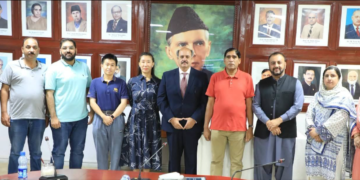




















































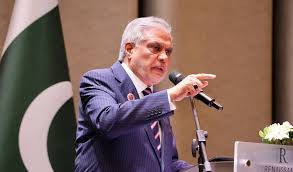







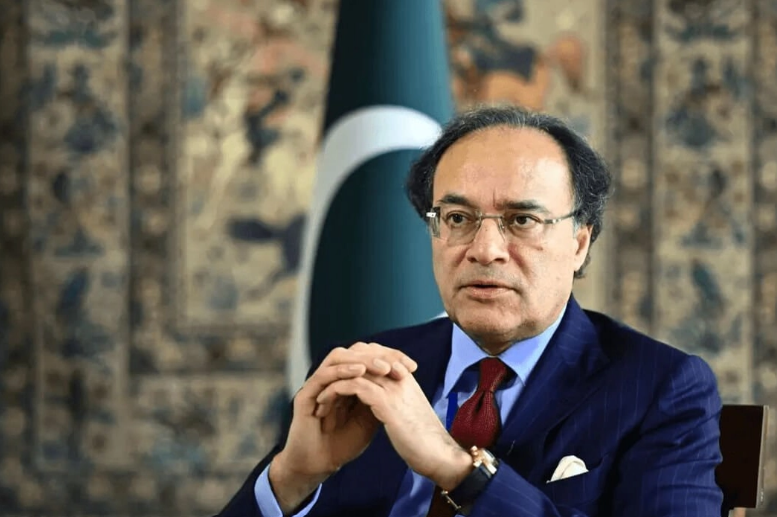
ISLAMABAD: Finance Minister Muhammad Aurangzeb on Wednesday acknowledged that some companies are exiting Pakistan due to high taxes and costly energy, while emphasizing that the government is fully aware of the economic hurdles.

He noted that despite these challenges, 20 new foreign investors including Google, Aramco, Wafi Energy, and Turkish Petroleum have entered the Pakistani market in the past 18 months.
“There are firms which are also leaving that is true..if the taxation is high or the energy cost is high or its financing cost is always moving in the right direction, those have been real issues,” Aurangzeb said during the Pakistan Policy Dialogue in Islamabad. He added that high taxes and energy costs remain a “real problem for businesses,” and highlighted that government reforms are underway to ease the burden and bring economic stability.
The finance minister also discussed the business models of departing firms: “But those firms which have been able to look at business models..because it takes two to tango, what the government has to do, and what the private sector has to do, and if you have wedged into their business models for the last 50 years it’s not going to work in the New World Order.”
Aurangzeb pointed out that some multinational firms have adapted by switching to local sourcing, which improved their margins and enabled exports, allowing them to remain in the country. “And If another firm has not been able to do that, then that’s something we know they need to think through,” he added.
The minister said structural reforms are ongoing nationwide, including the continued transformation of the Federal Board of Revenue (FBR). “Compliance and enforcement are essential to ensure implementation of tax laws,” he noted, adding that tax policy now rests with the Ministry of Finance while the FBR focuses on revenue collection.
On state-owned enterprises, Aurangzeb revealed that inefficiencies cost nearly Rs 1 trillion annually. “According to a report, we are losing close to a trillion rupees every single year, and we can put it to much better use as we go forward,” he said.
He mentioned that as part of cost-cutting measures, Utility Stores, PWD, and PASCO were closed due to “corruption” in subsidies, and 24 organizations have been handed over to the Privatisation Commission. He also noted that PIA’s privatization attracted local investors.
Regarding public debt, Aurangzeb highlighted that interest payments remain the largest expenditure. A Debt Management Office has been established to boost efficiency, and “Last year, Rs85 billion was saved on interest payments, and similar savings are expected in the current fiscal year.”