



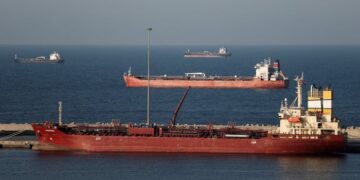
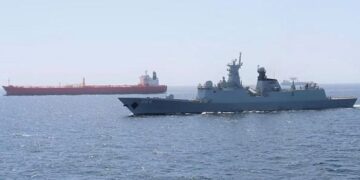















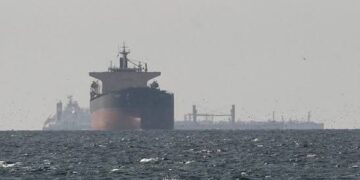
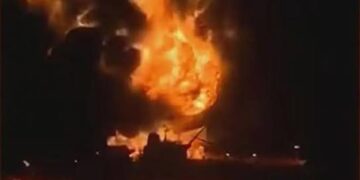




























The United States has seized a sanctioned oil tanker off the coast of Venezuela, President Donald Trump announced on Wednesday, a move that immediately pushed oil prices higher and further intensified tensions between Washington and Caracas.

“We’ve just seized a tanker on the coast of Venezuela — a very large tanker, the largest one ever — and other things are happening,” Trump said, continuing his pressure campaign on Venezuelan President Nicolas Maduro. When asked about the seized oil, he replied, “We keep it, I guess.”
This marks the first known operation targeting an oil tanker since Trump ordered a major military buildup in the region. The US has recently conducted multiple strikes on suspected drug-smuggling vessels, raising alarm among lawmakers and legal experts.
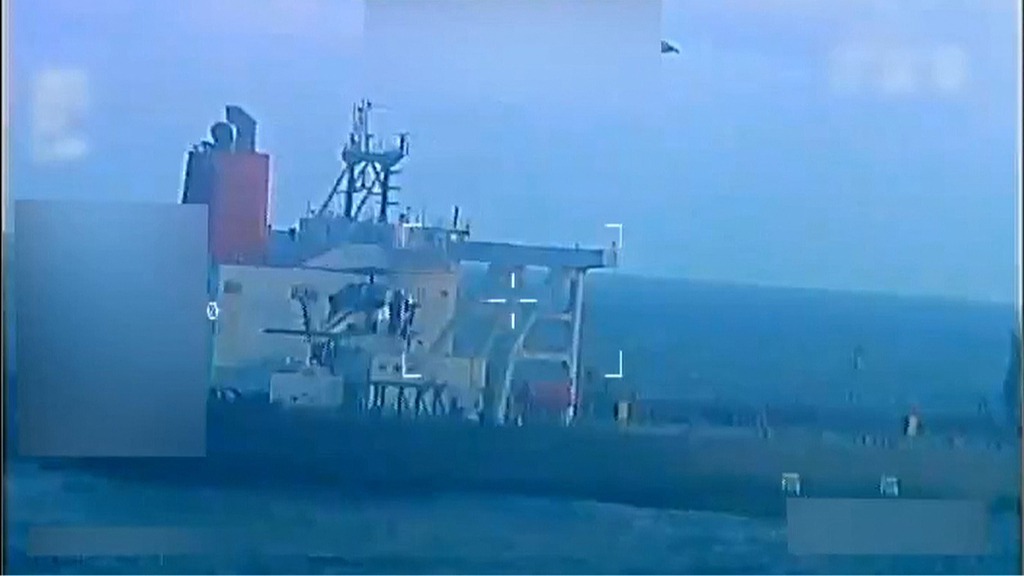
US Attorney General Pam Bondi said in a post on X that the FBI, Homeland Security, and the Coast Guard — with support from the US military — executed a seizure warrant for a crude oil tanker involved in transporting sanctioned Venezuelan and Iranian oil. She released a 45-second video showing helicopters approaching the ship and armed personnel rappelling onto the deck.
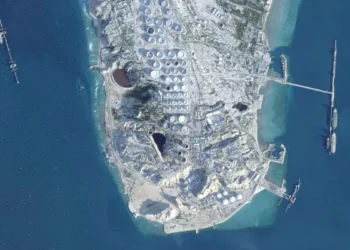
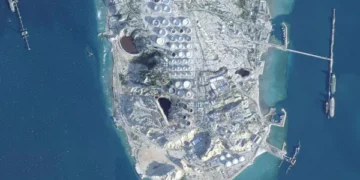
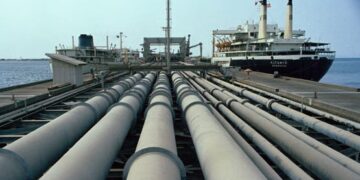
Officials have not publicly named the vessel, but UK-based maritime risk firm Vanguard reported that the tanker Skipper was likely the one seized early Wednesday. The ship had previously been sanctioned as the Adisa for participating in Iranian oil trading. According to TankerTrackers.com and internal PDVSA data, the Skipper departed Venezuela’s main oil terminal at Jose between December 4 and 5 after loading approximately 1.1 million barrels of Merey heavy crude.
Oil prices rose on news of the seizure. Brent crude settled 27 cents higher at $62.21 a barrel, while US West Texas Intermediate gained 21 cents to reach $58.46.
President Maduro, speaking at a military commemoration march on Wednesday, did not comment on the reports.
Venezuela exported more than 900,000 barrels per day of oil last month — its third-highest monthly average of the year — supported by increased naphtha imports needed to dilute heavy crude. Despite rising US pressure, Washington had not previously intervened directly in Venezuela’s oil shipments.
Competition from sanctioned Russian and Iranian crude has forced Caracas to sell its oil to China at steep discounts. Analyst Rory Johnston said the tanker seizure adds another geopolitical obstacle to already strained supplies, though it does not immediately alter the broader market because the cargo was already expected to remain unsold for some time.
Chevron, which works with PDVSA and handles all Venezuelan crude exports to the United States, said its operations remain unaffected. The company increased shipments to the US last month to about 150,000 barrels per day, up from 128,000 in October.
Maduro has repeatedly accused Washington of using its military presence in the region to topple him and seize Venezuela’s vast oil resources. Since early September, the Trump administration has conducted more than 20 strikes on suspected drug boats in the Caribbean and Pacific, killing more than 80 people — actions legal experts say may violate international law due to a lack of evidence or attempts to seize or inspect the vessels.
Concerns deepened after reports surfaced that a commander ordered a second strike that killed two survivors from an earlier attack. A Reuters/Ipsos poll released Wednesday showed widespread public opposition in the US to the deadly maritime strikes, including from about 20 percent of Trump’s own Republican base.
In a new strategic document published last week, Trump outlined a foreign policy vision centred on reasserting US dominance in the Western Hemisphere.