


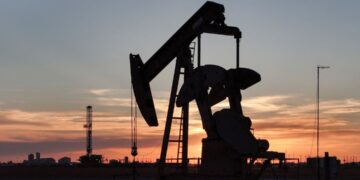







































Web Desk (MNN); The state-owned Oil & Gas Development Company Limited (OGDCL) is preparing a major expansion of its unconventional gas operations from early next year, aiming to lift domestic production and cut the country’s reliance on imported liquefied natural gas.

Pakistan has long been considered a country with significant tight and shale gas potential, though both resources require advanced drilling techniques and have not yet reached confirmed commercial production.
Managing Director Ahmed Lak told Reuters that OGDCL has expanded its tight-gas study zone from earlier estimates to 4,500 square kilometres after new seismic data and reservoir evaluations revealed broader prospects. The second phase of the technical review is expected to conclude by late January, after which full-scale development plans will be drawn up.
The renewed focus follows US President Donald Trump’s July remarks suggesting Pakistan holds “massive” oil reserves—a claim widely questioned by geological experts but one that prompted Islamabad to emphasize its ongoing efforts to develop unconventional resources.
Lak said the company’s study had grown substantially, beginning with 85 wells and now covering a much larger area. He added that the company’s new five-year strategy will look significantly different.
Initial findings indicate a sizable tight-gas potential across parts of Sindh and Balochistan, where multiple reservoirs display tight-gas characteristics.
Shale development is also accelerating. OGDCL has advanced from a single test well to a planned five-to-six-well pilot in 2026–27, with anticipated production of around 34 mmcfd per well. If successful, the programme could rapidly expand to hundreds or even more than 1,000 wells, Lak noted.
He added that shale could eventually contribute between 600 mmcfd and 1 bcf per day of additional supply, though foreign partners would be needed for expanded development. The company is open to reciprocal partnerships, including exchange of acreage overseas.
A 2015 US EIA assessment estimated Pakistan’s technically recoverable shale oil at 9.1 billion barrels—the world’s largest outside China and the United States. A 2022 study found geological similarities between parts of the Indus Basin and North American shale formations, although commercial viability still depends on improved geomechanical data, enhanced fracking capacity and water resources.
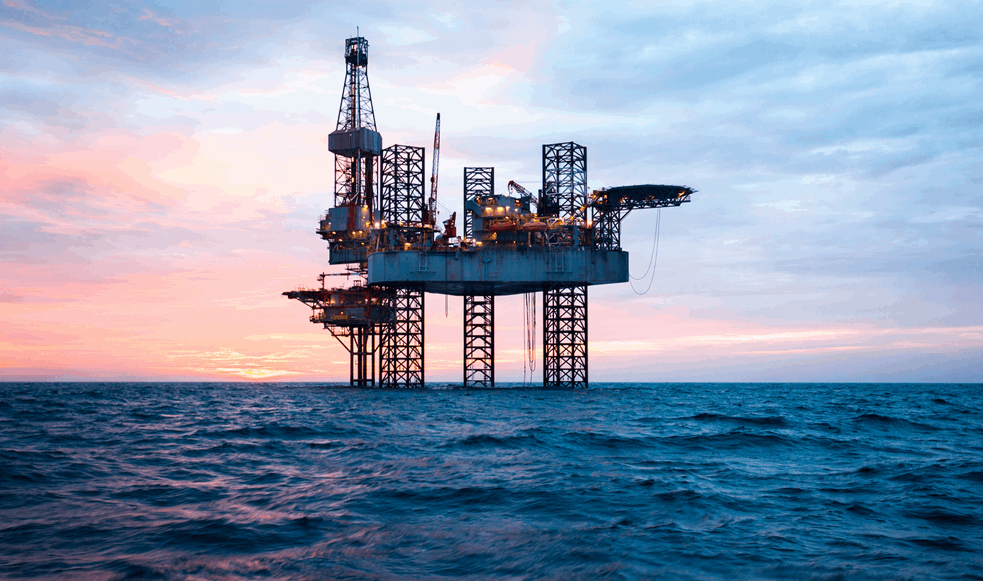
Lak said OGDCL also plans to drill a deep-water offshore well in the Indus Basin in the fourth quarter of 2026. In October, Turkey’s TPAO, along with PPL and OGDCL, secured an offshore exploration block.
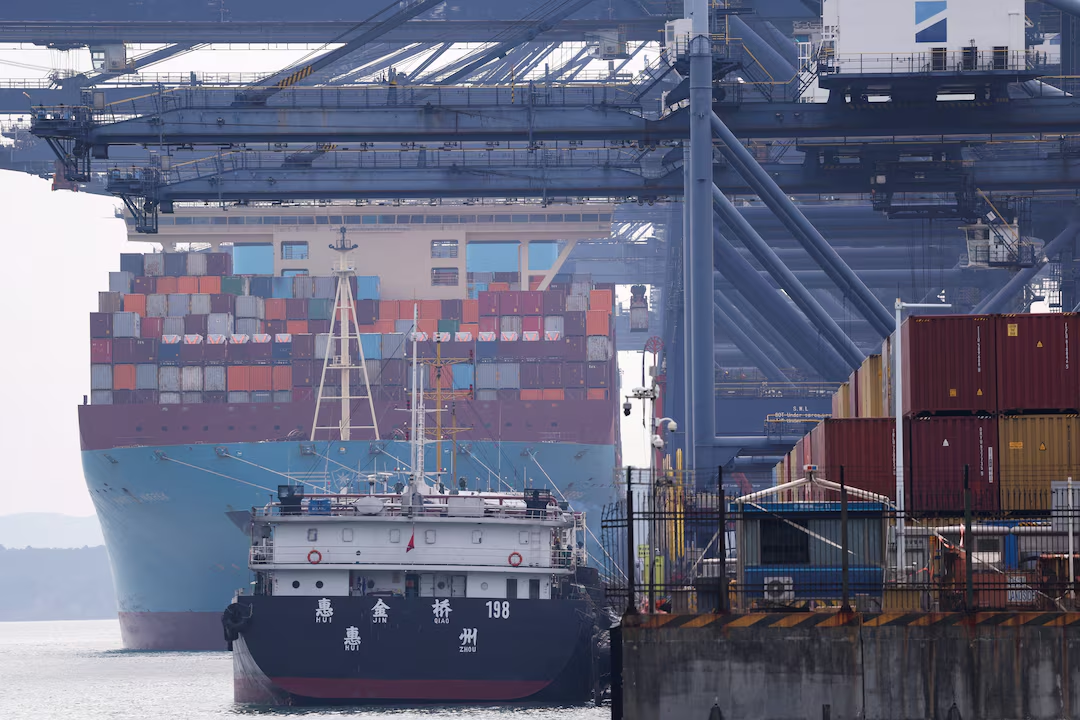
Meanwhile, subdued gas demand, increasing adoption of solar energy and inflexible LNG import arrangements have created a domestic gas surplus, forcing OGDCL to scale back production and prompting Pakistan to divert cargoes from Italy’s ENI and seek revised LNG terms from Qatar.