











































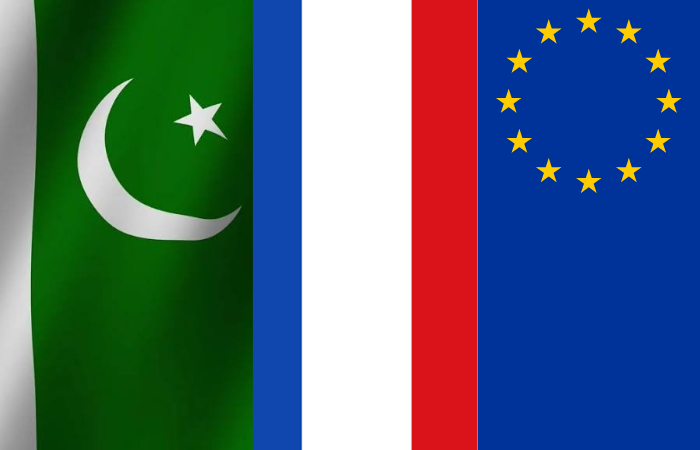
For the past few decades, EU policy towards South Asia has evolved, reshaping its strategic compass. Pakistan, as a major country in the region, has consistently sought mutual collaboration to enhance trade and ensure its goods reach international markets. In this context, the relationship between Pakistan and the Netherlands holds significant potential to strengthen EU-South Asia policy.

The EU’s Indo-Pacific strategy acknowledges Asia’s crucial role in global stability and security. However, the complex dynamics of South Asia highlight the challenges countries face in fostering strong collaboration. Pakistan, with its geo-strategic location, evolving economy, and exposure to security and climate risks, presents a challenging environment for EU engagement.
The Netherlands is a trade-oriented and approachable EU state with a strong Indo-Pacific policy. Reports from Clingendael, an independent Dutch think tank, highlight that the Netherlands promotes result-driven partnerships that integrate trade and people-to-people connectivity. This strategic posture enables the Netherlands to act as a catalyst, translating its bilateral relations with Pakistan into a stabilizing instrument for effective EU policy.
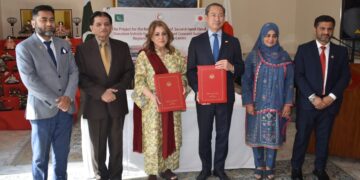
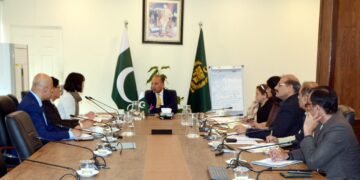
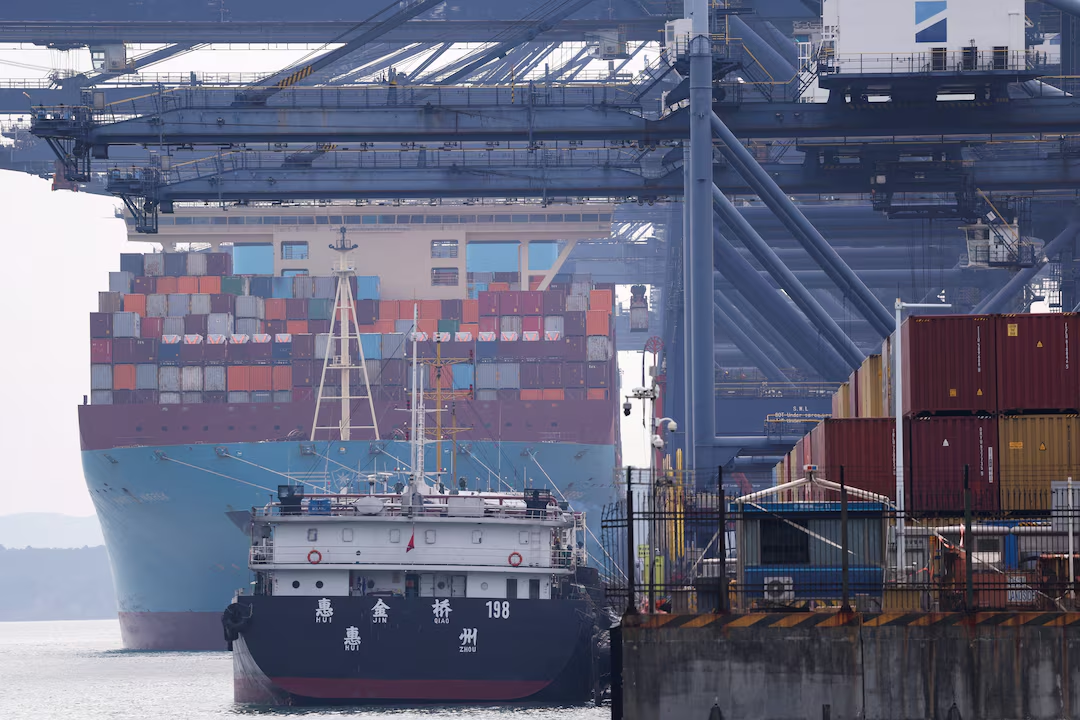
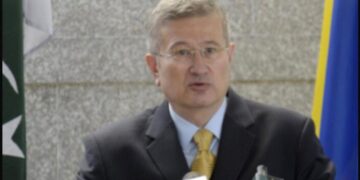
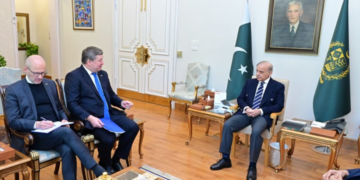
Recent developments between Pakistan and the Netherlands reflect growing potential and mutual respect. In 2025, Dutch Ambassador Robert-Jan Siegert expressed political will to enhance cooperation, emphasizing the Netherlands’ longstanding support across development, trade, and private sector-led initiatives. According to the Pakistan Business Council, Pakistan exported USD 1.60 billion worth of goods to the Netherlands, making it one of the top EU destinations for Pakistani exports.
Pakistan’s inclusion in the EU’s Generalised Scheme of Preferences Plus (GSP+), conditioned on compliance with environmental protection and good governance, provides a structural framework for bilateral engagement. Dutch expertise in addressing climate challenges, fostering agricultural reforms, and advancing technology directly aligns with Pakistan’s development initiatives. This partnership allows both countries to leverage their “soft power” while addressing governance and development gaps.
The Pakistan-Netherlands partnership offers multiple avenues for stabilizing EU policy in South Asia. GSP+ conditionality enables the Netherlands to emphasize governance reforms and environmental protection, aligning Pakistan more closely with EU standards. As a credible EU member, the Netherlands can offer technical support and strategic guidance in navigating complex institutional challenges that hinder EU engagement with Pakistan. Simultaneously, Dutch development initiatives in climate change and economic growth can contribute to Pakistan’s internal stability. Together, these interlinked mechanisms demonstrate a long-term commitment that can strengthen EU policy in the region.
Despite these opportunities, significant challenges remain. Pakistan’s governance deficits and political instability pose risks; engagement without accountability raises concerns about the EU’s structural framework. According to UN High Commissioner for Human Rights Volker Türk, the recent 27th constitutional amendment undermines judicial independence and runs counter to the separation of powers, which is critical to the rule of law and human rights protection in Pakistan. Moreover, India-Pakistan tensions and China’s influence in Pakistan complicate strategic calculations, demanding careful consideration to avoid potential adversarial consequences.
Domestic instability—from political turbulence to economic disparity—also threatens the sustainability of investments and reform initiatives. These factors underscore the need for bilateral cooperation between Pakistan and the Netherlands to be embedded within a cohesive EU strategy for South Asia.
To maximize the potential of Pakistan-Netherlands relations, the EU should focus on areas where Dutch expertise is particularly strong—climate, agriculture, and digital transformation. GSP+ policies should be systematically applied, tied to economic incentives, and linked to measurable progress in human rights and labor protection. Promoting public-private partnerships with Dutch financial institutions can strengthen transparency and accountability. Expanding people-to-people connectivity, including vocational training and academic exchanges, will further enhance institutional capacity. These bilateral initiatives must be integrated into the EU’s strategic framework to achieve its broader objectives in South Asia.
The author is a multimedia journalist and digital strategist associated with Diplomatic Affairs, covering geopolitics, conflict, and human rights. Her work blends investigative reporting with data-driven storytelling, uncovering voices from regions often ignored by mainstream media. She can be reached at aleezashaikh92@gmail.com
Disclaimer: “The views and opinions expressed in this article are solely those of the author and do not necessarily reflect the official policy of any organization.