


























































• Frustration in Indonesia as survivors await aid
• Death toll in Thailand rises to 267
• Sri Lanka’s cyclone survivors face colossal clean-up

TUKKA/BANGKOK/ANGODA (AFP): Officials in Indonesia and Sri Lanka battled to reach survivors of deadly flooding in remote, cut-off regions as the toll in the disaster that hit four countries topped 1,500.
In Indonesia, survivors expressed growing frustration about the slow pace of rescue efforts and aid delivery, as humanitarian groups warned the scale of the challenge was almost unprecedented, even in a country that has faced no shortage of natural disasters.
Monsoon rains paired with two tropical storm systems dumped record deluges across Sri Lanka, and parts of Indonesia’s Sumatra, southern Thailand, and northern Malaysia last week.
World Meteorological Organization (WMO) spokesperson Clare Nullis told reporters in Geneva that Indonesia, the Philippines, Sri Lanka, Thailand, and Viet Nam are among the countries most affected by what she described as “a combination of monsoon-related rainfall and tropical cyclone activity”.
In Indonesia, 770 were confirmed dead, the country’s disaster management agency said on Wednesday, revising the toll down from 812 it announced earlier in the day. Another 463 people are also missing.
Information is only trickling in as many regions remain physically cut off by flood damage, isolated by electricity and communications failures, or both.
“It’s very challenging logistically to respond,” said Ade Soekadis, executive director of aid group Mercy Corps Indonesia.
“The extent of the damage and the size of the affected area are really huge.” The group is hoping to send hygiene equipment and water, both from Jakarta and locally.
He said reports of food and water shortages were already “very concerning” and the situation will be “more problematic as time goes by”.
‘Like an earthquake’
At an evacuation centre in Pandan, 52-year-old Reinaro Waruwu told AFP he was “disappointed” in the government’s immediate response and the slow arrival of aid.
“Some waited a day and night before receiving help, so they couldn’t be saved,” he said, surrounded by evacuees sitting on mats on the floor in the hall-turned-shelter.
“I am frustrated; it doesn’t need to be said twice,” he added.
He described the floodwaters and landslides as unprecedented.
“It came like an earthquake… I thought ‘Well, if I am going to die, then so be it,’” he said, beginning to sob heavily.
Traumatised, he could not even eat on arrival, and food has only been patchily available, though vegetables arriving on Tuesday offered a “semblance of hope”, he said.
Sri Lanka ‘open’ for tourists
Though floods are common in Asia during the monsoon season, climate change is making heavy rain events more frequent because a warmer atmosphere holds more moisture.
Warmer oceans can also turbocharge storm systems.
A separate weather system, Cyclone Ditwah, brought torrential rain and deadly floods and landslides to much of Sri Lanka last week.
Officials said laws that allow a person to be declared dead only after being missing for six months could be shortened to expedite the issuance of death certificates.
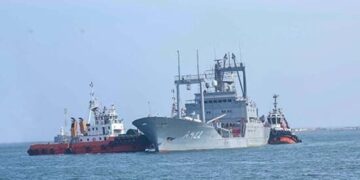
Despite the disaster, the tourism-reliant country welcomed a luxury cruiseliner to Colombo port on Tuesday, authorities said.
Meanwhile, the death toll from severe flooding in southern Thailand last month rose to 267, a Health Ministry spokesman said on Wednesday.
Heavy rain and flooding inundated the country’s south late last month, killing at least 267 people across eight provinces from November 22-27, with more than half — 142 — recorded in tourist hub Hat Yai district, spokesman Ekachai Piensriwatchara said.
Colossal clean-up
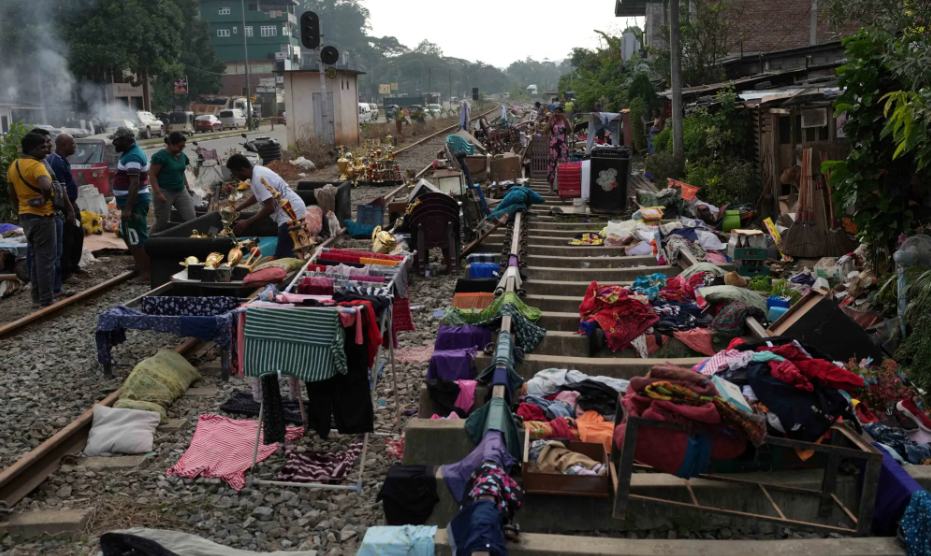
Survivors of Cyclone Ditwah, which has ravaged Sri Lanka in recent days, began returning to their devastated homes on Wednesday, faced with a massive clean-up as they start rebuilding their lives.
The powerful storm brought record rains that triggered landslides and floods across the island country, killing at least 474 people, according to disaster officials, with another 366 still unaccounted for.
Soma Wanniarachchi, 69, had stayed behind as long as she could, “but when the water level reached about eight feet (2.5 metres), I decided to leave,” she said.
Back in her village of Kotuwila, near the capital Colombo, she was shocked to see the damage to her catering equipment rental business.
Chafing dishes and woks have disappeared, and “my stainless steel utensils are now probably in the Indian Ocean,” she said.
“At least three buffet sets have gone,” added the business owner, who has asked neighbours for help with the daunting clean-up.
Inside the house, there was still about a foot of floodwater.
The government said it was increasing clean-up assistance, giving each household 25,000 rupees ($83) due to the scale of the devastation.
Following previous floods, the standard government allowance was 10,000 rupees.
Prabath Chandrakeerthi, Sri Lanka’s commissioner general for essential services and the top official in charge of recovery, said authorities were also handing out up to 2.5 million rupees for rebuilding homes.
“Our initial estimate is that we will need about six to seven billion dollars for the reconstruction,” Chandrakeerthi told reporters.
Some of the worst-affected areas in the central hills, hit by deadly landslides, remain inaccessible, and authorities were working to clear roads and restore communications.