













































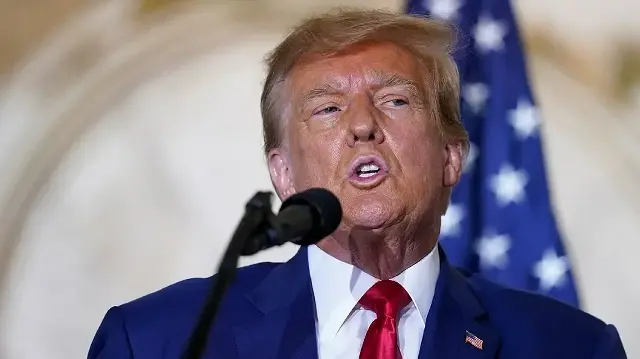
Web Desk (MNN); Sharp divisions surfaced on Wednesday over US President Donald Trump’s proposed Board of Peace as its scope expanded beyond Gaza, with several Western European nations declining to join, others remaining undecided, while a group of Muslim-majority countries agreed to become members.

The mixed response highlights growing European unease over the board’s widening mandate, with critics warning it could challenge or dilute the role of the United Nations Security Council in resolving international conflicts. Trump is seeking to formally launch the board this week on the sidelines of the World Economic Forum in Davos.
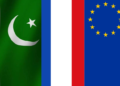
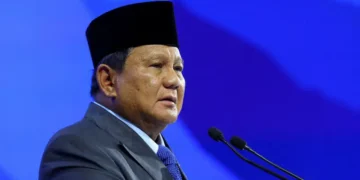
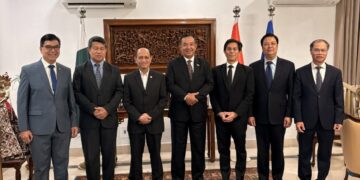
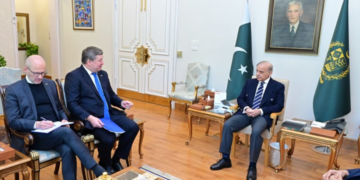
Norway and Sweden announced they would not accept the invitation, following France’s earlier refusal. In contrast, Egypt, Indonesia, Jordan, Pakistan, Qatar, Saudi Arabia and the United Arab Emirates said in a joint statement that their leaders would join the initiative.
The final number of participating countries remains unclear. A White House official said around 30 states were expected to sign on, while about 50 had received invitations. Other US officials said nearly 60 countries were invited, but only 18 had confirmed participation so far.
Trump struck an optimistic tone ahead of a board-related event, saying most invited countries were eager to join, though some required parliamentary approval. He also defended inviting leaders often labelled as autocratic, arguing that they possessed real influence and the ability to deliver results.
Initially envisioned as a small group overseeing the Gaza ceasefire, the board’s role has since expanded, with Trump suggesting it could mediate other global conflicts as well.
Israeli Prime Minister Benjamin Netanyahu confirmed his decision to join the board, marking a shift from earlier criticism of similar Gaza oversight mechanisms. However, the move may deepen tensions within his far-right coalition, as some allies have opposed the board’s concept.
European leaders voiced reservations, citing the board’s broad mandate and potential impact on the UN-led international order. France reiterated support for Trump’s Gaza peace plan but rejected any structure that could replace the United Nations.
Several major global players, including the UK, Canada, Russia, Ukraine, China and the European Union, have yet to clarify their positions. Asked whether the board could replace the UN, Trump said such a possibility existed.