




























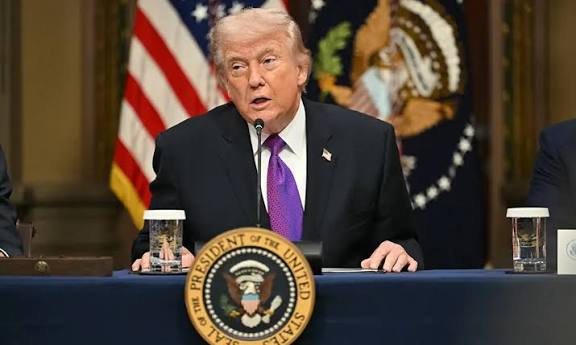
News Desk (MNN); United States President Donald Trump said Monday that “numerous countries” have informed him they are preparing to join a proposed international naval coalition aimed at securing the Strait of Hormuz, as tensions from the US-Israel war with Iran continue to shake global energy markets and geopolitical stability.

Trump made the remarks after urging several nations to contribute naval forces to protect oil tanker traffic through the strategic waterway, though he declined to name the countries that had allegedly agreed to participate. According to the US president, formal details of the coalition will be announced soon by US Secretary of State Marco Rubio.
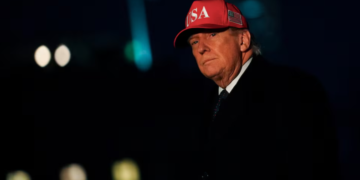
“Numerous countries have told me they’re on the way. Some are very enthusiastic about it, and some aren’t,” Trump told reporters at the White House. When pressed to identify the countries involved, he said he preferred not to disclose them yet.
“They’ve already started to — it takes a little while to get there,” Trump added. “In some cases, you have to travel an ocean. So it doesn’t go that fast, but it’ll go fast. And we have some that are fairly local that are doing it.”
The push for a coalition comes after Trump relied largely on his own instincts rather than extensive diplomatic coordination when approving US strikes on Iran alongside Israel. Now, as the economic and strategic consequences of the conflict unfold rapidly, Washington is urging allies and other global powers to help stabilize the situation.
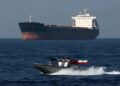
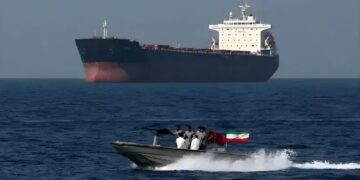
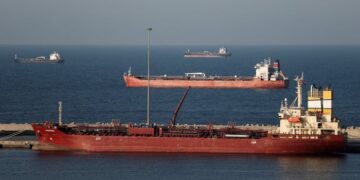
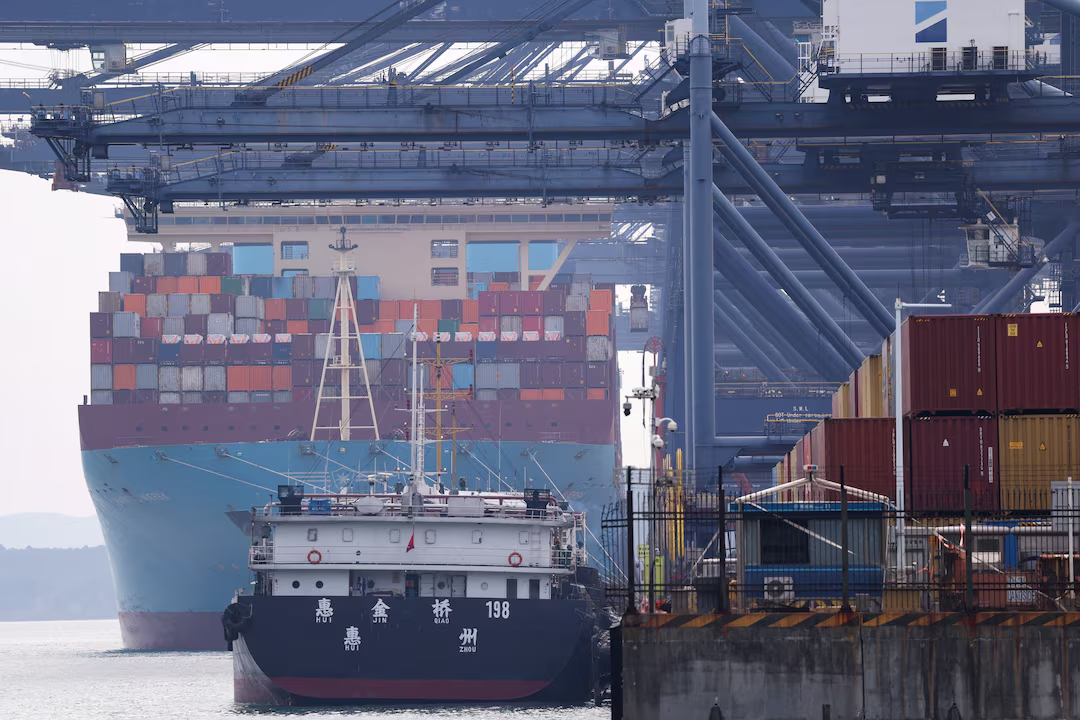
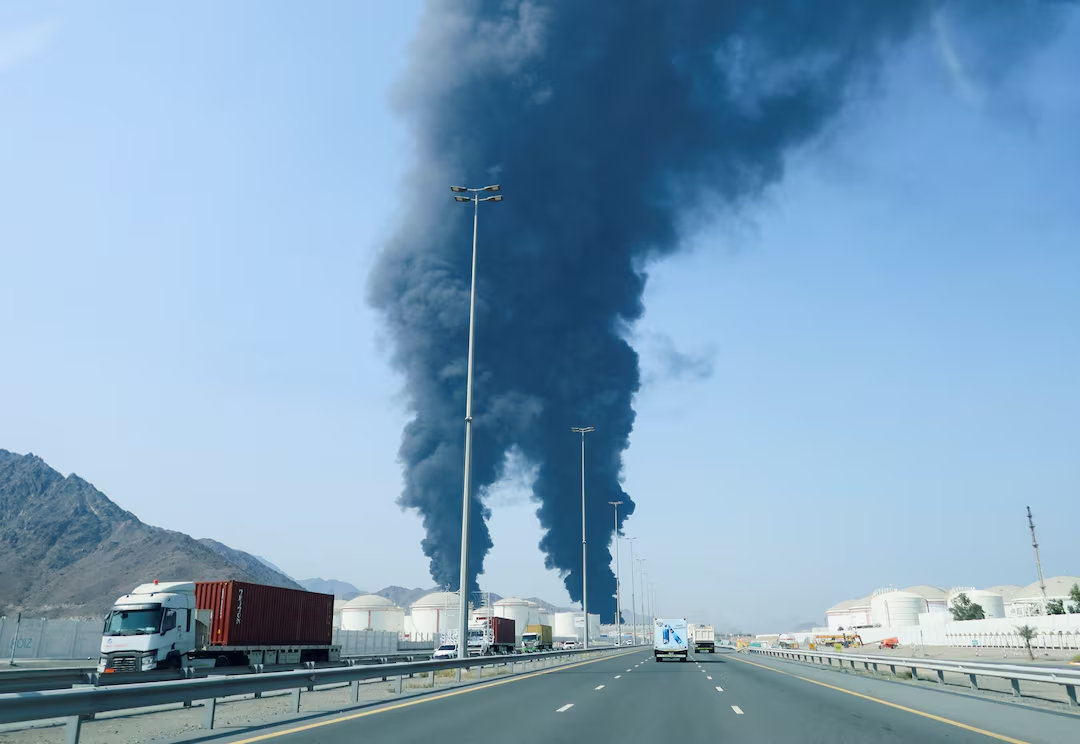
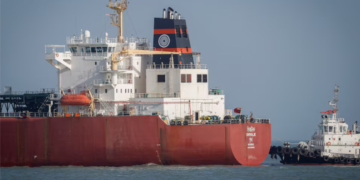
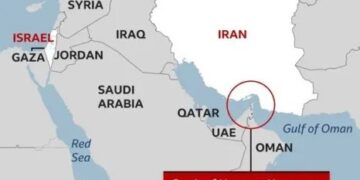
Central to these efforts is the Strait of Hormuz, a narrow maritime corridor separating Iran from the Arabian Peninsula and linking the Persian Gulf with the Gulf of Oman. The strait carries roughly 20 to 30 percent of the world’s oil consumption and nearly one-fifth of globally traded crude oil, making it one of the most critical shipping routes for energy supplies.
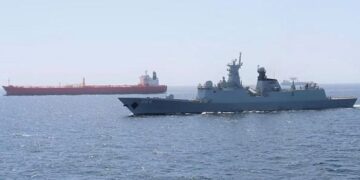
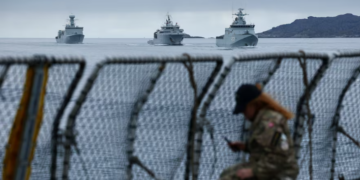
Trump initially said the US Navy would escort oil tankers through the waterway but has since appealed for broader international involvement. Over the weekend, he specifically called on China, France, Japan, South Korea and the United Kingdom to contribute naval vessels. He also urged NATO members and other oil-importing nations to participate in safeguarding the route.
However, despite Trump’s claims that several countries are preparing to join the mission, no government has yet publicly confirmed its involvement.
On the contrary, a number of nations have openly rejected the idea of sending military ships. Australia, Japan, Poland, Sweden and Spain have all indicated that they have no plans to deploy naval forces to the region.
Several European leaders reiterated their reluctance on Monday. Germany’s Defence Minister Boris Pistorius stated that Berlin would not participate militarily but remained open to supporting diplomatic initiatives aimed at easing tensions.
South Korea and the United Kingdom said they were still reviewing the situation. British Prime Minister Keir Starmer confirmed that London was discussing possible contributions such as mine-hunting drones already stationed in the region but stressed that Britain would avoid becoming entangled in the broader conflict.
France appeared somewhat more receptive, suggesting it might consider helping escort ships if circumstances require.
Trump, meanwhile, expressed frustration with countries that have declined to support the initiative, noting that some of them have long benefited from American military protection.
“Some are countries that we’ve helped for many, many years. We’ve protected them from horrible outside sources, and they weren’t that enthusiastic,” Trump said.
Without naming the country, he described a situation in which a nation hosting thousands of US troops declined to provide assistance.
“We have some countries where we have 45,000 soldiers protecting them from harm’s way,” he said. “And we ask, do you have any mine sweepers? And they say they would rather not get involved.”
The White House has continued to defend the pressure campaign. Press Secretary Karoline Leavitt argued that securing the Strait of Hormuz is not just an American priority but a global necessity given the international dependence on oil shipments passing through the corridor.
Meanwhile, the conflict has already triggered sharp economic consequences. Global oil prices have surged between 40 and 50 percent amid repeated Iranian attacks on vessels operating near the strait, raising concerns about fuel costs and inflation across multiple economies.
The surge comes at a sensitive time for the United States as the midterm election season begins to approach. Rising gasoline prices could pose a political challenge for the Trump administration despite its claims that America’s domestic energy production provides some insulation from the crisis.
US Treasury Secretary Scott Bessent has attempted to downplay the economic fallout, insisting that markets will stabilize once the conflict subsides.
However, economists warn that disruptions in the Strait of Hormuz could have widespread consequences for the global economy. Many major Asian economies, particularly China, Japan and South Korea, rely heavily on oil shipments passing through the waterway.
China’s economy may be especially vulnerable. Beijing recently lowered its economic growth target for 2026 to between 4.5 percent and 5 percent — the slowest projected growth rate since 1991 — meaning prolonged disruptions to oil supplies could further complicate its recovery.
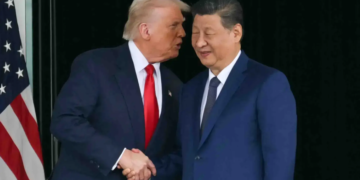
Diplomatic tensions are also affecting relations between Washington and Beijing. Trump indicated in a recent interview that he might delay his planned late-March visit to China if Beijing refuses to assist with efforts to secure the strait. US officials later suggested any change in travel plans would likely be due to logistical reasons.
Despite the uncertainty, Trump has continued to argue that the United States ultimately retains the ability to handle the situation on its own if necessary.
“We’re the strongest nation in the world,” he said.
Yet with global oil markets under pressure and the Middle East conflict showing no immediate signs of easing, the success of Washington’s call for an international coalition to protect one of the world’s most vital energy corridors remains uncertain.