










































SURIN, Thailand (AP) — Cambodia’s Senate President Hun Sen vowed to fiercely resist Thailand as a second day of heavy fighting between the two countries on Tuesday forced tens of thousands of people to flee border areas. The renewed clashes followed a Sunday skirmish that injured two Thai soldiers and disrupted a ceasefire pushed by U.S. President Donald Trump, which had ended five days of fighting in July. That earlier round of violence killed dozens on both sides and displaced more than 100,000 civilians.

Thai Prime Minister Anutin Charnvirakul said Cambodia had not contacted Thailand for negotiations, adding that military operations would continue as planned. He said the action was necessary to protect national sovereignty and public safety. Hun Sen, in statements on Facebook and Telegram, claimed Cambodia initially refrained from retaliating on Monday but began firing back overnight to defend its territory. Although he stepped down as prime minister in 2023, Hun Sen is still widely considered Cambodia’s dominant political figure.
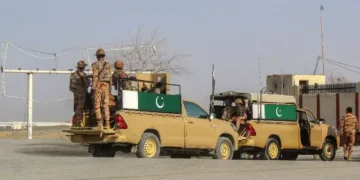
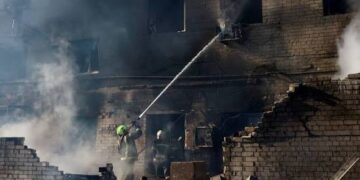
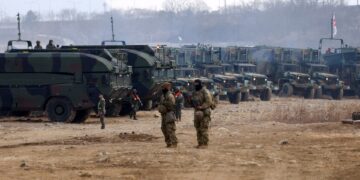
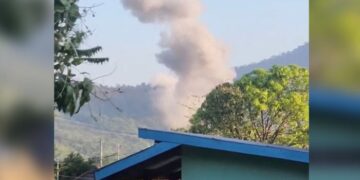
Thailand’s military accused Cambodia of attacking its positions with artillery, rockets and drones, while Cambodia said its civilians were bearing the brunt of the violence. Cambodian officials reported seven civilian deaths and 20 injuries, while Thailand said three soldiers had been killed. Thailand also carried out airstrikes along the frontier, describing them as defensive operations against military installations. Thai officials said such measures would continue “until attacks stop.”
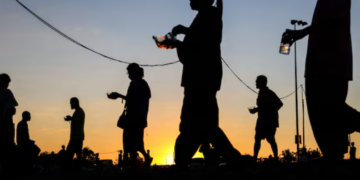
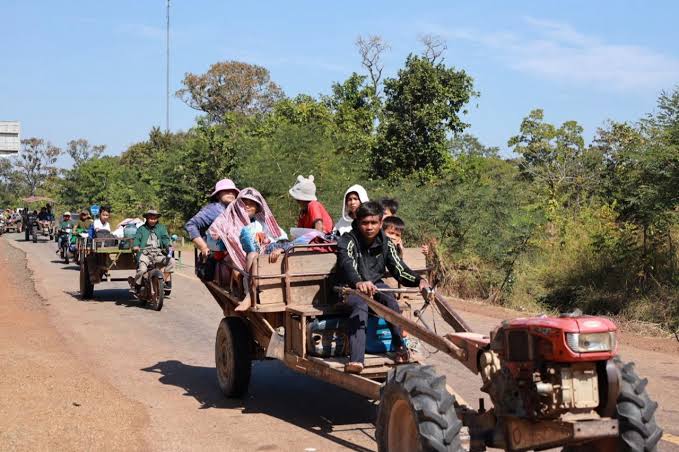
The escalating conflict has displaced large numbers of civilians. In Thailand’s Surin province, more than 3,600 evacuees took shelter at a university, where temporary tents, food services and even an army band were arranged. Residents said they fled in panic as soon as shelling began. Thailand’s army said nearly 500 shelters across four border provinces were housing more than 125,000 people. Similar scenes unfolded in Cambodia, where tens of thousands have also fled. Many evacuees described running for safety after explosions rang out near homes and workplaces. Cambodia’s Information Minister Neth Pheaktra said nearly 55,000 people had been relocated.
The two nations have a long history of conflict, dating back centuries, with occasional flare-ups along their 800-kilometer border. Some disputed areas include historic temples claimed by both sides. Cambodia accused Thai forces of damaging the Ta Krabey temple on Tuesday, while Thailand countered that Cambodian forces had launched rocket attacks into Surin province. Neither claim could be independently verified.
The July ceasefire was brokered by Malaysia with strong pressure from Trump, who had threatened to halt trade benefits unless both countries agreed. Speaking at a political event in Pennsylvania on Tuesday, Trump said he would intervene again to help stop the renewed violence. U.S. Secretary of State Marco Rubio urged both sides to honor their commitments, including removing heavy weapons and addressing land mines, though little progress has been made.
Ongoing disputes over prisoners and land mines have further strained relations. Cambodia says Thailand continues to hold 18 prisoners taken on the day the ceasefire was reached, while Thailand claims they acted threateningly. Thailand has also accused Cambodia of planting new land mines in disputed areas, injuring its soldiers. Cambodia denies this, saying leftover mines from its civil war are still being discovered. Earlier this month, Thailand said it would pause implementation of the ceasefire until Cambodia apologized for the incidents.
This version corrects earlier reporting to clarify that two Thai soldiers were injured in Sunday’s skirmish and that Trump made his latest remarks in Pennsylvania, not Washington.