








































































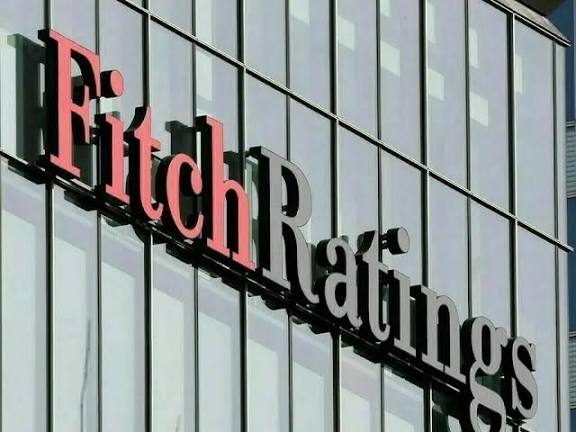
ISLAMABAD: Fitch Ratings on reaffirmed Pakistan’s long-term sovereign debt rating at ‘B-’, maintaining the level it upgraded to in April 2025, and assigned a Recovery Rating of ‘RR4’ after removing the country from Under Criteria Observation (UCO).

In a statement issued from its Hong Kong office, the global ratings agency said the decision reflects the application of its new Sovereign Rating Criteria, effective from September 2025. The update also marks Fitch’s first incorporation of recovery assumptions into sovereign debt ratings.The assigned ‘RR4’ recovery rating indicates an average expectation of recovery in the event of a default. Fitch’s recovery scale ranges from ‘RR1’ (outstanding recovery) to ‘RR6’ (poor recovery).
Fitch equalised Pakistan’s senior unsecured long-term debt ratings — including those of The Pakistan Global Sukuk Programme Company Ltd — with the country’s Long-Term Foreign-Currency Issuer Default Rating (IDR). The agency cited Pakistan’s high government debt levels, elevated interest payments relative to revenue, and the absence of mitigating factors that would justify adjusting the debt rating above or below the IDR.
Pakistan’s Long-Term Foreign-Currency IDR was upgraded to ‘B-’ with a stable outlook on April 15, 2025, from ‘CCC+’. Fitch also assigned Pakistan an ESG Relevance Score of ‘5’ for political stability, rights, rule of law, institutional strength, regulatory quality, and control of corruption — scores applied uniformly across sovereigns due to the significant weight of World Bank Governance Indicators in the agency’s rating model. Pakistan currently ranks at the 22nd percentile on these indicators.
The agency cautioned that the ratings could face downward pressure if Pakistan fails to place government debt and debt-servicing metrics on a sustained declining trajectory, or if external liquidity conditions worsen — particularly due to delays in IMF programme reviews or weaker economic policy discipline.
Conversely, Fitch said an upgrade could be triggered by substantial reductions in public debt and debt-servicing costs, effective fiscal consolidation in line with IMF commitments, structural improvements in tax revenue mobilisation, and a durable strengthening of external financing conditions, including a sustained buildup of foreign exchange reserves beyond current projections.