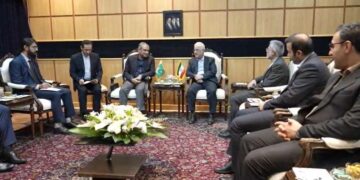
















































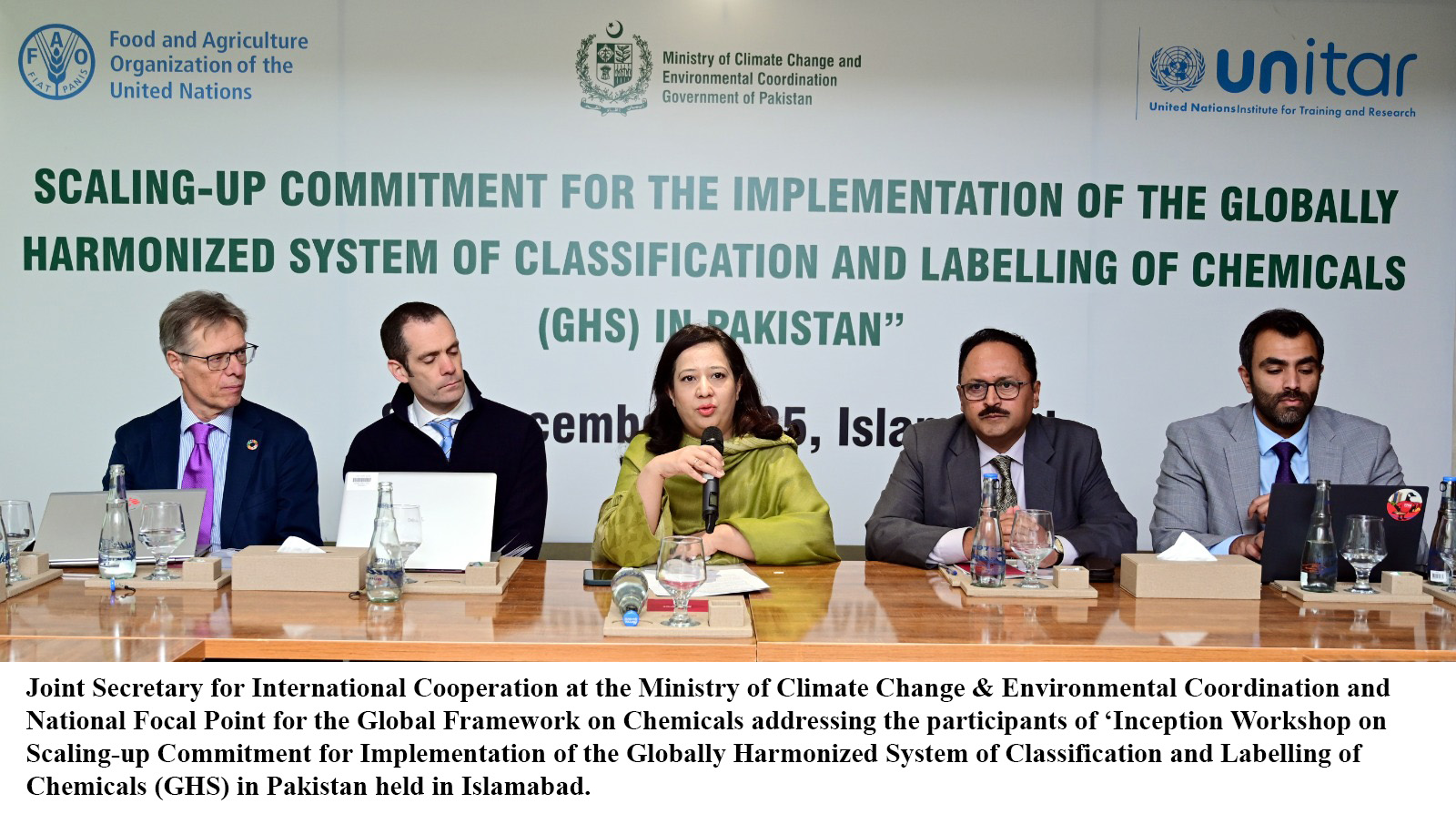
Islamabad, December 10, 2025 — Pakistan is intensifying efforts to ensure the safe management of chemicals, enhance national chemical governance, and promote the secure handling of hazardous substances, said Nazia Zeb Ali, Joint Secretary (International Cooperation) at the Ministry of Climate Change and Environmental Coordination, on Wednesday.

Speaking at the inaugural session of the Capacity-Building Inception Workshop on the expansion of the Globally Harmonized System of Classification and Labeling of Chemicals (GHS), Nazia Zeb Ali, who also serves as Pakistan’s National Focal Point for the Global Framework on Chemicals, emphasized the government’s commitment to fulfilling national and international environmental obligations under conventions such as Basel, Rotterdam, Stockholm, Minamata, Vienna, and Montreal.
“These conventions operate through international cooperation and effective regulation to protect human health and the environment from hazardous chemicals and pollution,” she said. She highlighted that GHS is a globally recognized system that provides standardized and clear information on chemical hazards through labels, pictograms, and safety data sheets, ensuring workers, consumers, and local communities have access to accurate and uniform information about chemical risks.
Nazia Zeb Ali noted that Pakistan has already undertaken several key initiatives at the national level, including the National Hazardous Waste Management Policy 2022 and its Implementation Plan. Future initiatives include the proposed National Chemicals Management Policy, Chemicals Control Act, and the establishment of a dedicated directorate for hazardous chemicals and waste.“These efforts reflect Pakistan’s commitment to safeguarding human health and the environment from the adverse impacts of chemicals for present and future generations,” she added.
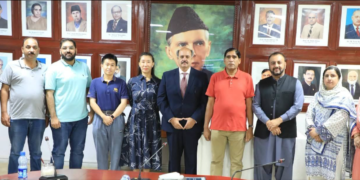
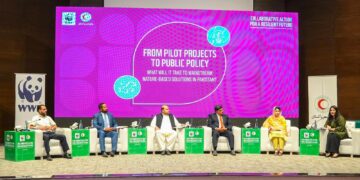
The workshop, organized by UNITAR in collaboration with UN agencies and the Ministry of Climate Change and Environmental Coordination, aims to review existing laws related to GHS, provide technical training, assess requirements across agriculture, workplaces, and consumer products, and initiate the development of a national roadmap outlining responsibilities, goals, and capacity-building needs.
Oliver Wootten, Senior Program Specialist at UNITAR, stated, “GHS forms the foundation for the safe use of chemicals.
Providing clear hazard information through labels and safety data sheets ensures chemicals are used safely, protecting human health and the environment.”Officials noted that these measures will improve chemical management across supply chains, enhance workplace safety, support compliance with international standards, and contribute to Pakistan’s sustainable development goals.
The Ministry expressed appreciation for UNITAR’s ongoing partnership and thanked all stakeholders working to establish a safe and harmonized chemical management system in the country. Environmental and climate policy expert and ministry spokesperson Muhammad Saleem Sheikh emphasized that public and institutional awareness is critical for effective implementation of GHS and other international chemical conventions. “Informed workers, farmers, industry staff, and regulators are central to reducing chemical risks.
Greater awareness, clear labeling, and adherence to global safety standards are essential to prevent accidents and protect communities,” he said. He added that conventions like Basel, Rotterdam, Stockholm, Minamata, Vienna, and Montreal provide Pakistan with globally recognized frameworks to improve chemical governance and minimize environmental and public health impacts.
“Effective access, comprehensive risk communication, and nationwide capacity building are crucial for enhancing chemical safety in workplaces, agriculture, and consumer markets. Without increased awareness and public understanding, addressing chemical-related challenges and preventing environmental pollution will be difficult,” Muhammad Saleem Sheikh concluded.