




















































GENEVA: An independent fact-finding mission mandated by the United Nations has concluded that the siege and capture of El-Fasher by Sudan’s paramilitary Rapid Support Forces (RSF) bear the “hallmarks of genocide.”

According to the mission’s findings, the RSF’s seizure of El-Fasher in Darfur state in October followed an 18-month siege and resulted in what investigators described as “three days of absolute horror.”
The report urged that those responsible for the atrocities be held accountable. The mission warned that urgent civilian protection is now critically needed in neighbouring Kordofan state, which has become a new flashpoint following the RSF’s takeover of El-Fasher. The assault on the city was reportedly marked by ethnic massacres, widespread sexual violence and arbitrary detentions.
Mission chairman Mohamad Chande Othman stated that the scale, coordination and public endorsement of the operation by senior RSF leadership showed the crimes were not isolated acts of war.“They formed part of a planned and organised operation that bears the defining characteristics of genocide,” he said. Fighting between Sudan’s army and the RSF has been ongoing since April 2023, leaving tens of thousands dead and forcing around 11 million people from their homes. The conflict has created one of the world’s worst humanitarian crises, according to the UN. The UN Human Rights Council established the Independent International Fact-Finding Mission for the Sudan in October 2023 to collect evidence of human rights violations.
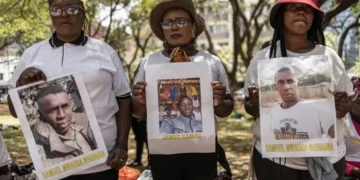
The mission’s investigation into El-Fasher found that thousands of civilians — particularly from the Zaghawa ethnic group — were killed, raped or forcibly disappeared. The Zaghawa are one of the largest non-Arab ethnic communities in the region. Investigators conducted interviews with 320 witnesses and victims from El-Fasher and nearby areas, including during visits to Chad and South Sudan. The team also authenticated and verified 25 videos documenting the violence.
Survivors reported indiscriminate shootings, mass executions at exit points, and roads littered with the bodies of men, women and children. The report detailed cases of detention, torture, humiliation, extortion, ransom demands and enforced disappearances.
Widespread sexual violence was reportedly directed at women and girls from non-Arab communities, especially the Zaghawa. Women and girls between the ages of seven and 70, including pregnant women, were subjected to rape, often in front of family members.
Investigators noted that the sexual violence was frequently accompanied by extreme physical brutality.The mission called for immediate international action to protect civilians and ensure accountability for those responsible.