
























































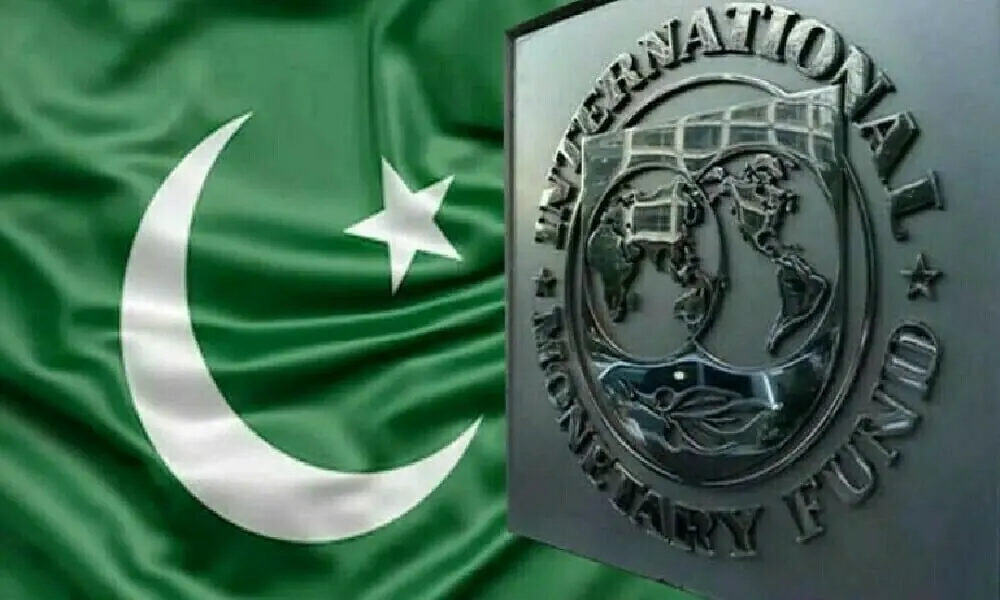
ISLAMABAD: Pakistan’s policy measures under the International Monetary Fund (IMF) Extended Fund Facility (EFF) have helped stabilise the economy and restore investor confidence, the Fund’s spokesperson said on Thursday.

IMF Communications Director Julie Kozack made the remarks during a weekly press briefing while responding to a question about Pakistan’s progress under the programme.“Pakistan’s policy efforts under the EFF have helped stabilise the economy and rebuild confidence,” she said, adding that the country’s fiscal performance has remained strong.
According to Kozack, Pakistan has posted a primary fiscal surplus of 1.3 per cent of gross domestic product (GDP), which is in line with programme targets. She noted that headline inflation has remained relatively contained and that Pakistan recorded its first current account surplus in 14 years during fiscal year 2024-25.
The IMF official also confirmed that a Fund staff team is scheduled to visit Pakistan from February 25 to hold discussions on the third review under the EFF and the second review under the Resilience and Sustainability Facility (RSF).
Separately, an IMF mission led by Iva Petrova is expected to review the implementation of the $7 billion EFF and the $1.1 billion RSF programmes. The nearly two-week visit, concluding on March 11, will include discussions on budget proposals for fiscal year 2026-27, particularly regarding provincial finances.
The programme’s performance as of end-December 2025 — the review period — has largely remained on track, though authorities reported a revenue shortfall. Officials believe the gap could narrow following a recent super tax ruling by the Federal Constitutional Court in the government’s favour.
Upon successful completion of the review, Pakistan will become eligible for the disbursement of approximately $1 billion (about 760 million Special Drawing Rights) under the EFF, along with an additional $200 million under the RSF by the end of April.
The EFF is a longer-term IMF lending programme aimed at helping countries address structural economic weaknesses and medium-term balance-of-payments challenges.